
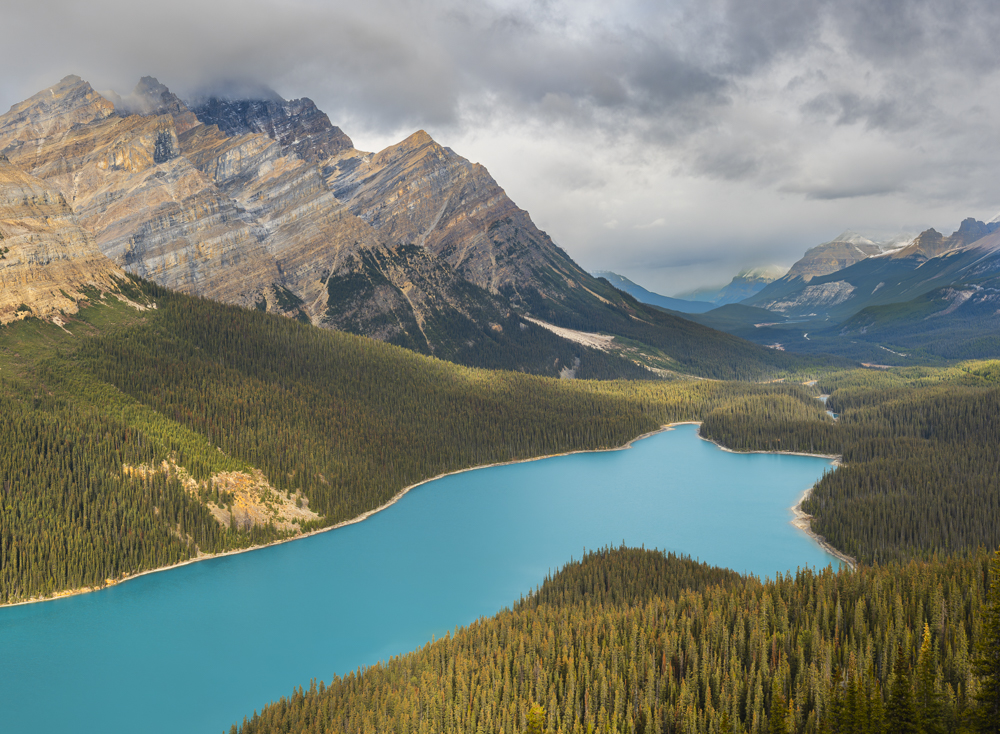
A Bird’s Eye View of a Classical Glacial Lake
Peyto Lake: The Spirit of the Canadian Rockies
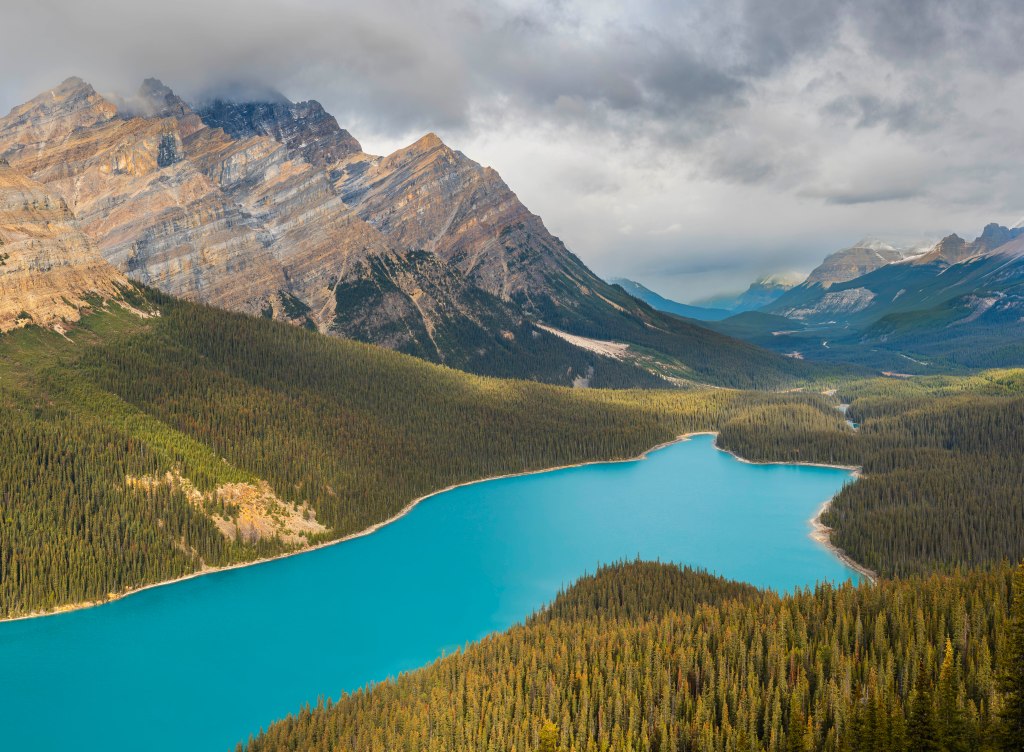
Nestled in the heart of the Canadian Rockies, Peyto Lake offers photographers and adventurers a breathtaking vantage point with minimal hiking effort. Renowned for its vibrant turquoise waters—colored by glacial rock flour from the Wapta Icefield—this lake is a must-see for anyone seeking iconic alpine landscapes. The eastern end of the lake, reminiscent of a wolf’s head, inspired my nickname for Peyto: The Wolf Spirit. I can imagine that the spirit of a noble wolf was captured during the lake’s formation, adding a mystical allure to its natural beauty. Named after Bill Peyto, a pioneering trail guide and trapper in Banff, the lake is conveniently located just over an hour’s drive from the Icefields Parkway entrance.
Getting There & The Hike
The journey begins at the parking area, with a short but occasionally steep 700-meter hike to the summit. For those seeking an easier ascent, a junction halfway up offers a slightly longer, less steep path (turn left at the junction for this option). Upon reaching the summit, visitors are rewarded with panoramic views of the lake and surrounding mountains. Parks Canada’s newly constructed viewing platform ensures unobstructed vistas, though by late afternoon, the sun dips behind the Rockies, leaving Peyto Lake and its valley in gentle shadow.
Best Time for Photography
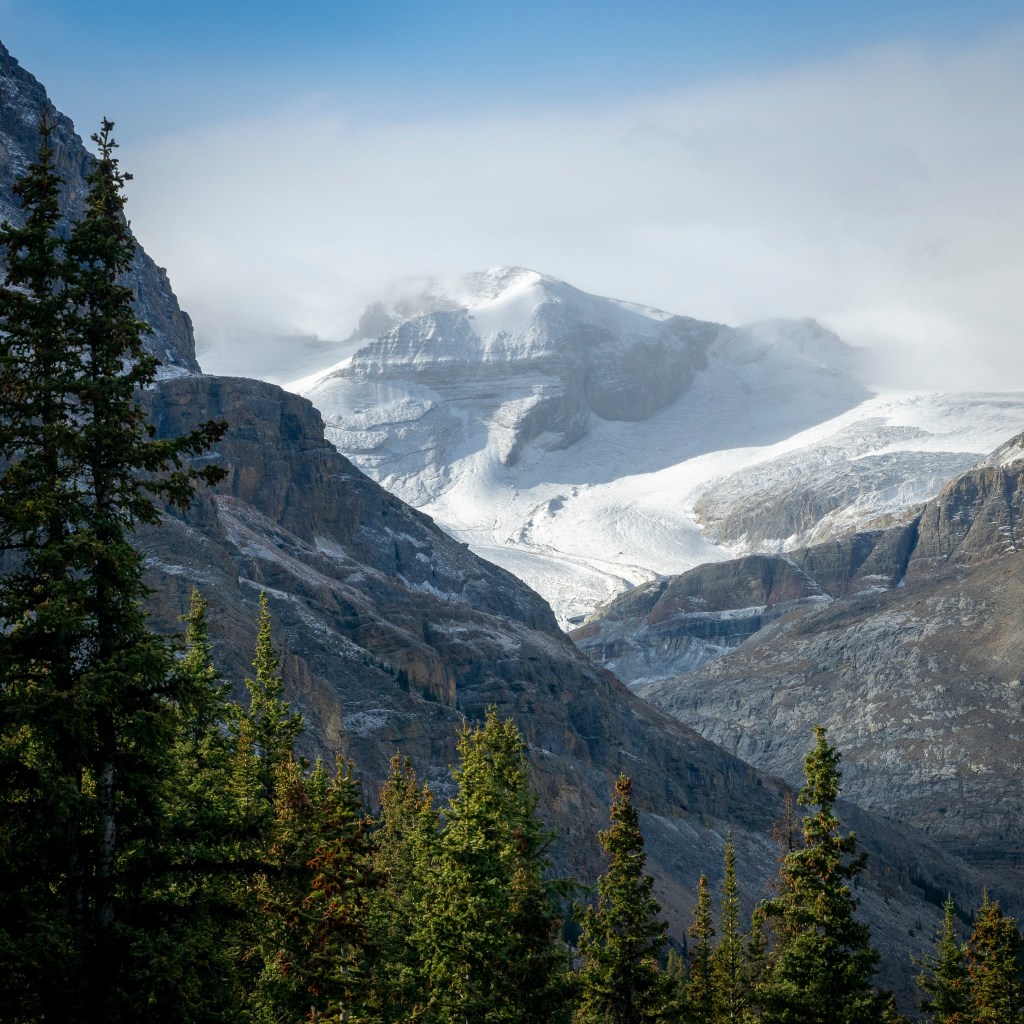
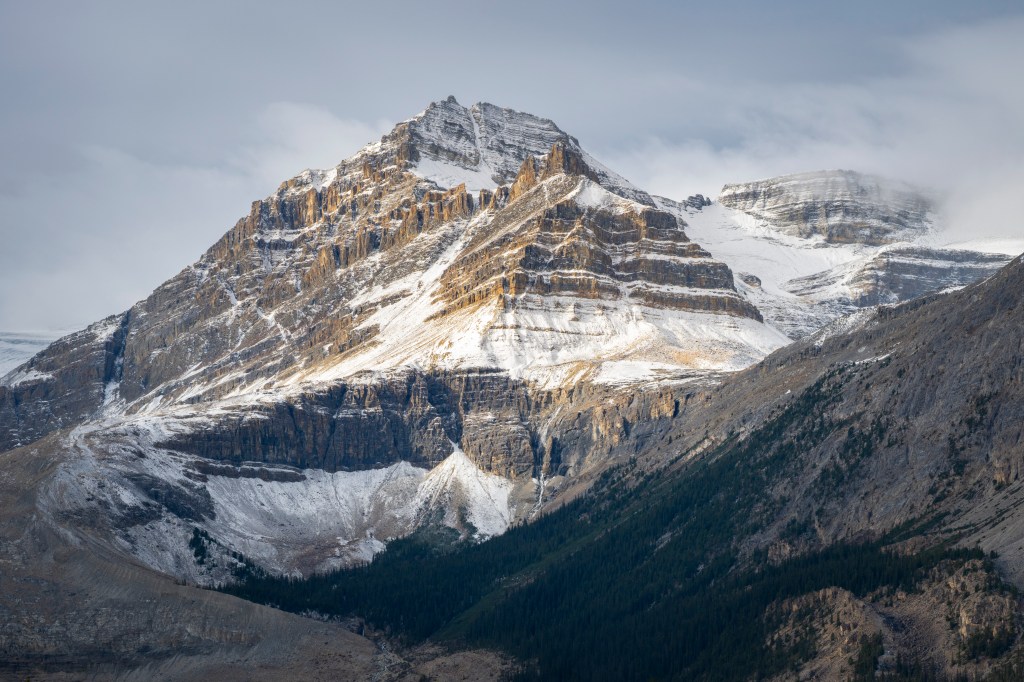
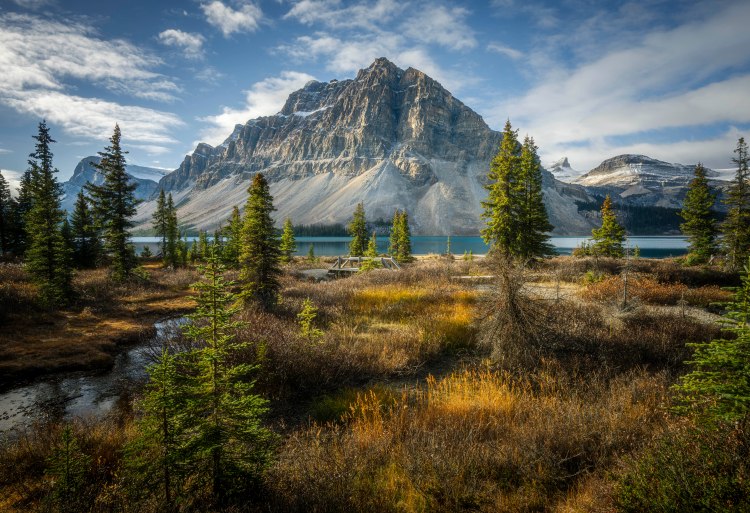
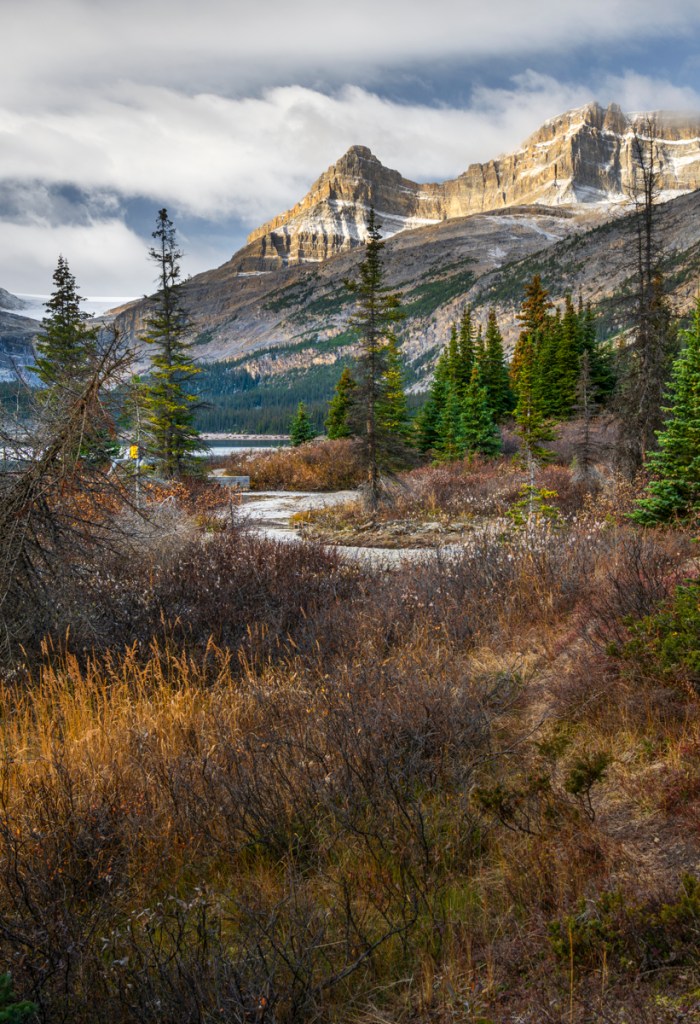
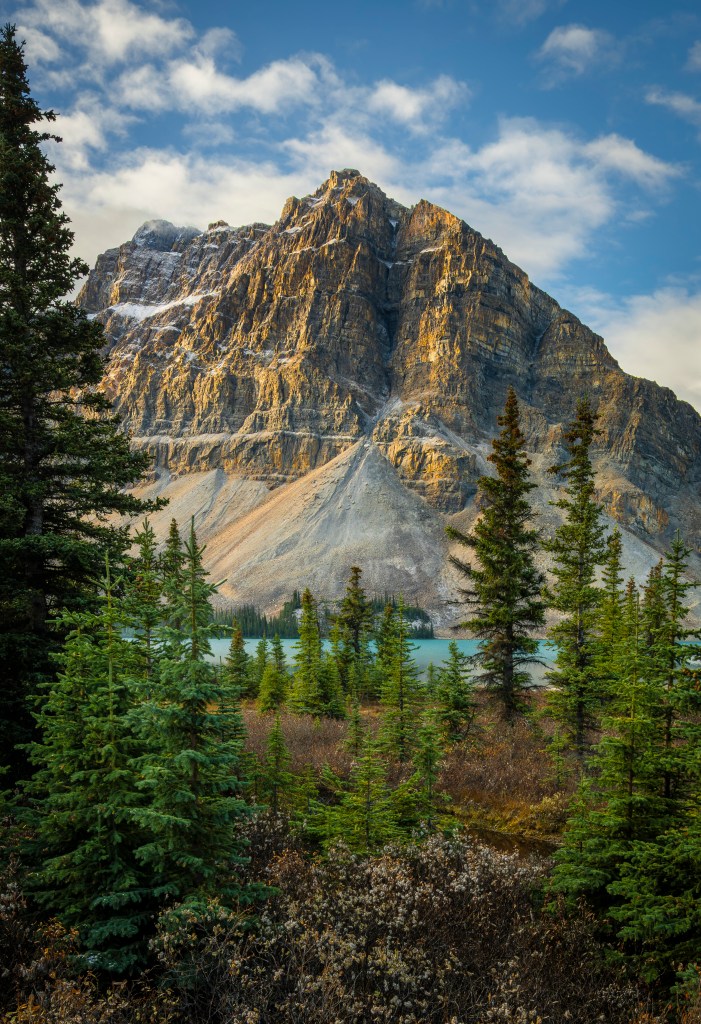
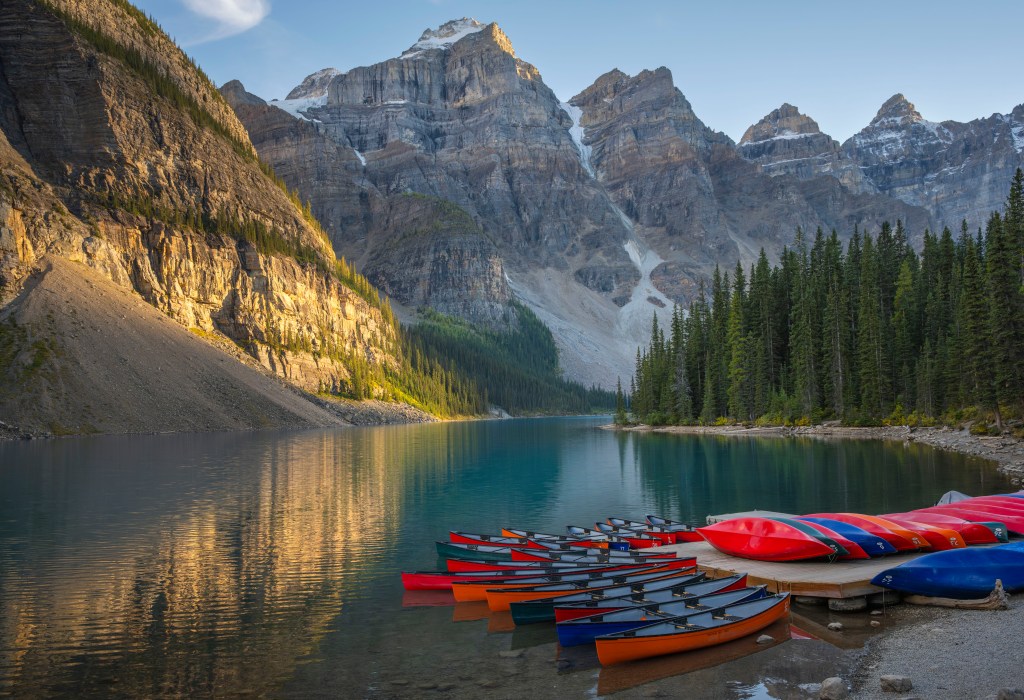
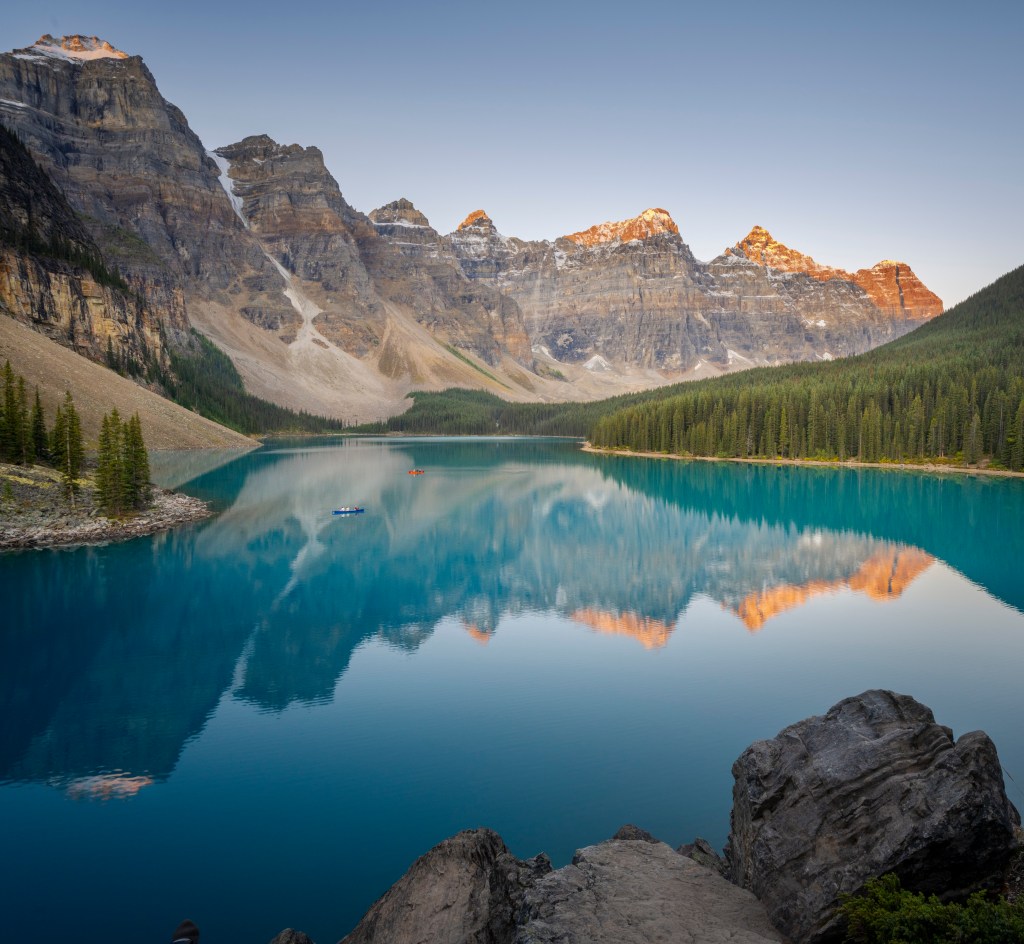
Peyto Lake is a very popular tourist stop, and the viewing platform can become crowded, especially during midday. For photographers, sunrise is the optimal time to capture the lake’s colors and tranquility, however midday shots can still yield impressive results. Even if they are not award-winning, they are certainly memorable. The images above were all taken around mid-day.
Photography Tips
- Lens Selection: Bring both a wide-angle and a moderate telephoto lens (up to 120mm) to capture sweeping panoramas and intimate details of the lake and valley.
- Tripod Advice: Unless you’re planning a sunrise shoot or a multi-shot panorama, leave the tripod in the car. The platform’s crowds make setting up a tripod very challenging. Besides you will appreciate the lighter weight given the hike’s incline.
- Polarizer Use: Exercise caution with polarizers, especially on wide-angle lenses. While they can enhance the lake’s color, they may also distort the sky’s palette which will be hard to correct in post.
- Dress Appropriately: Layer up, particularly during spring and fall, as mountain weather can be unpredictable.
- Temper your expectations. Peyto Lake may not deliver that award winner since unique and interesting compositions are limited. But it is worth a visit if only for the view.
If you enjoyed this post, consider subscribing for upcoming posts on Mount Rundle and Wedge Pond—each promising new perspectives and photographic opportunities in the Canadian Rockies.
Nearby Destinations
Bow Lake and Mistaya Canyon
Extend your adventure by exploring nearby gems:
- Bow Lake: Just a short drive south, Bow Lake offers endless photographic compositions.
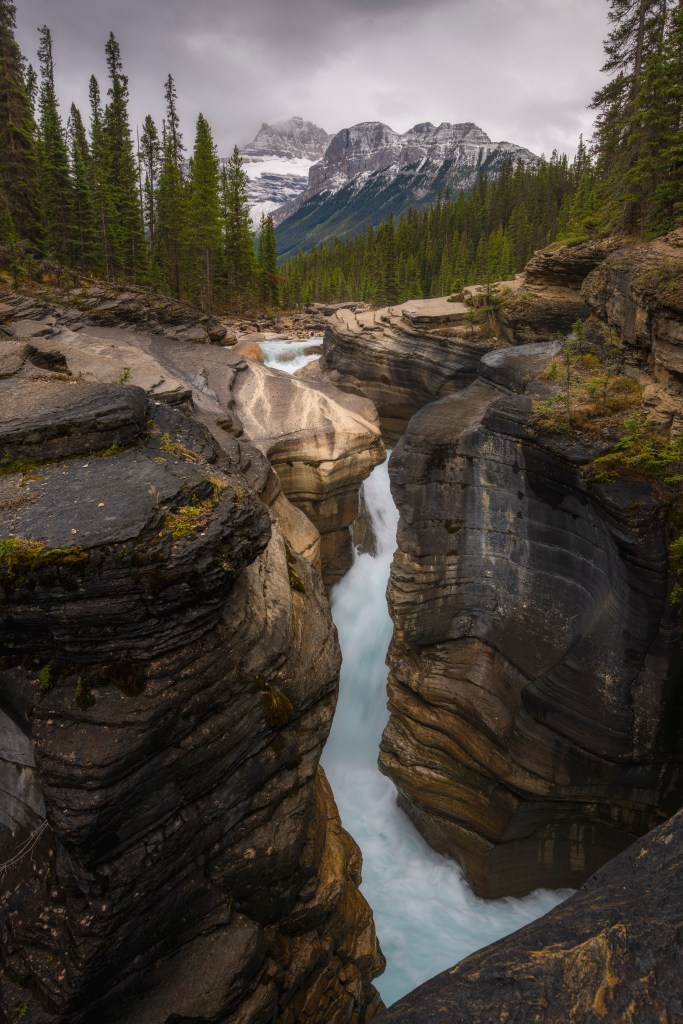
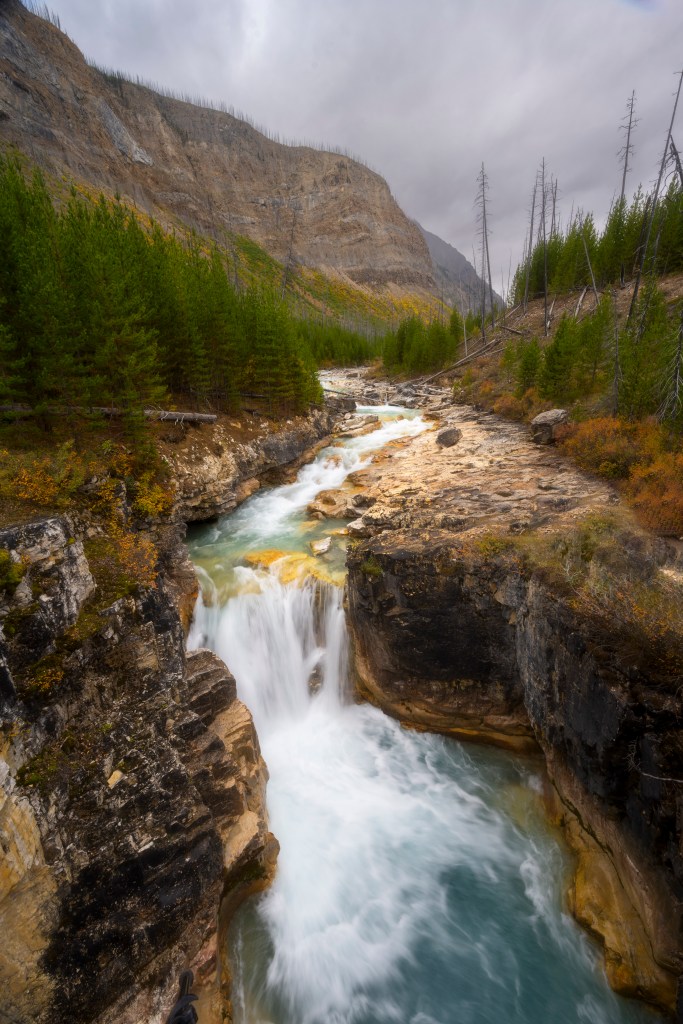
- Mistaya Canyon: Located half an hour north of Peyto Lake, Mistaya Canyon features dramatic sandstone formations carved by the raging waters originating from Peyto Lake.
Have you been to Peyto Lake, are you planning to go? Was this post useful? I would love to hear your comments and feedback.
My Gallery
For more great photos of the Rockies, check out my Rocky Mountain Collection here.
I have also partnered with Pictorem, a professional printer who can ship prints anywhere in the world. They can print on a variety of media including metal, acrylic, paper and canvas. They offer a money back guarantee if you are not completely satisfied. If you see an image which you like and it is not available on Pictorem, just contact me here.
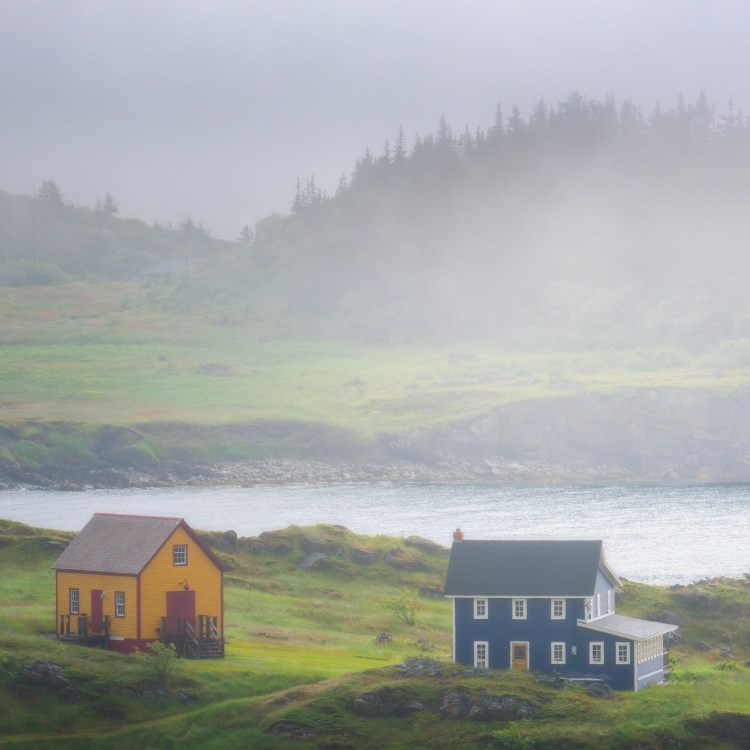
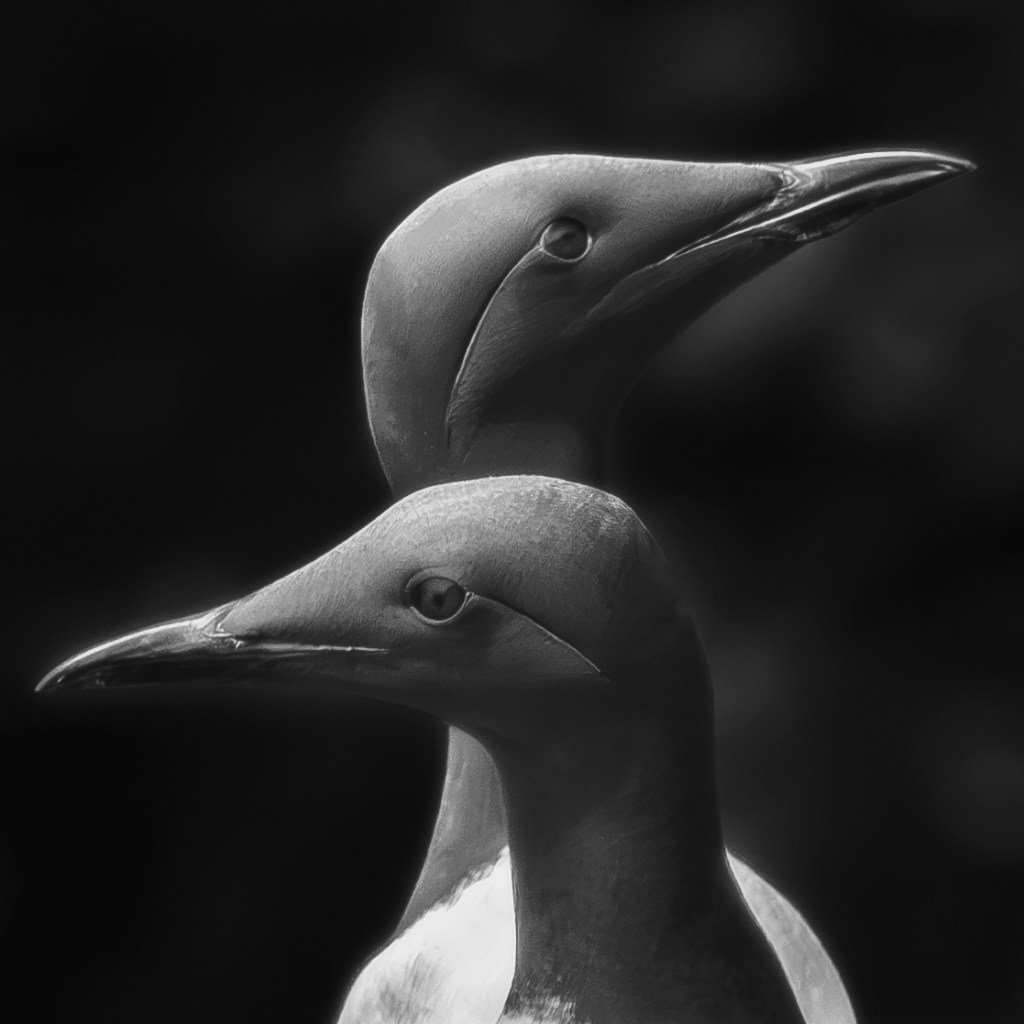
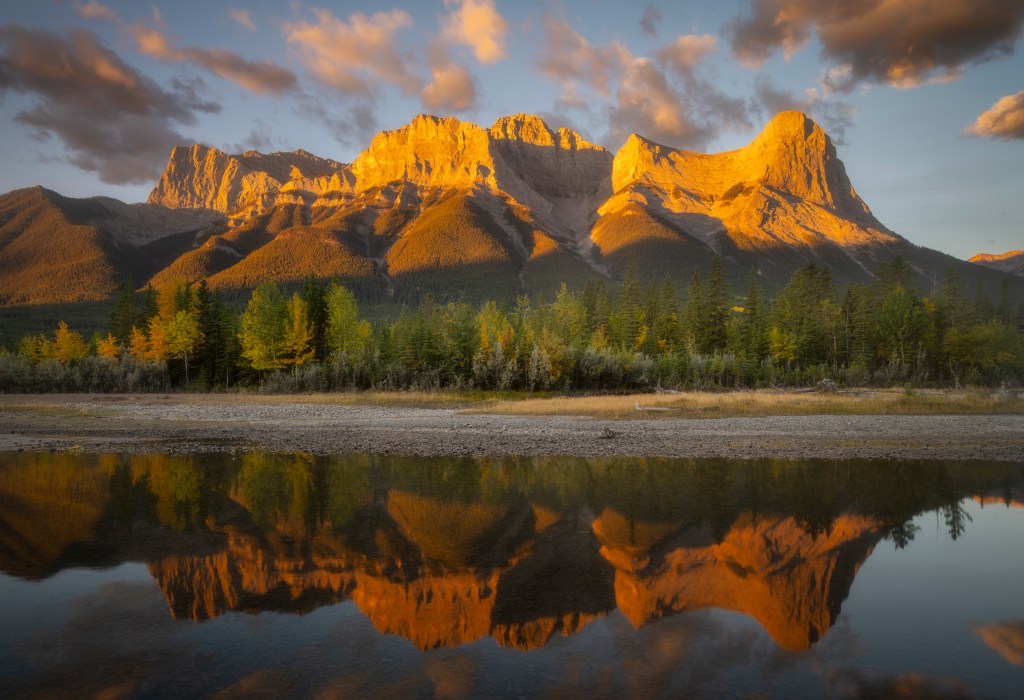
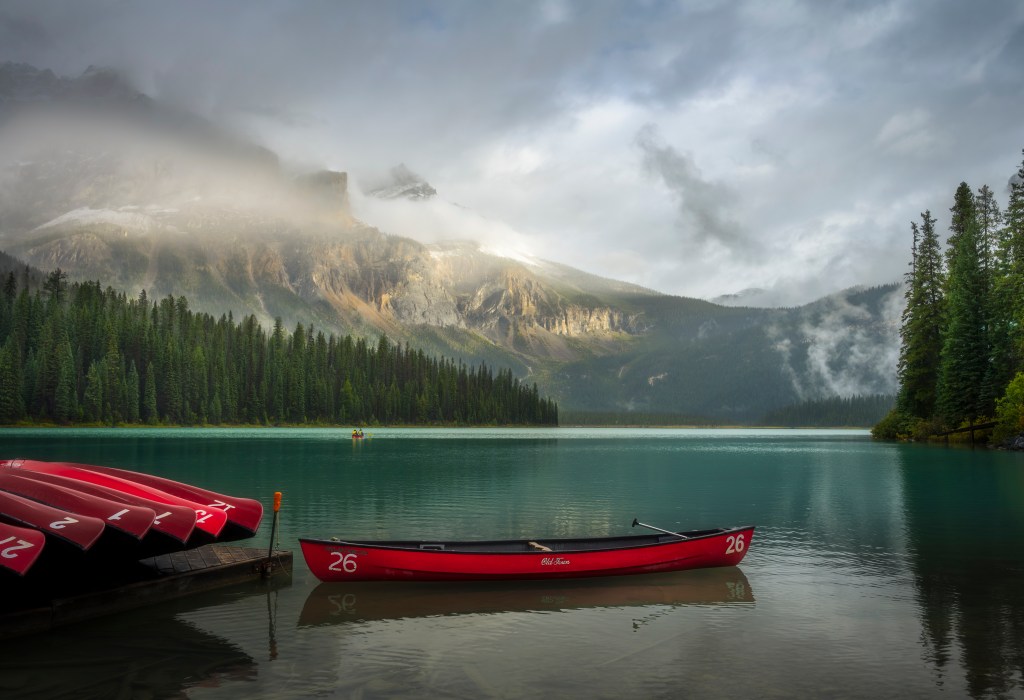
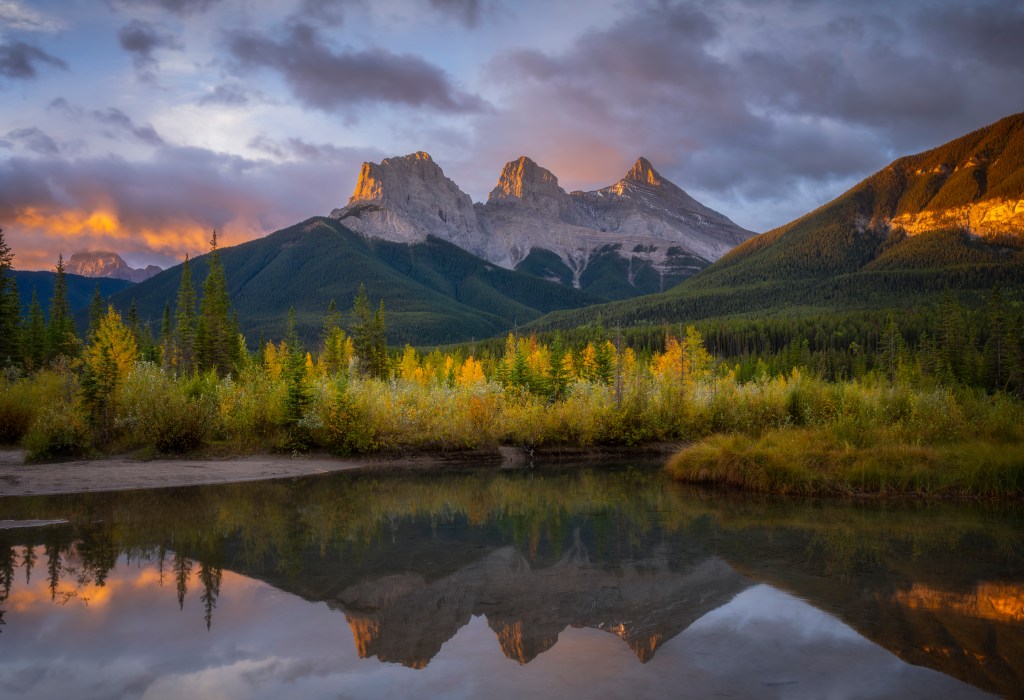
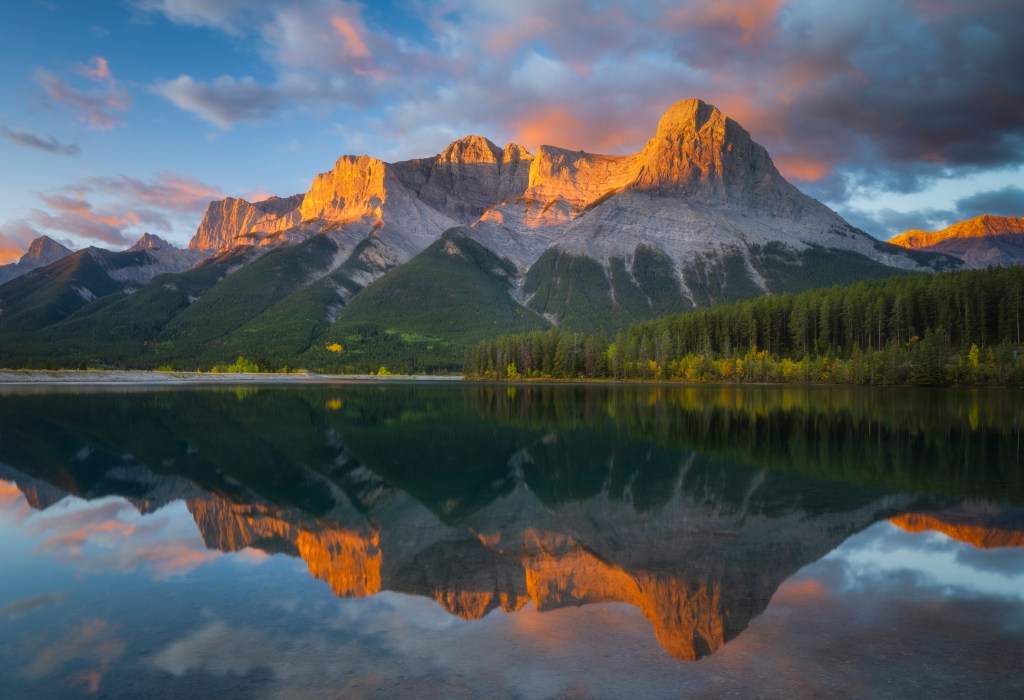
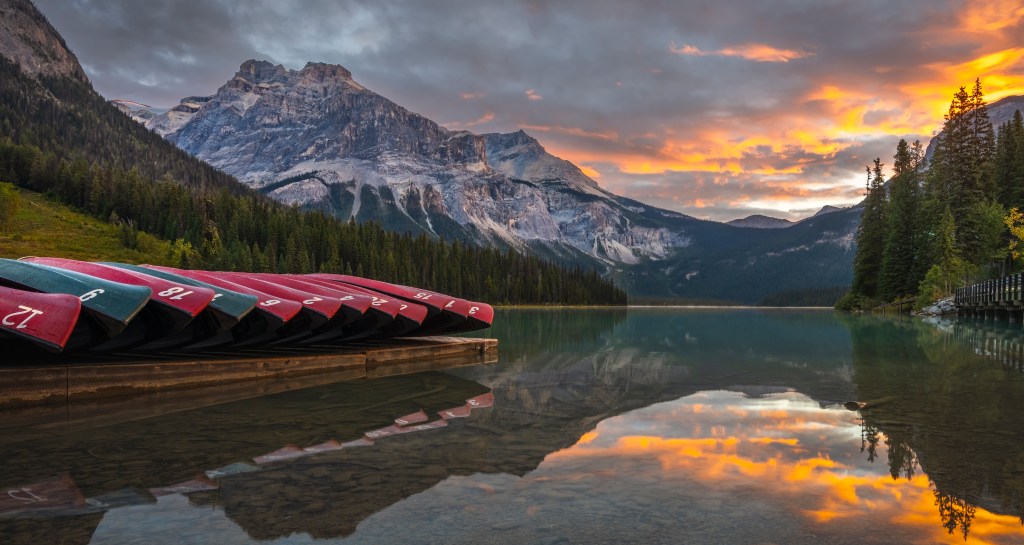
Here are some of my favorites.

To get notifications of my future posts subscribe here.
 Copyright 2026 Philip Colet
One thought on “Peyto Lake – The Wolf Spirit”
Great pictures, makes appetite going to Canada asap to see this tremendous nature live.
Georg
LikeLike