How Shall I Capture Thee
My Favorite Mount Rundle Photography Locations
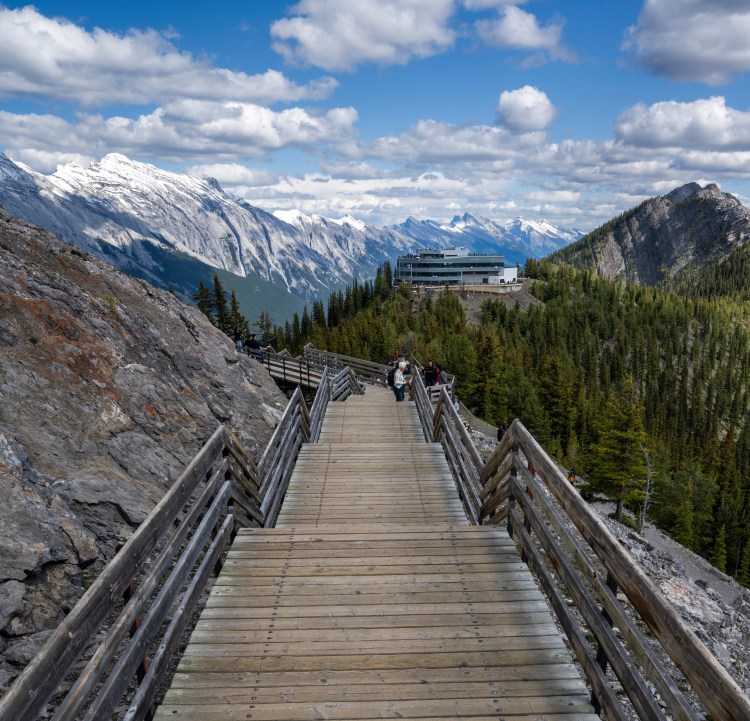
Few landscapes are as immediately recognizable—or as endlessly photogenic—as the Banff and Canmore corridor of the Canadian Rockies. From the summit of Sulphur Mountain, the scale of the region truly reveals itself: the town of Banff nestled in the valley below, Cascade Mountain aligning perfectly with Banff Avenue, and a procession of peaks stretching toward the horizon. Yet among them all, one mountain dominates both the skyline and the imagination—Mount Rundle.
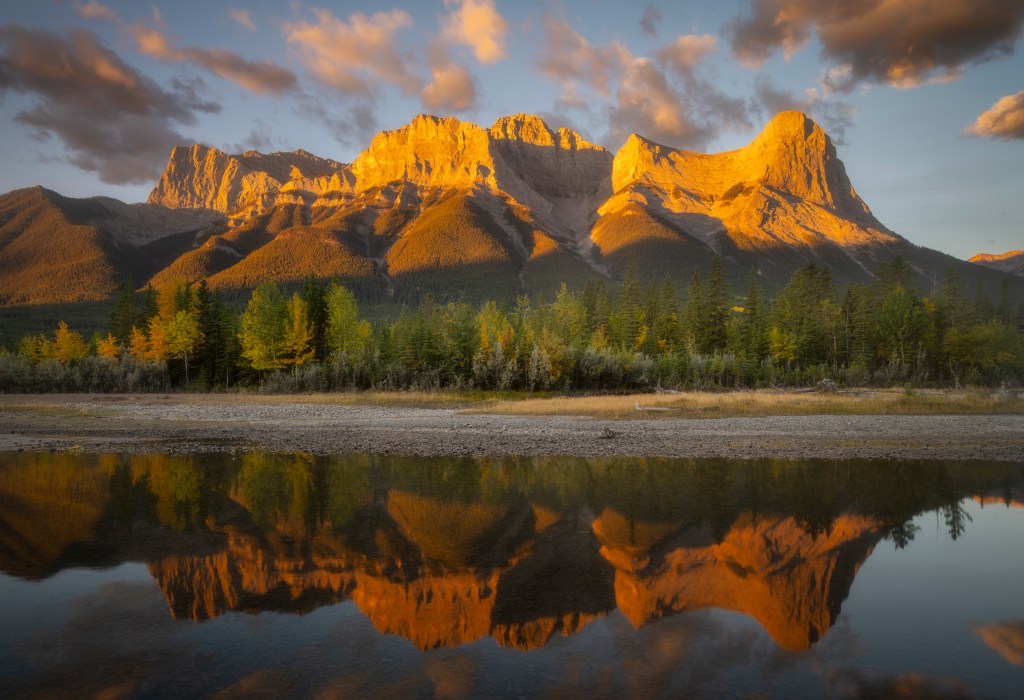
Rising prominently above the Bow Valley, Mount Rundle stretches nearly 12 kilometers from Whiteman’s Gap in Canmore to the Bow River in Banff. In reality, it is less a single peak and more a compact mountain range, composed of seven distinct summits. Its size, orientation, and proximity to town make it one of the most accessible—and rewarding—mountain subjects in the region.
In this post, I’ll share my favorite locations for photographing Mount Rundle, along with notes on timing, light, and seasonal considerations to help you plan your own shoot.
If you are enjoying this post, why not subscribe!
Quarry Lake, Canmore
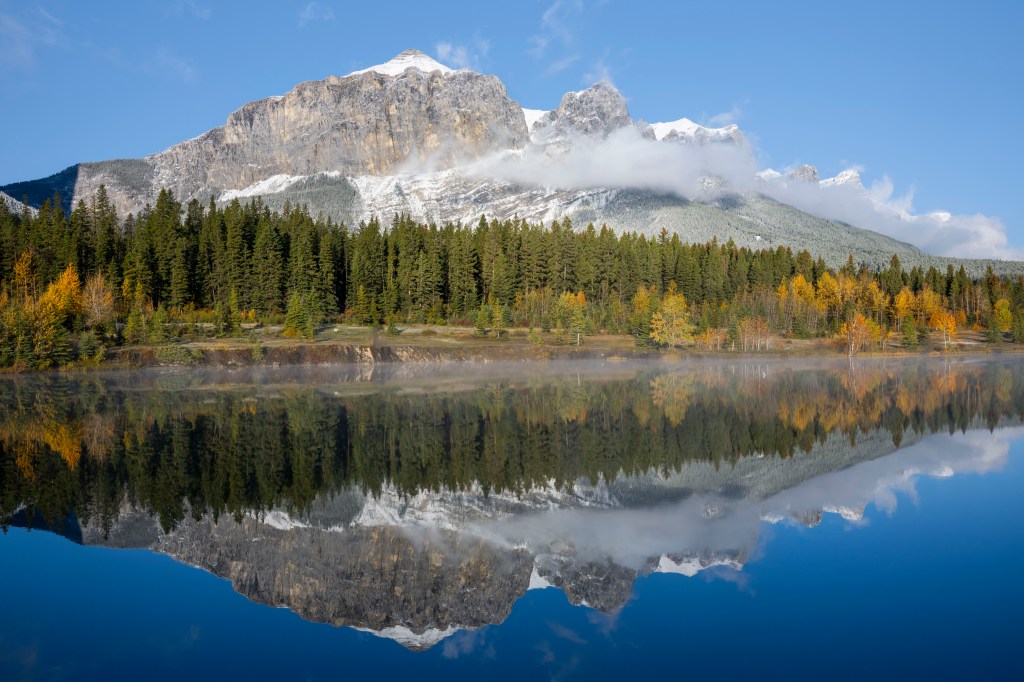
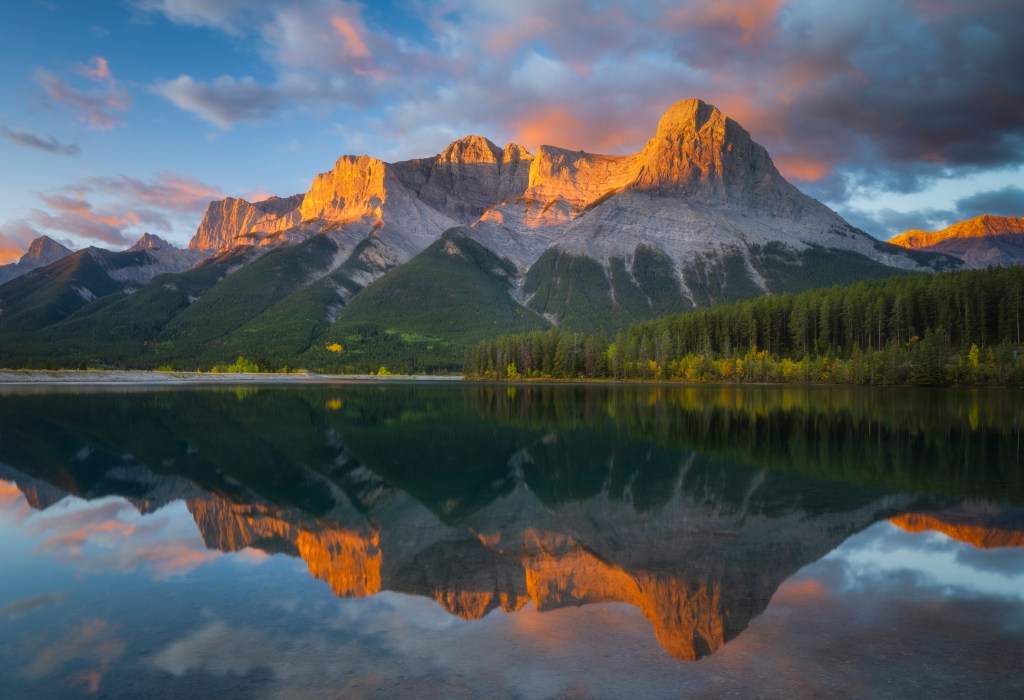
Mount Rundle begins its long run at Whiteman’s Gap, where it separates from Ha Ling Peak. Known as the East End of Rundle (EEOR), this section of the range is visible from much of Canmore, but Quarry Lake stands out as one of the most compelling vantage points.
The lake offers varied and interesting foregrounds, reflections when conditions cooperate, and a sense of scale that does justice to the mountain. Sunrise is the optimal time to shoot here, as the rising sun gradually illuminates the face of Rundle and brings depth and texture to the rock. Check out my post about my five favorite Canmore locations here.
While Quarry Lake is my top recommendation, nearby alternatives such as Rundle Forebay or the Bow River near Engine Bridge can also work well—particularly if you’re comfortable incorporating subtle man‑made elements into your compositions. Sunrise works best for this location, with the rising sun illuminating the face of Rundle as morning progresses. Check out my post about using Canmore as your base of operations when exploring Banff and Kananaskis.

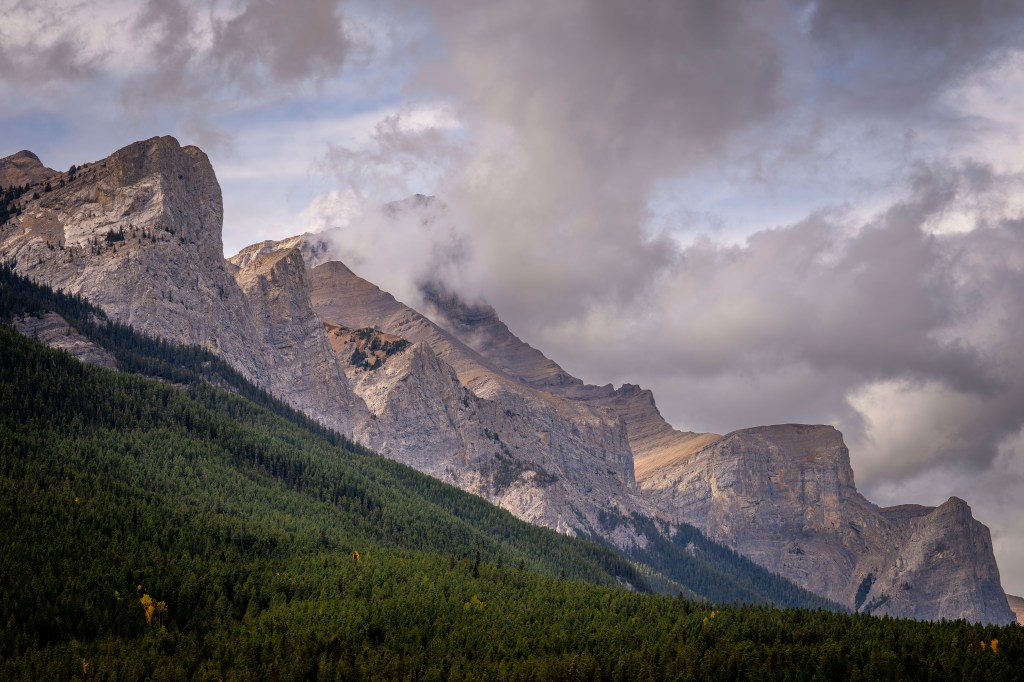
Two Jack Lake, Banff
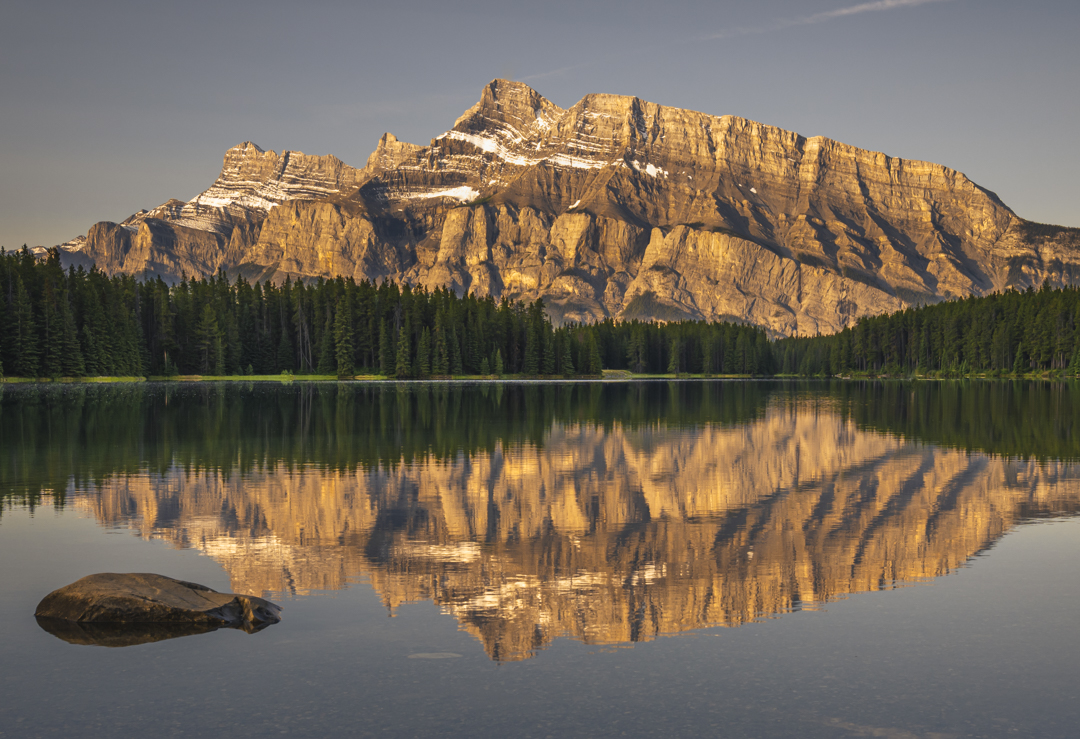
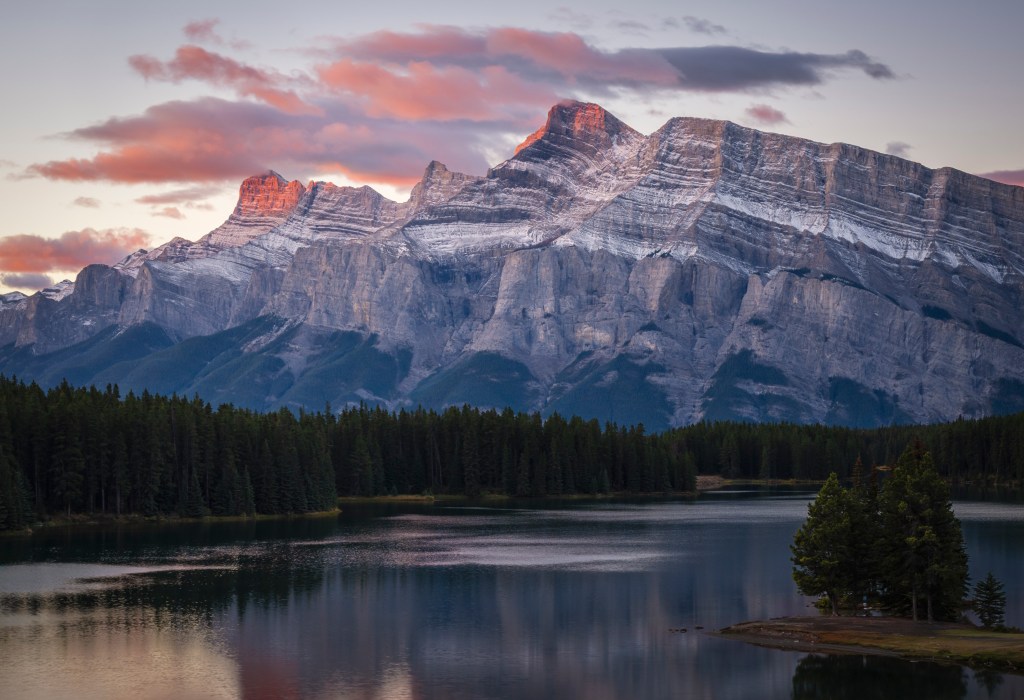
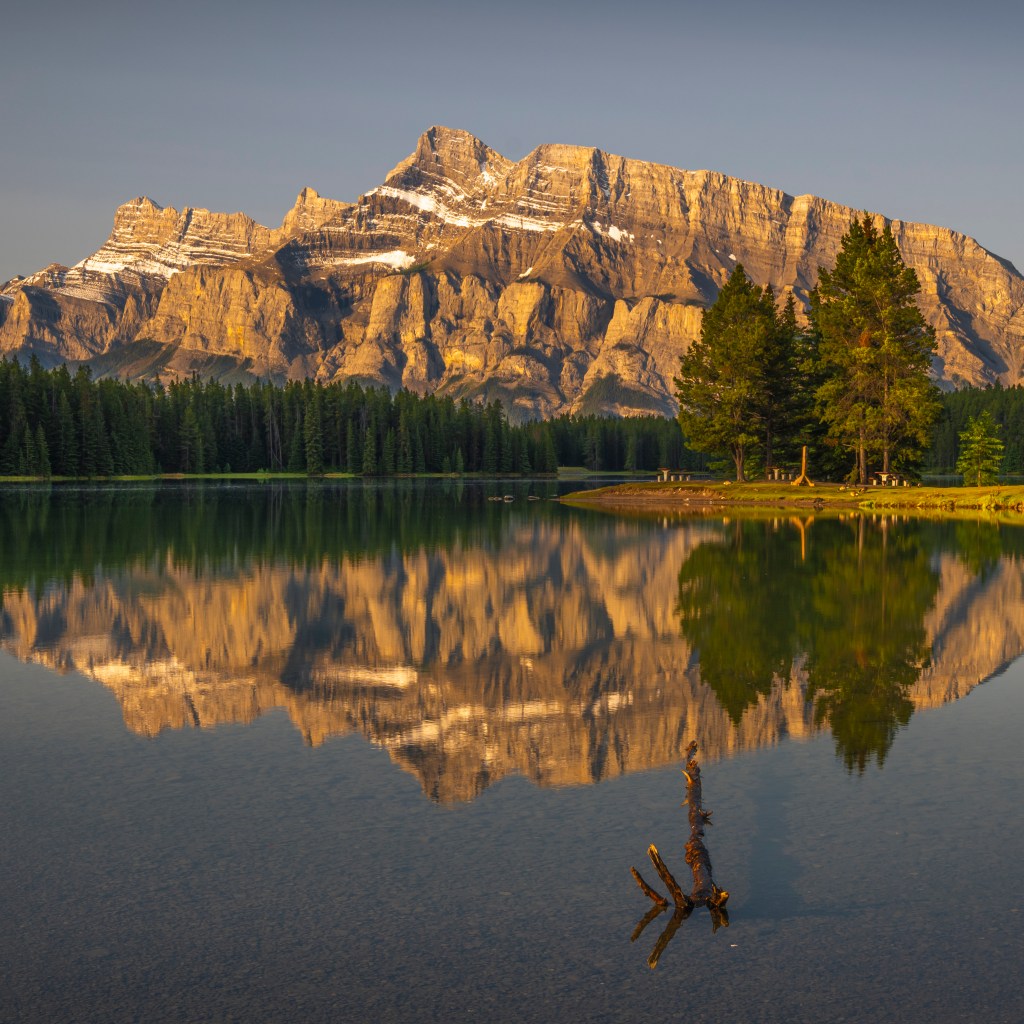
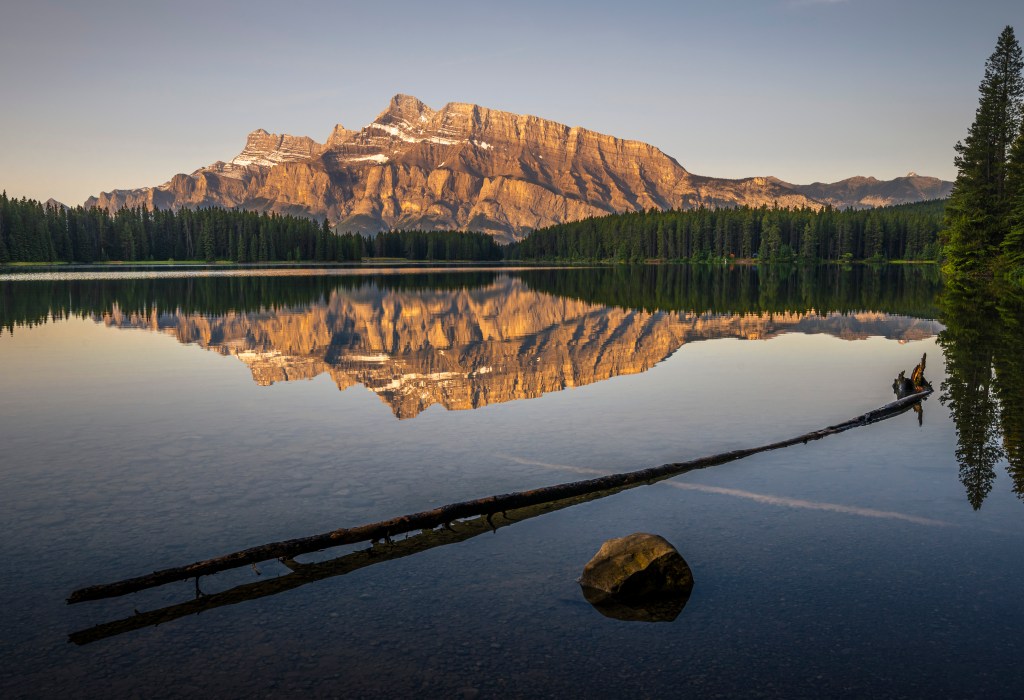
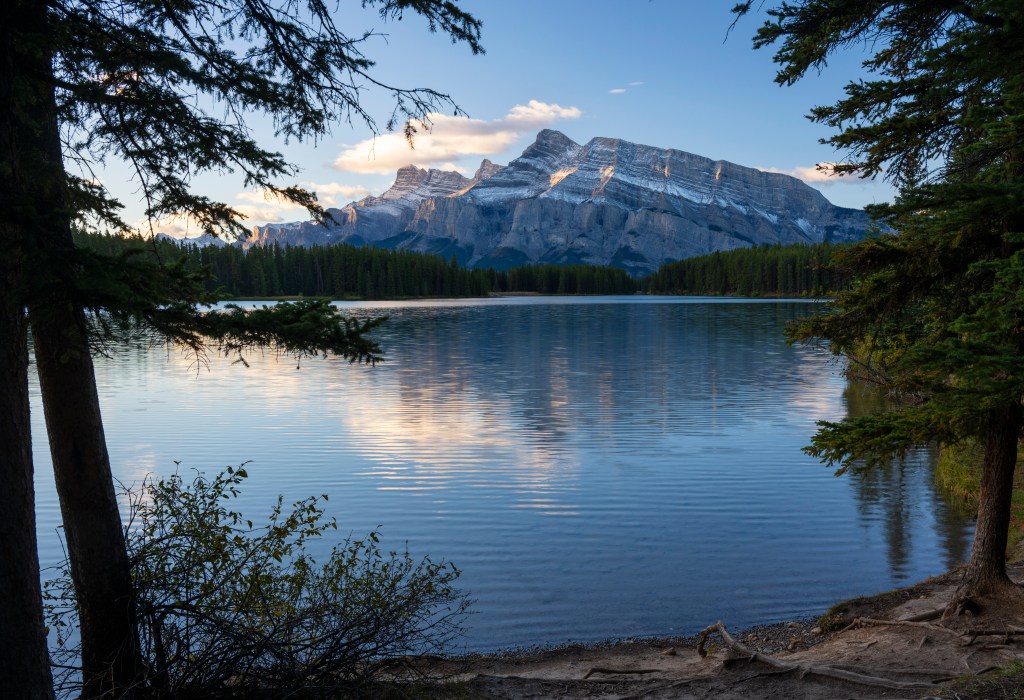
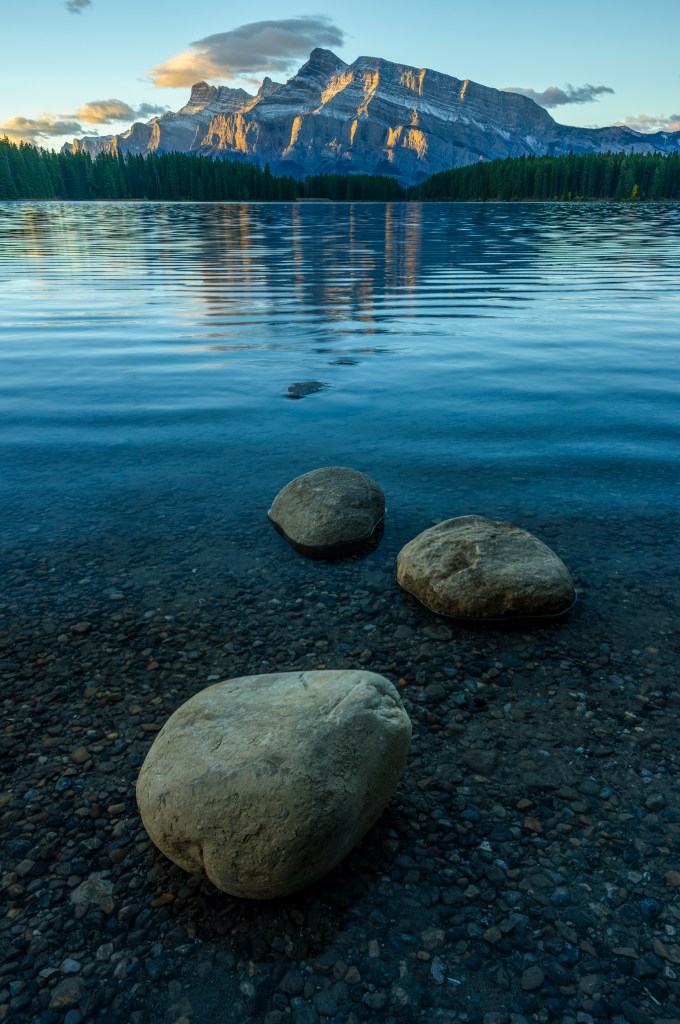
Two Jack Lake is one of those locations that never gets old—both visually and linguistically. Located roughly 10 kilometers northeast of Banff, this small lake offers classic sunrise compositions with Mount Rundle rising behind calm water and a gently curving shoreline.
Each image in the gallery from this location was captured at sunrise, either from the lake’s edge or from slightly elevated viewpoints near the parking area. What makes Two Jack Lake especially appealing is its versatility. Subtle changes in light, cloud cover, or reflections can completely transform the scene, making it a location worth revisiting multiple times.
Vermillion Lakes, Banff
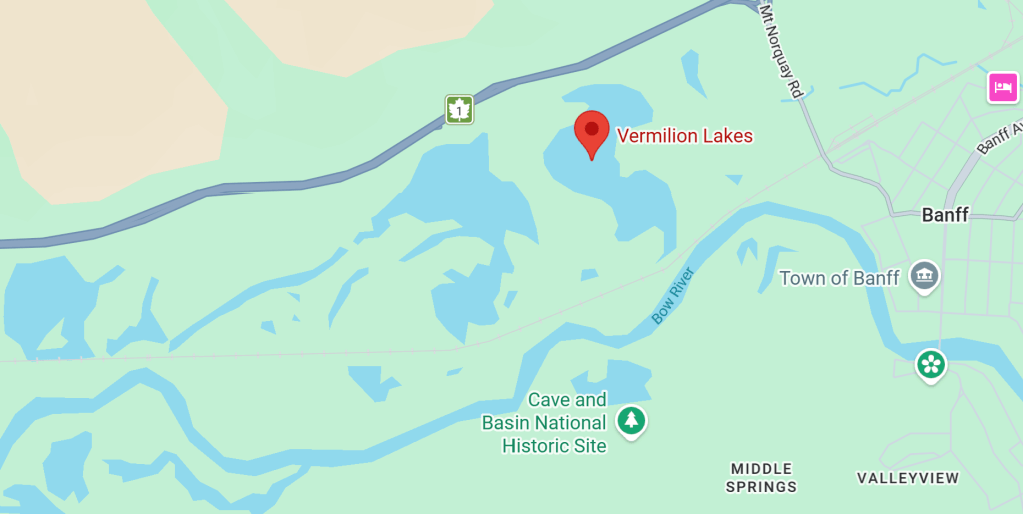
Vermillion Lakes—a chain of three lakes just west of Banff along the south side of Highway 1—may be the most compositionally diverse location for photographing Mount Rundle. Each lake offers a different perspective, with foreground elements ranging from grasses and still water to mist and ice.
This area shines under a wide range of conditions. Late June sunrises can be dramatic, though cloud cover may limit contrast. Alternatively late September often delivers exceptional light, especially when fog settles over the lakes and slowly lifts as the sun rises. During fall, the angle of the sun creates striking illumination patterns on Rundle’s visible faces.
While Vermillion Lakes are often associated with sunrise, sunset can be equally rewarding, particularly in early October when the setting sun illuminates the mountain from the west. Even after sunset, high clouds can catch the remaining light and create fleeting but unforgettable moments—sometimes requiring quick, handheld shooting when conditions change faster than expected.
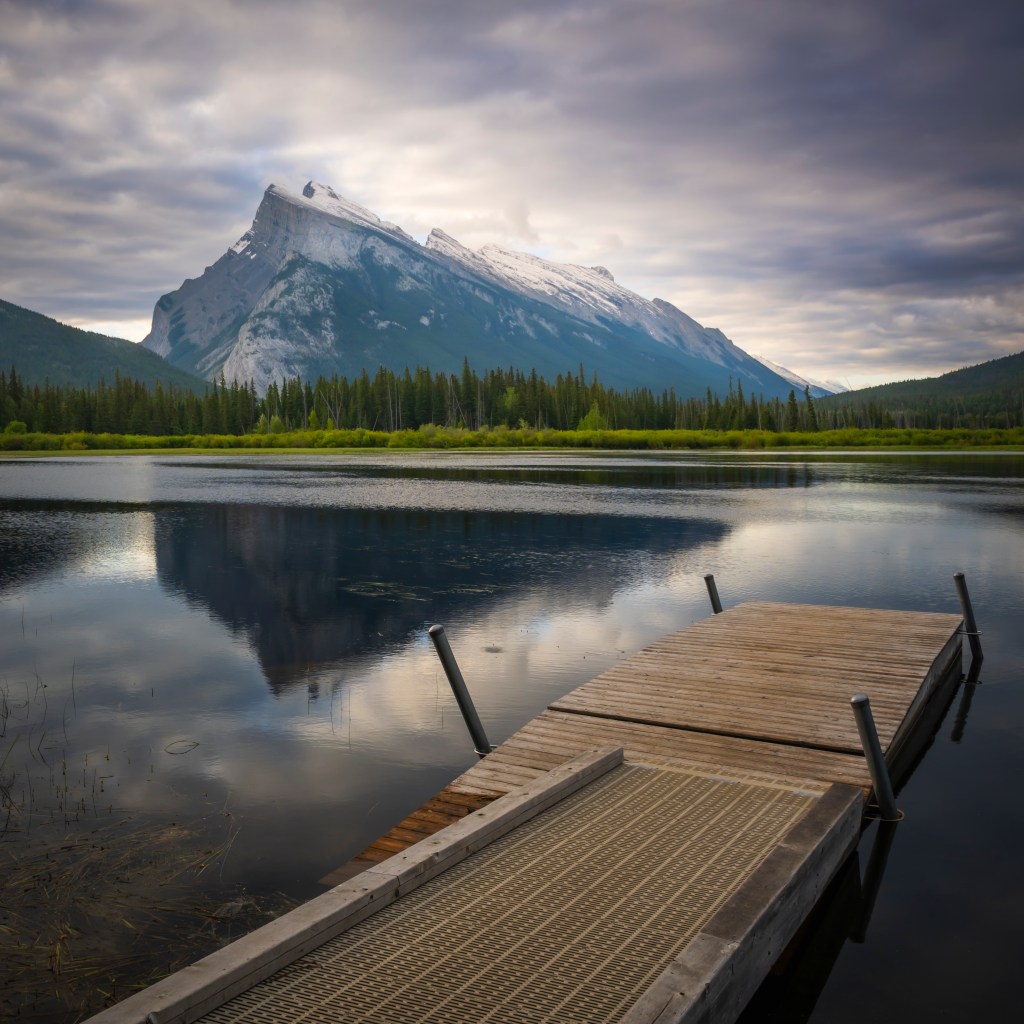
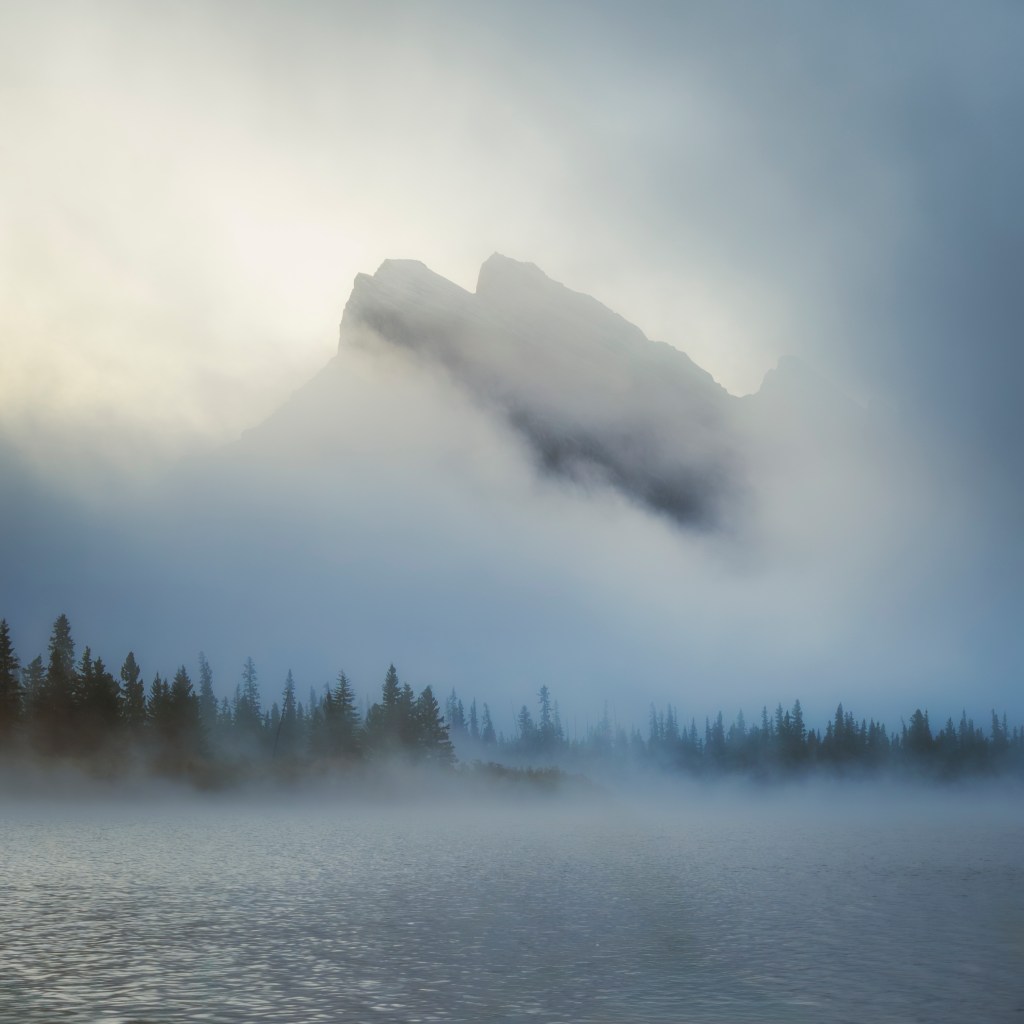
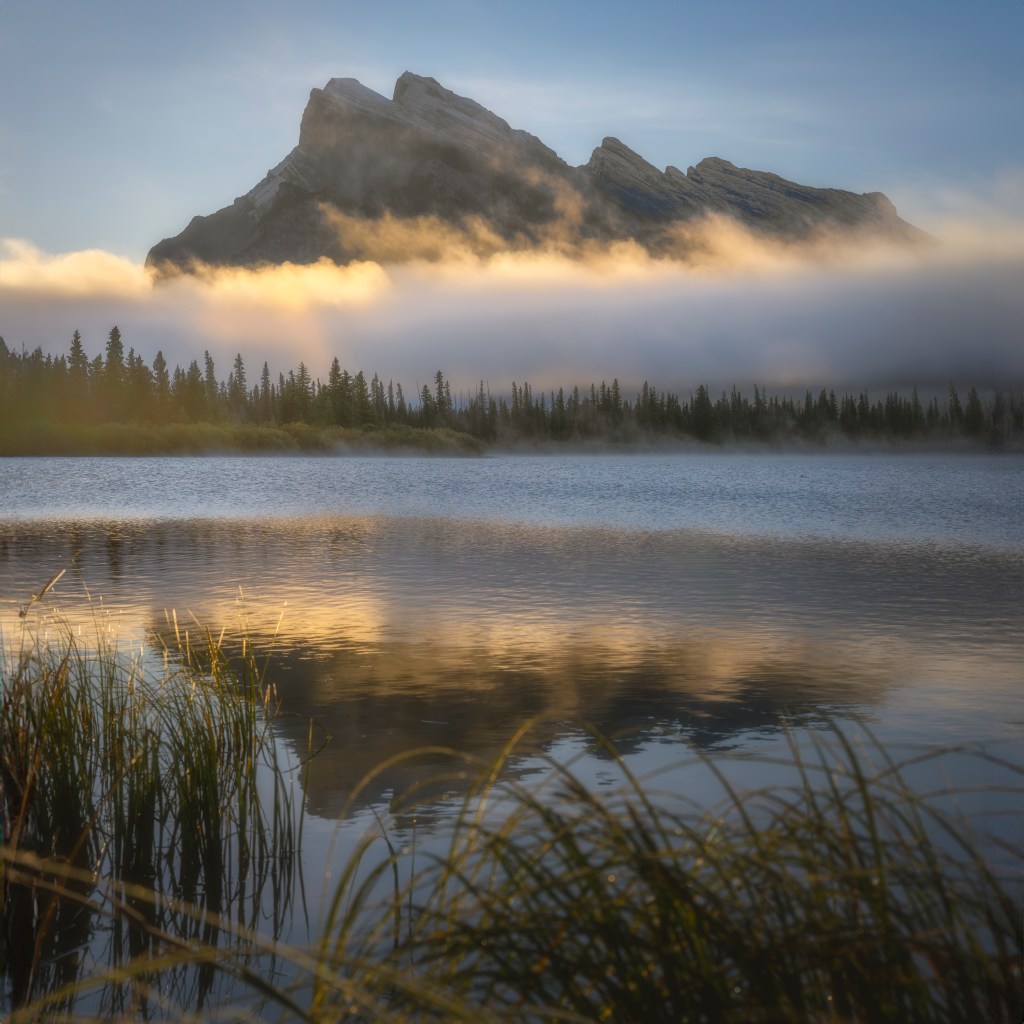
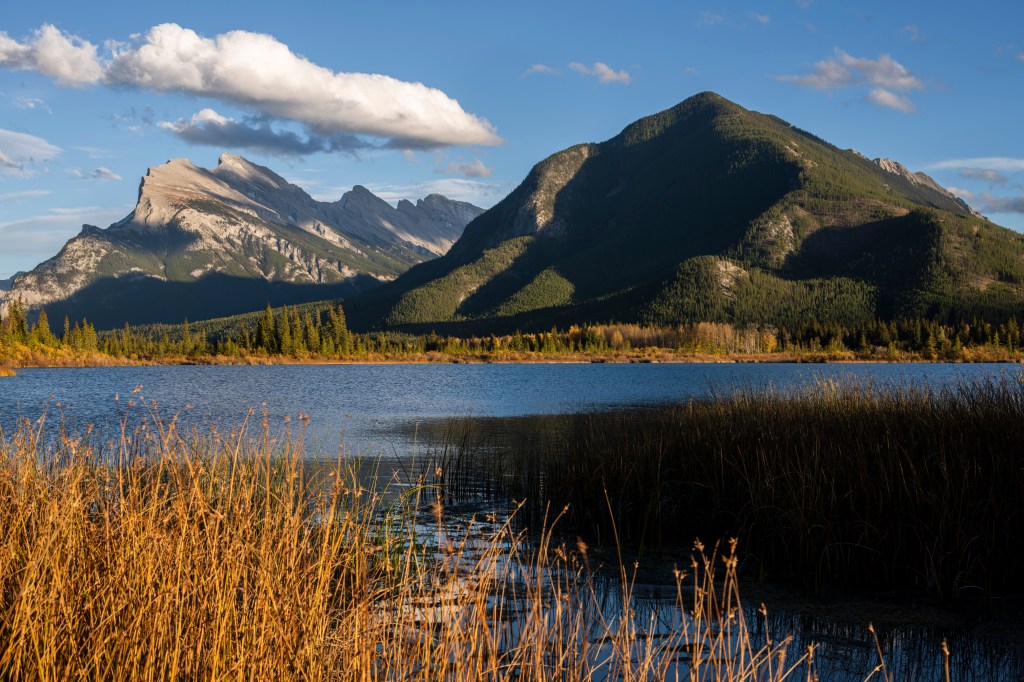
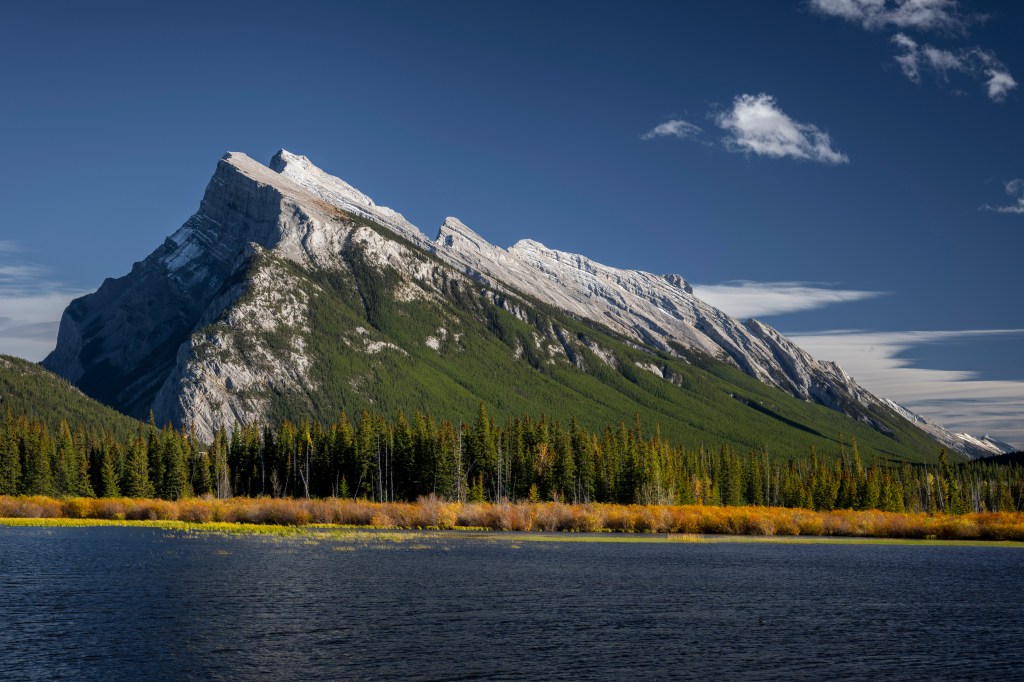
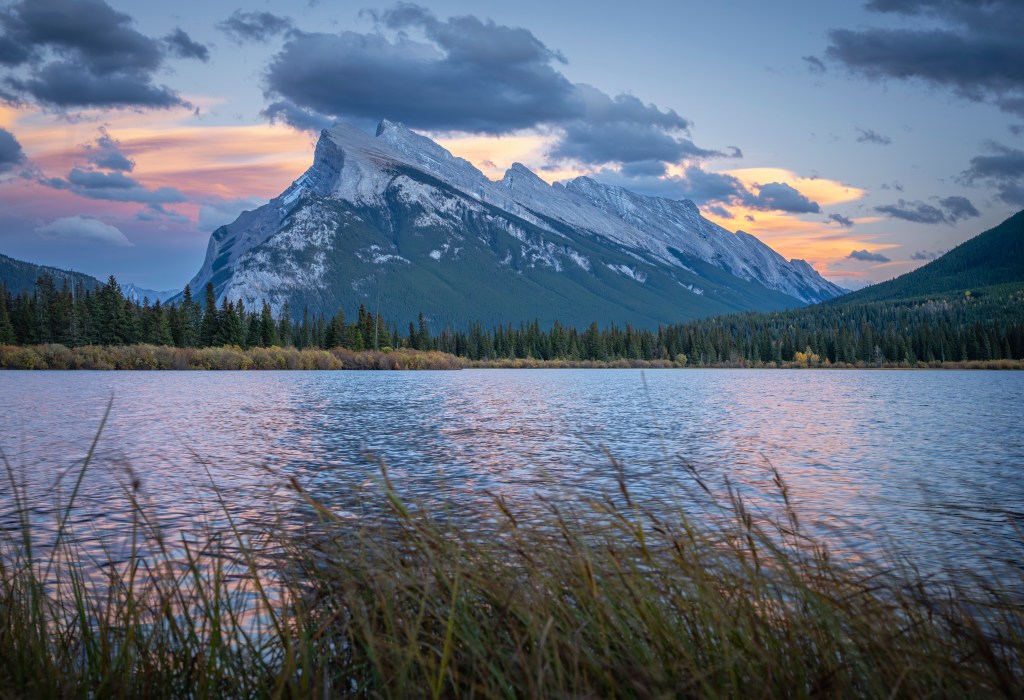
So, sunrise or sunset? The answer is both. What matters more than the clock is the weather and your willingness to adapt.
Never miss a post, subscribe now!
Highway 1 Lookout
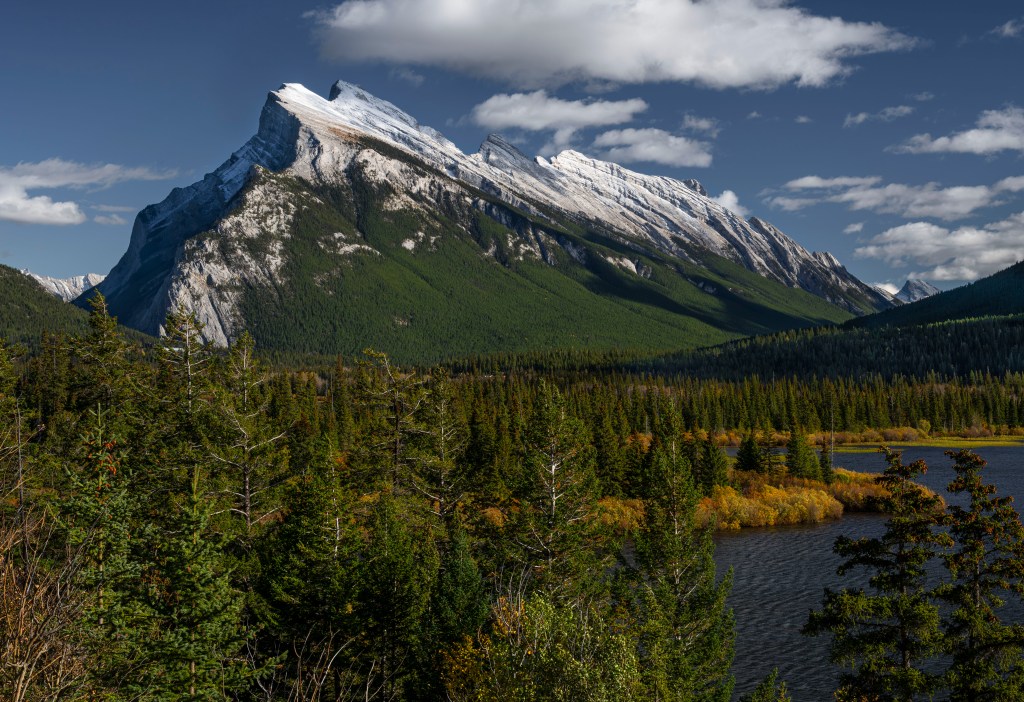
Highway lookouts are not typically my first choice for landscape photography, but exceptions exist. One such exception is the lookout just north of Banff when returning south from the Icefields Parkway.
The perspective here is similar to the view from Vermillion Lakes but elevated, offering a broader view of Mount Rundle and the surrounding valley. It’s a brief stop, but one that can yield surprisingly strong results, especially when light conditions align.
Best Time of Year for Photography
Personally, I’m drawn to fall. Colors peak, sunrise and sunset occur at more forgiving hours, and the sun’s lower angle adds drama and dimension to the landscape. That said, spring and summer remain excellent options, particularly for sunrise shoots.
Winter is the only season I’ve yet to fully explore—but it holds tremendous potential. From Vermillion Lakes, the winter sun rises behind Mount Rundle, creating beautiful blue‑hour opportunities. The lakes, fed by hot springs, often remain partially unfrozen, allowing open water to cut through ice and snow and create strong leading lines. Frost and snow add texture and contrast, making winter a season well worth considering.
Photography Tips
- Lens Selection: Carry both a wide‑angle lens and a moderate telephoto (up to ~120mm) to capture sweeping vistas as well as tighter details.
- Tripod Advice: Essential for sunrise, sunset, and low‑light conditions.
- Polarizer Use: Highly recommended to enhance vegetation colors and manage reflections off of the water.
- Watch the Weather: Conditions make or break mountain photography. Flexibility is key when deciding which location to shoot and when.
- Dress Appropriately: Layer up, particularly during spring and fall, as mountain weather can be unpredictable.
- Bring Bear Spray: Some of these locations are isolated, so bring bear spray and know how to use it.
Nearby Destinations
Bow Lake and Mistaya Canyon
Extend your adventure by exploring nearby gems:
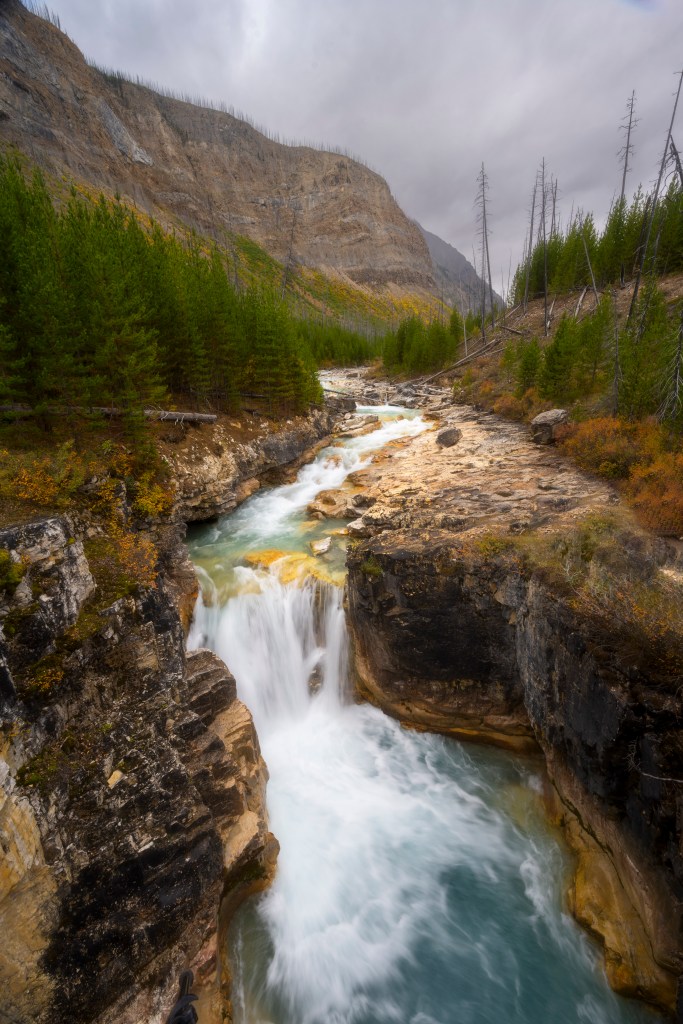
- Marble Canyon: Not more than an hour from the town of Banff, Marble Canyon has great views, and an education on glacial erosion to boot. Highly recommended.
- Johnston Canyon: Located half an hour north of Banff, Johnston Canyon is a very popular destination, and with good reason. Just get there early to avoid the crowds.
Have you been to any of these locations? Was this post helpful and useful? I would love to hear your comments and feedback.
If you enjoyed this post, consider subscribing for upcoming posts about travel and photography advice.
My Gallery
For more great photos of the Rockies, check out my Rocky Mountain Collection here.
I have also partnered with Pictorem, a professional printer who can ship prints anywhere in the world. They can print on a variety of media including metal, acrylic, paper and canvas. They offer a money back guarantee if you are not completely satisfied. If you see an image which you like and it is not available on Pictorem, just contact me here.
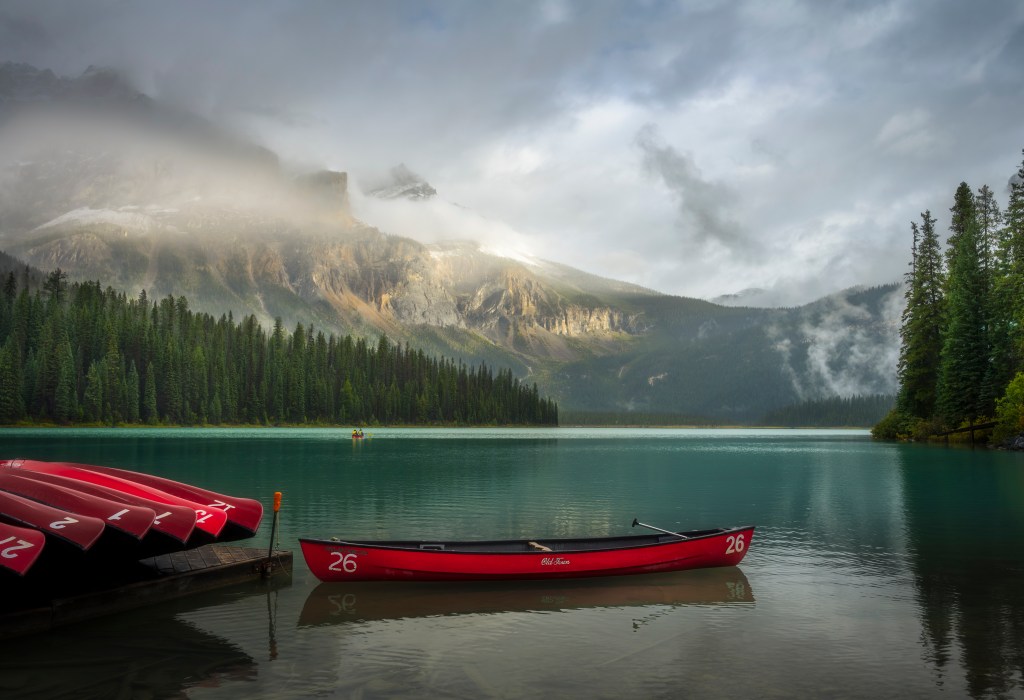
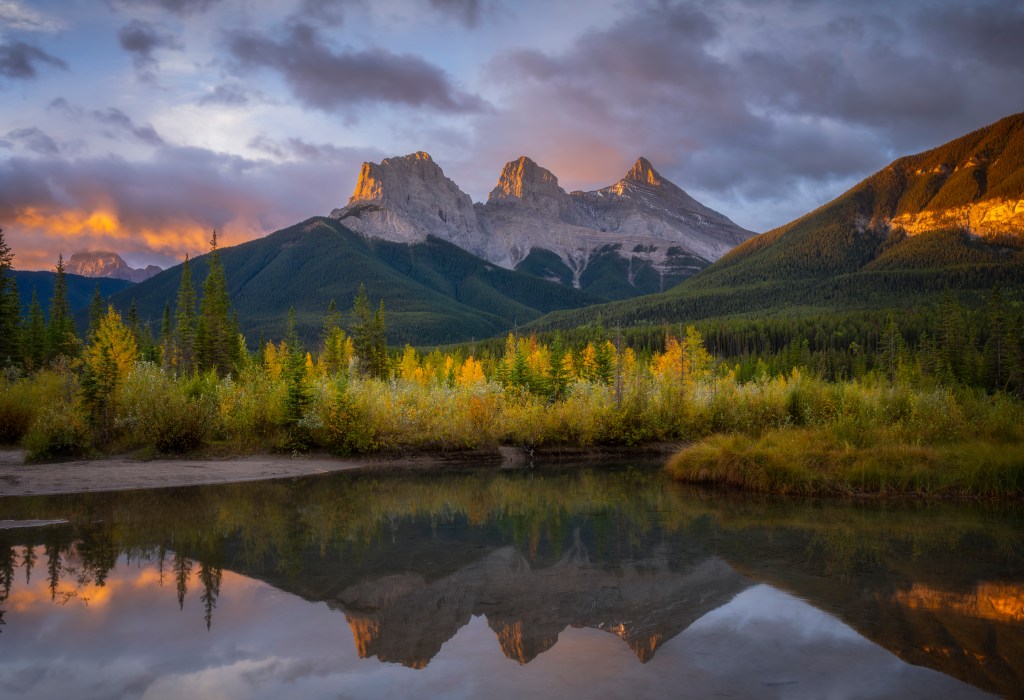
Here are some of my favorites.

To get notifications of my future posts subscribe here.
 Copyright 2026 Philip Colet