
Exploring Vancouver Island
Rainforests draped in mist, long beaches shaped by Pacific weather, and sunsets that seem to linger just a little longer—Vancouver Island offers the kind of visual rhythm photographers travel for. I spent one week exploring this rugged corner of British Columbia, and while seven days only scratches the surface, it was enough to understand why the island has such a distinct creative pull. Capturing that West Coast feeling in words is no easy task, but this journey is certainly worth sharing.
Calling Vancouver Island unique almost understates the experience. It is refined yet relaxed, nostalgic yet contemporary, and unmistakably shaped by the ocean. Mountain roads give way to surf beaches, quiet towns sit beside immense stretches of coastline, and the rainforests—dense, cool, and atmospheric—feel like natural studios for light, texture, and scale. The Douglas firs alone are reason enough to slow down and look more carefully.
The island is known for many things: Nanaimo bars, some of Canada’s most celebrated surf, the storm-watching culture of Tofino, and the mild coastal elegance of Victoria. For photographers, however, its real appeal lies in contrast—soft fog against dark forest, polished city architecture against harbour light, and wild Pacific beaches that shift character from hour to hour.
I spent a week on Vancouver Island in late summer, using the time to get a feel for its geography, communities, and photographic possibilities. What stayed with me most was the presence of Indigenous culture, the relationship between land and sea, and the quiet drama of the natural environment. What follows is a compact visual travelogue from a trip that could easily have filled several more days.
Vancouver and Stanley Park
Although I have lived in Canada my whole life and have passed through Vancouver on several occasions, this was my first real opportunity to explore the city. It served as the natural gateway to Vancouver Island, and Stanley Park quickly became the highlight. With its shoreline paths, forested trails, beaches, wildlife, and expansive views, the park offers an impressive range of subjects within a remarkably compact area.
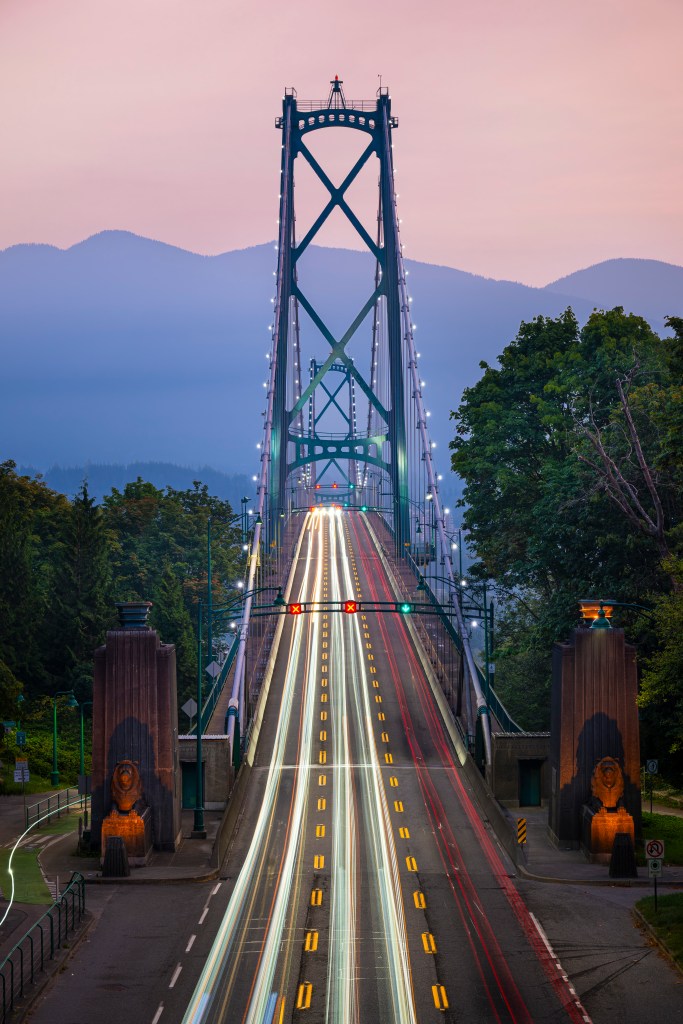
A paved seawall circles the park, creating an easy route for photographing downtown Vancouver, the working port, Lions Gate Bridge, and the open water beyond. One of the most recognizable stops along the way is Siwash Rock, a sea stack with a lone tree clinging improbably to its top—an excellent subject for long-exposure work.
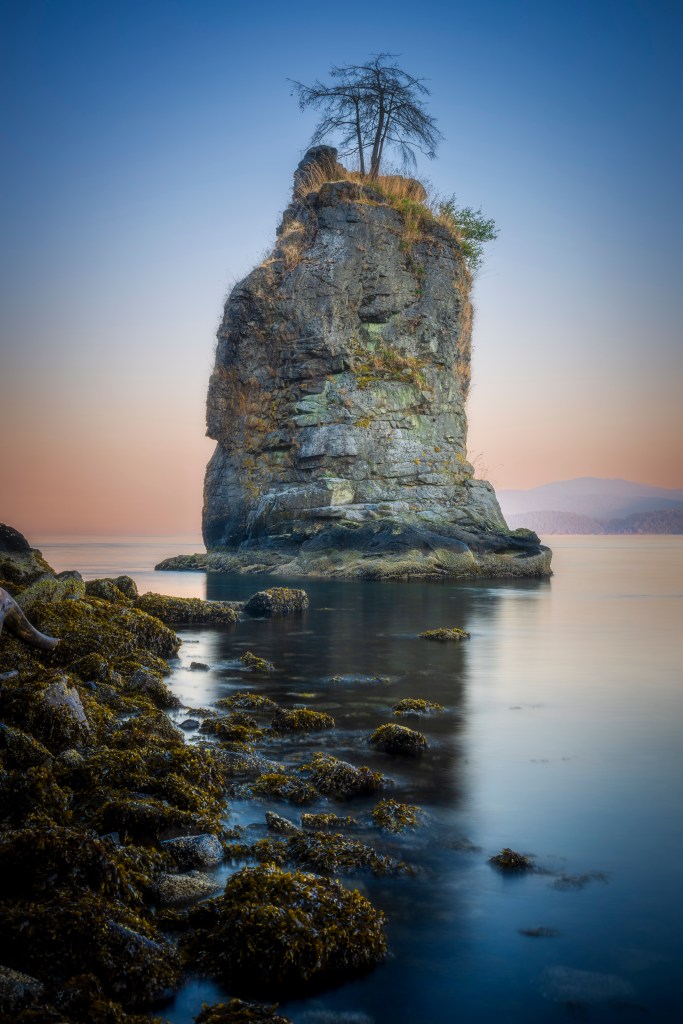
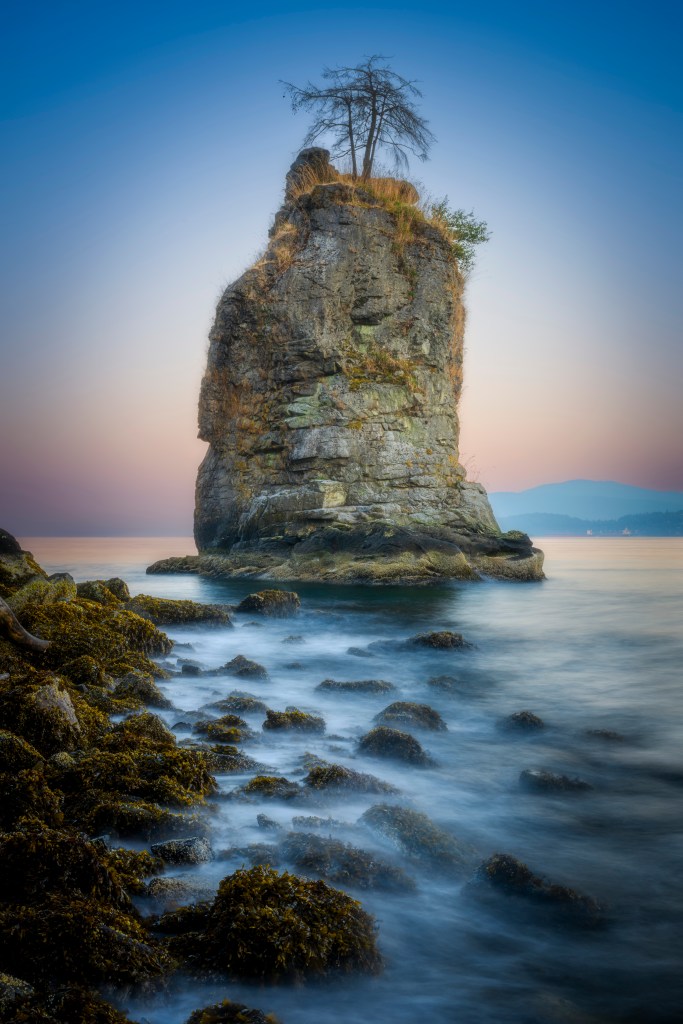
These two Siwash Rock images are nearly identical in composition, but the water changes the entire mood. In the first frame, a long exposure smooths the surface into calm, minimal tones. In the second, I waited for waves to introduce more movement and energy. It is a useful reminder that patience often matters as much as framing when working with coastal subjects. Let me know which version you prefer in the comments below.
Vancouver Island
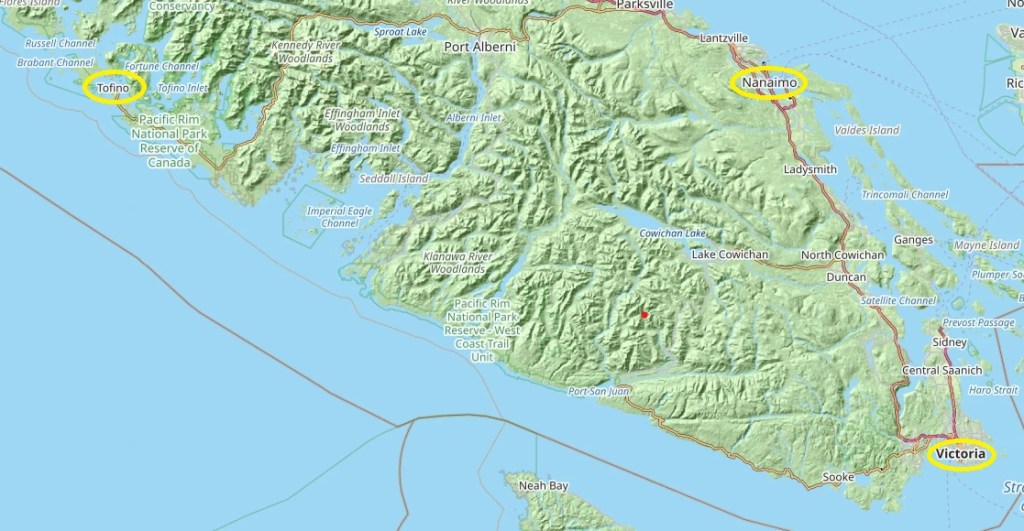
Vancouver Island is expansive, not only in distance but in character. For this trip, I focused on three anchor points: Nanaimo, Tofino, and Victoria. Nanaimo, on the east coast, works beautifully as an entry point and sunrise location. Tofino, on the west coast in the traditional territory of the Tla-o-qui-aht First Nations, brings together rainforest, surf culture, and dramatic Pacific weather. Victoria, British Columbia’s capital, sits at the island’s southern tip and offers an entirely different palette: harbours, heritage architecture, gardens, and urban coastal light.
Nanaimo
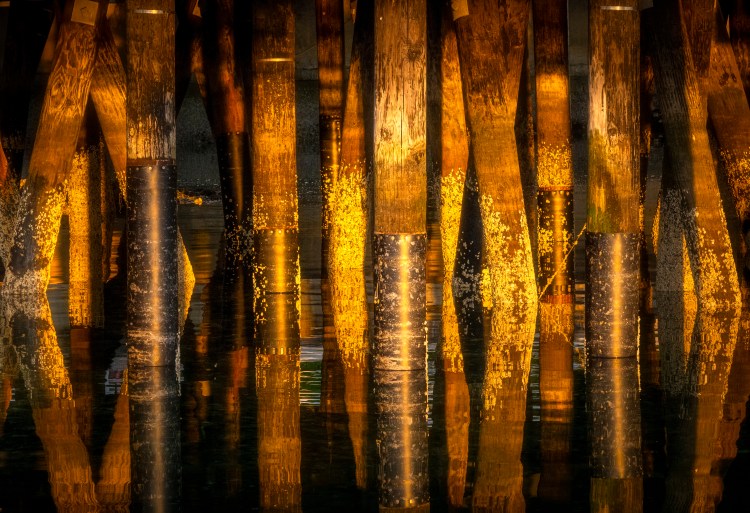
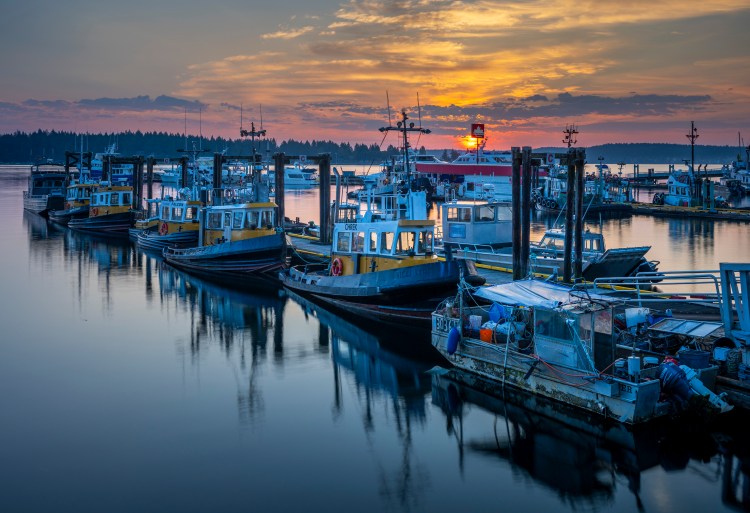
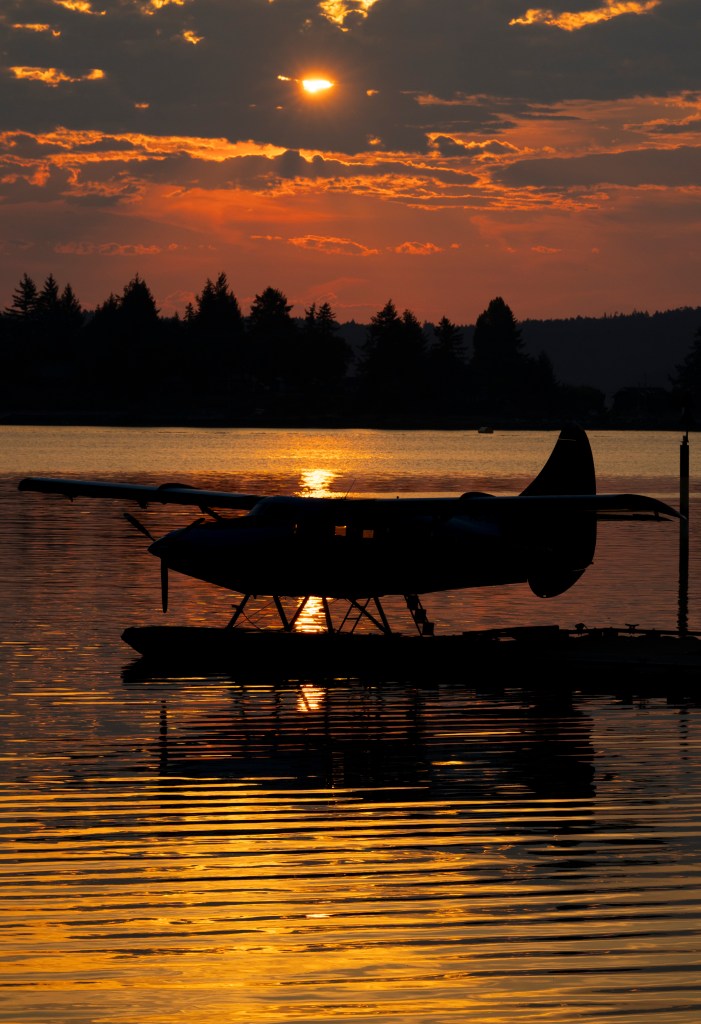
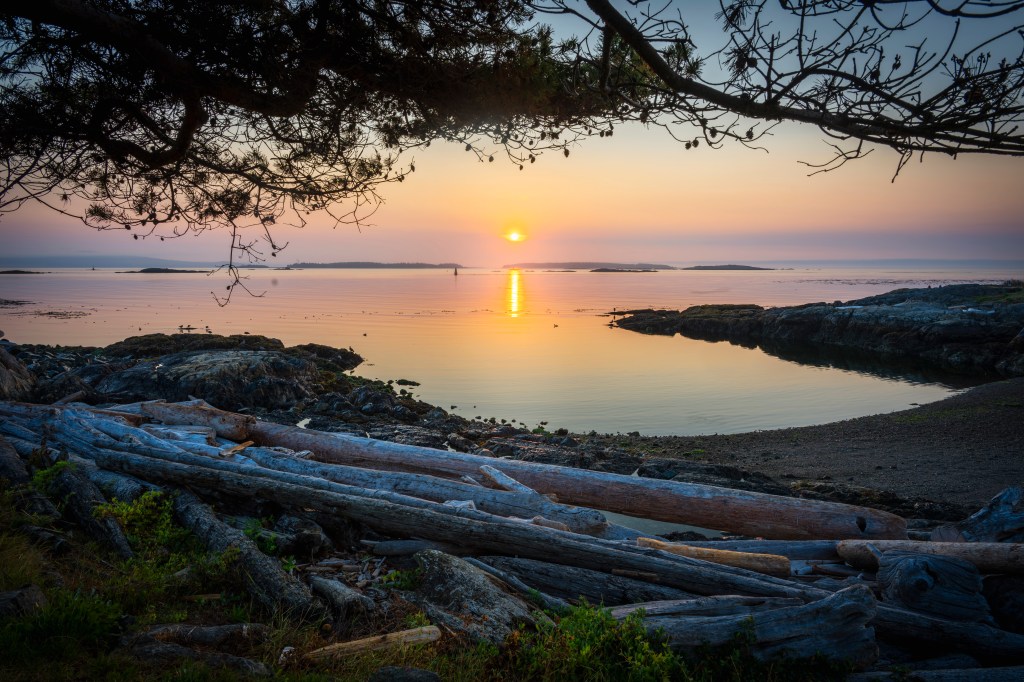
Nanaimo, on Vancouver Island’s east coast, is particularly well suited to sunrise photography. The light arrives across the water, often with soft colour and clean reflections, giving the waterfront a quiet, contemplative quality. The area is part of the traditional territory of the Snuneymuxw people, whose presence and history are deeply connected to this coastline.
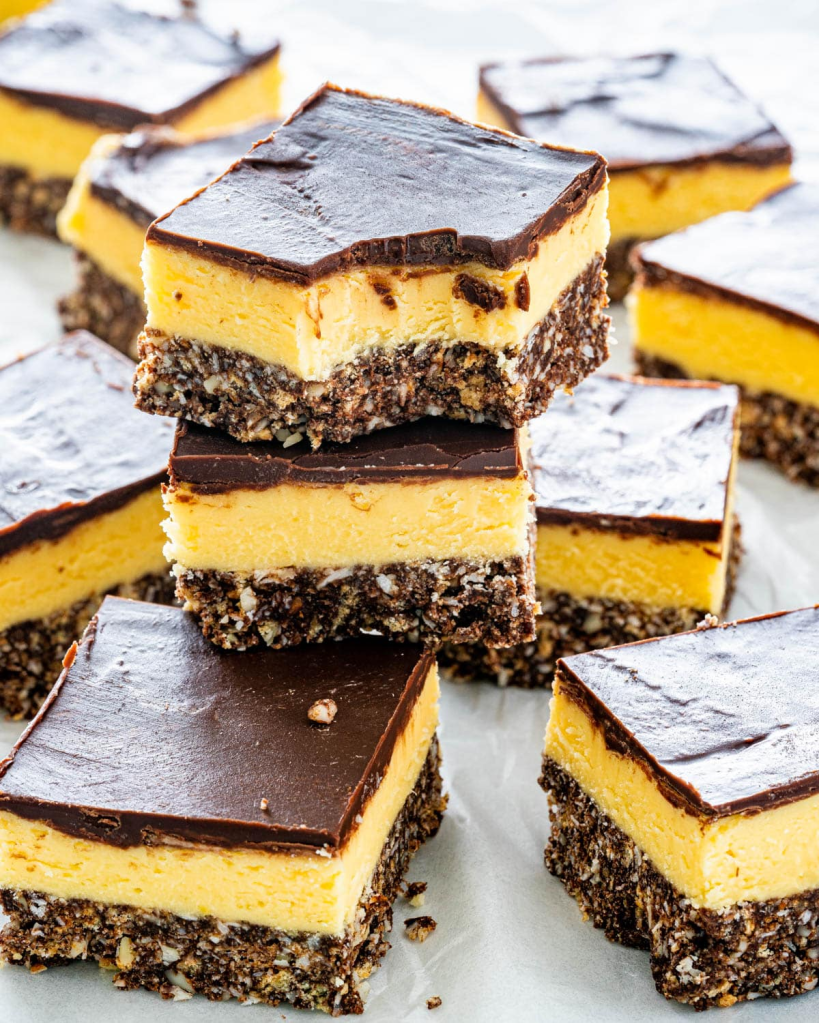
Downtown Nanaimo is compact, walkable, and full of small visual details—harbour textures, storefronts, reflections, and the kind of understated street scenes that reward a slower pace. It is also worth making time for the city’s most famous indulgence: the Nanaimo bar, a layered dessert of crumb base, custard filling, and chocolate topping. Its origins may be debated, but its appeal is not.
Enjoying this guide? I publish about one new guide a month, so why not subscribe to get new location breakdowns, field notes, and practical shooting tips on my future posts.
Nanaimo to Tofino
The drive from Nanaimo to Tofino takes a few hours, but it is best approached as part of the experience rather than simply a transfer. One worthwhile stop is the country market in Coombs, an eclectic roadside landmark known for its shops, food options, and the famous goats that graze on the roofs. It is quirky, busy, and undeniably photogenic.
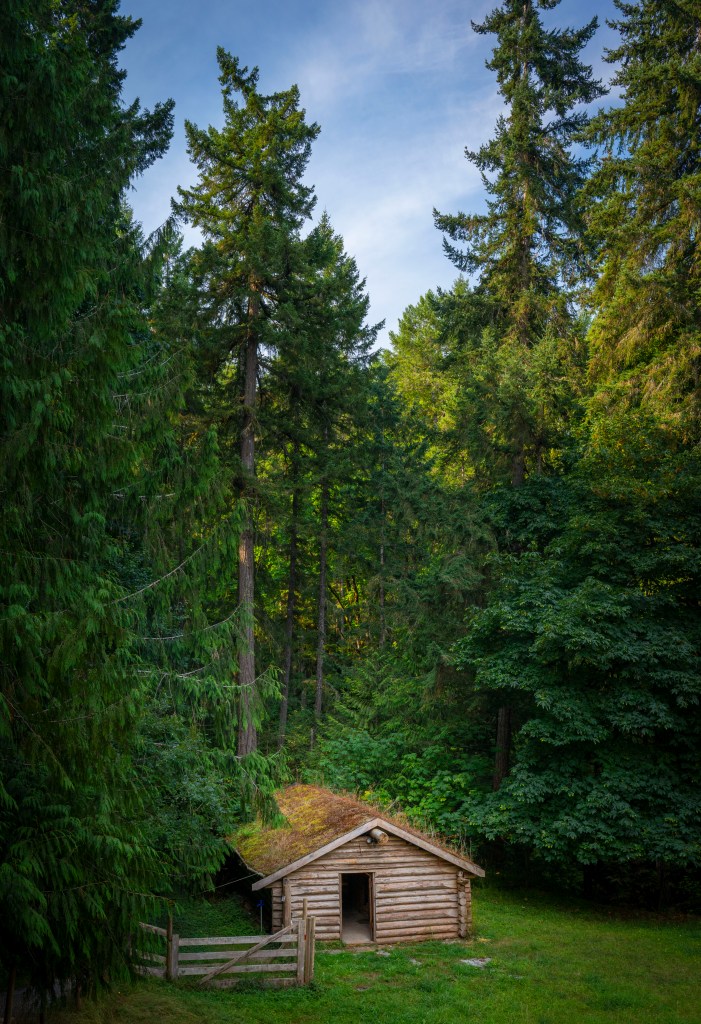
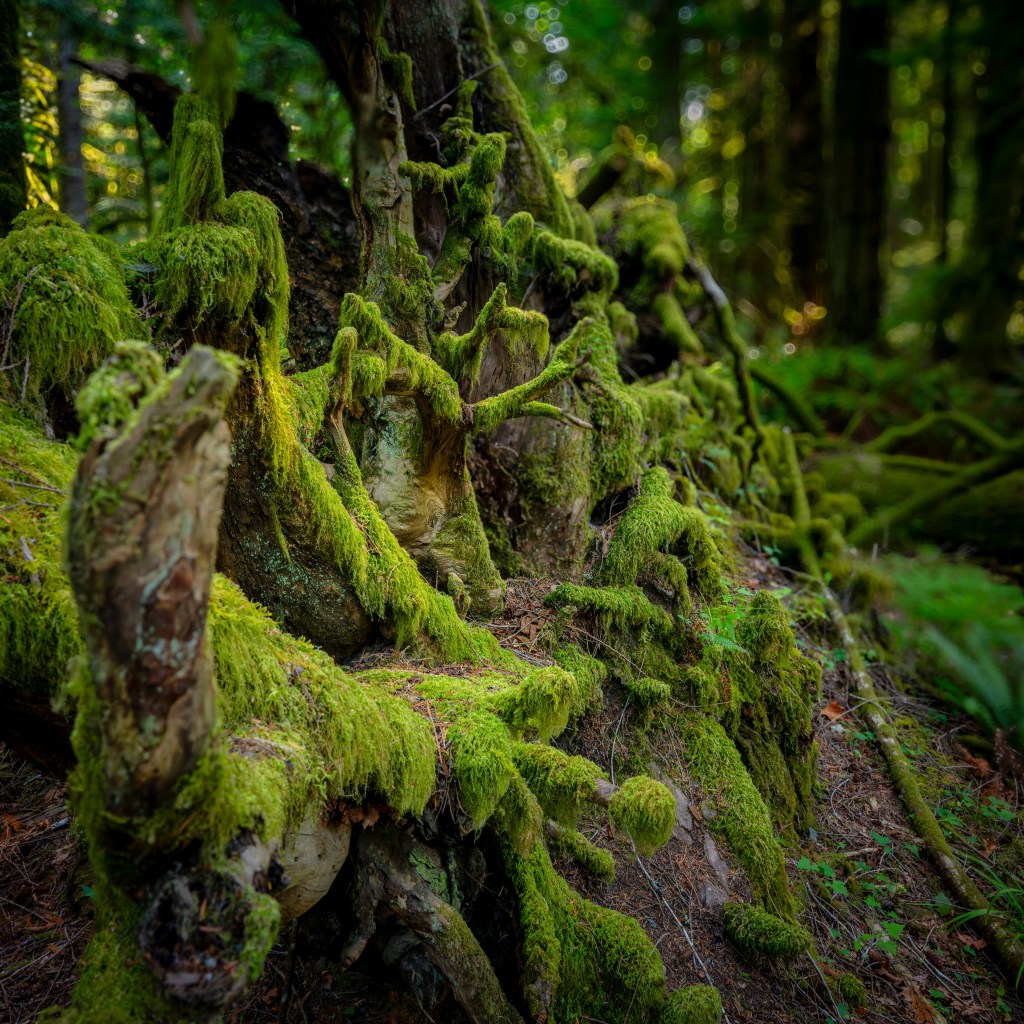
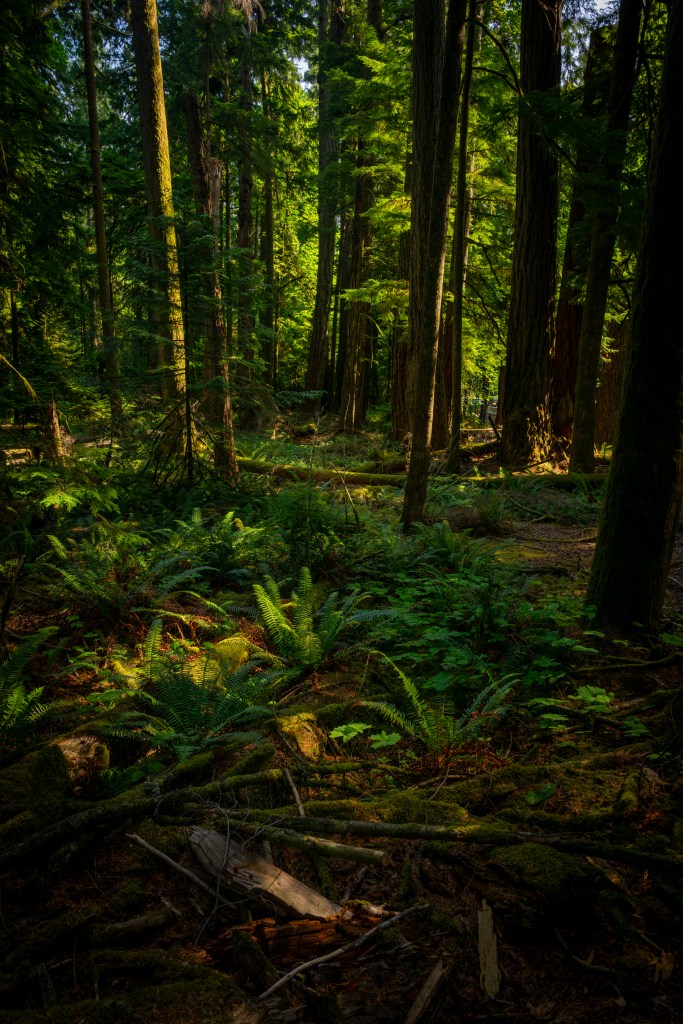
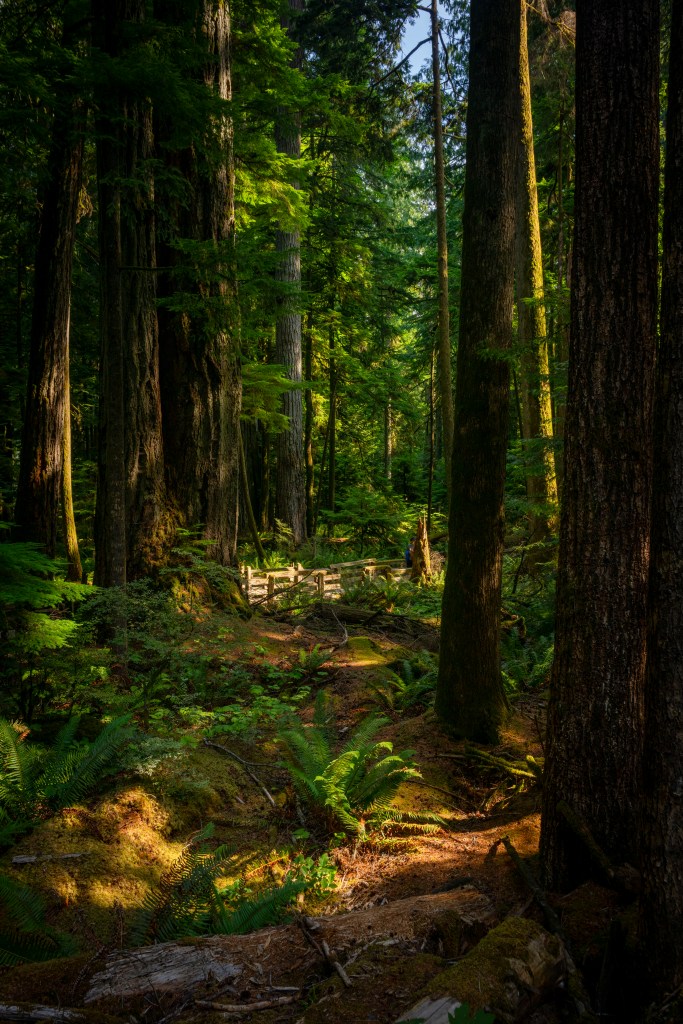
A short distance farther on, Cathedral Grove offers a complete change of pace. The boardwalks through MacMillan Provincial Park wind beneath towering Douglas firs, mosses, and ferns, creating a cool, green world of repeating lines and immense scale. It is an ideal place to work with texture, depth, and filtered light—especially on overcast days when the forest becomes evenly illuminated. For more, see Macmillan Park.
Tofino
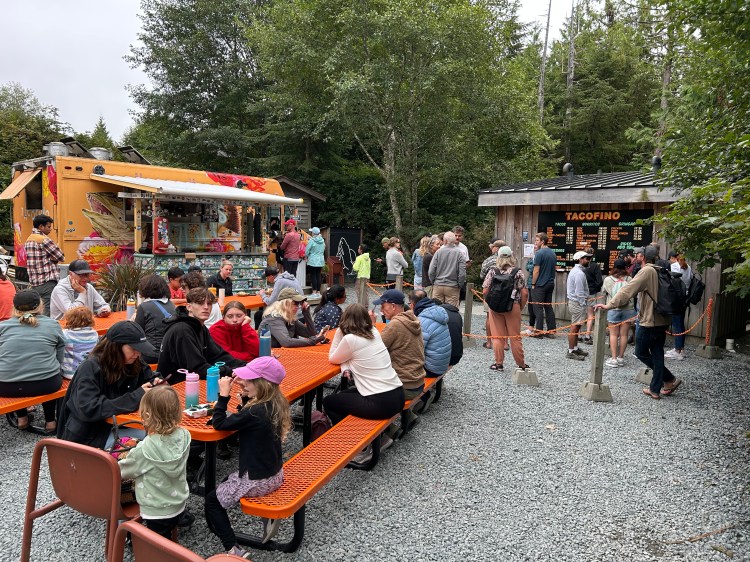
Tofino is a small west-coast community with an outsized photographic personality. Set near Pacific Rim National Park Reserve and surrounded by long beaches, rainforest, and open ocean, it blends surf-town ease with increasingly refined restaurants, shops, and places to stay. Beneath the polish, the essential feeling remains the same: weathered boards, wetsuits, Volkswagen campers, surf shops, and that relaxed coastal energy that defines the West Coast.
Tonquin Beach Trail
The Tonquin Beach Trail begins close to Tofino and descends through lush rainforest toward the shore. At roughly 0.6 kilometres to the beach, it is short but atmospheric, with moss, cedar, and Douglas Firs framing the path. The hard-packed trail and boardwalk sections make access straightforward, though the return climb naturally asks for a little more effort.
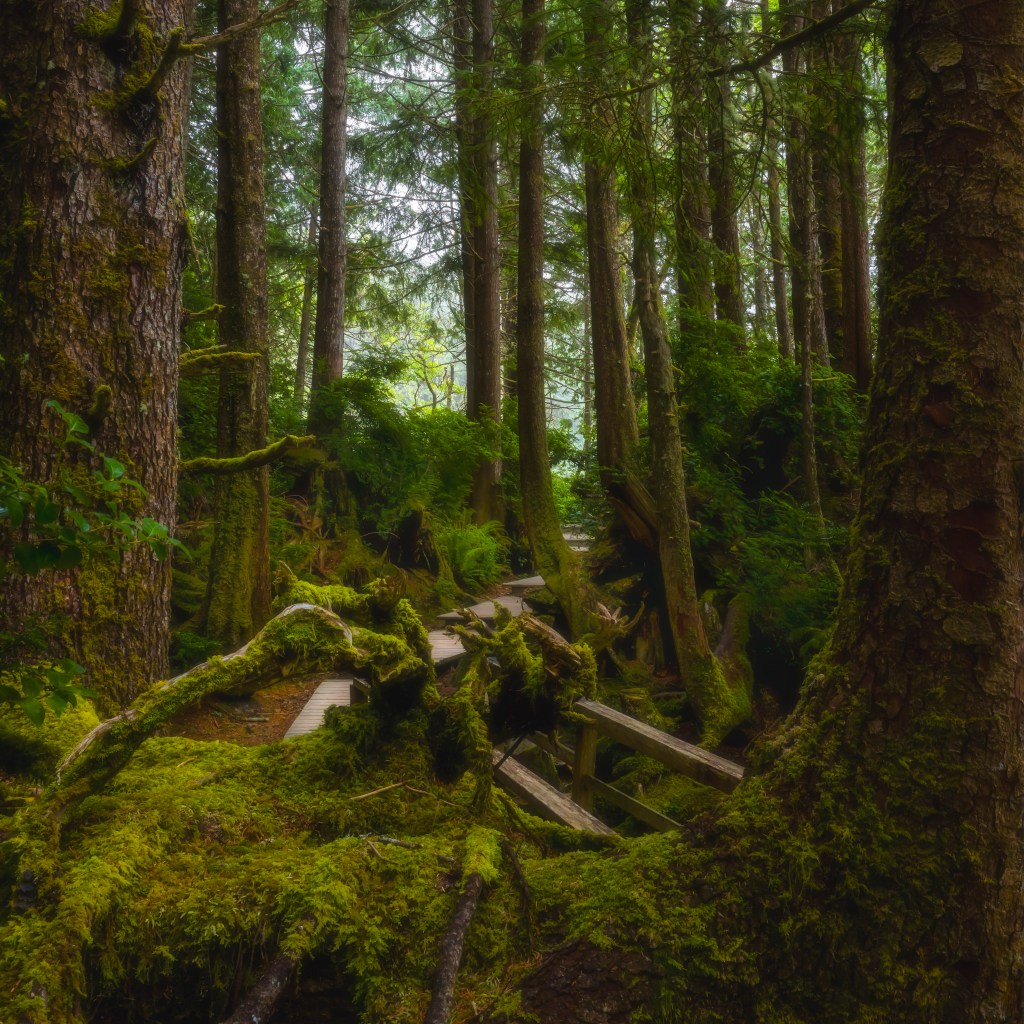
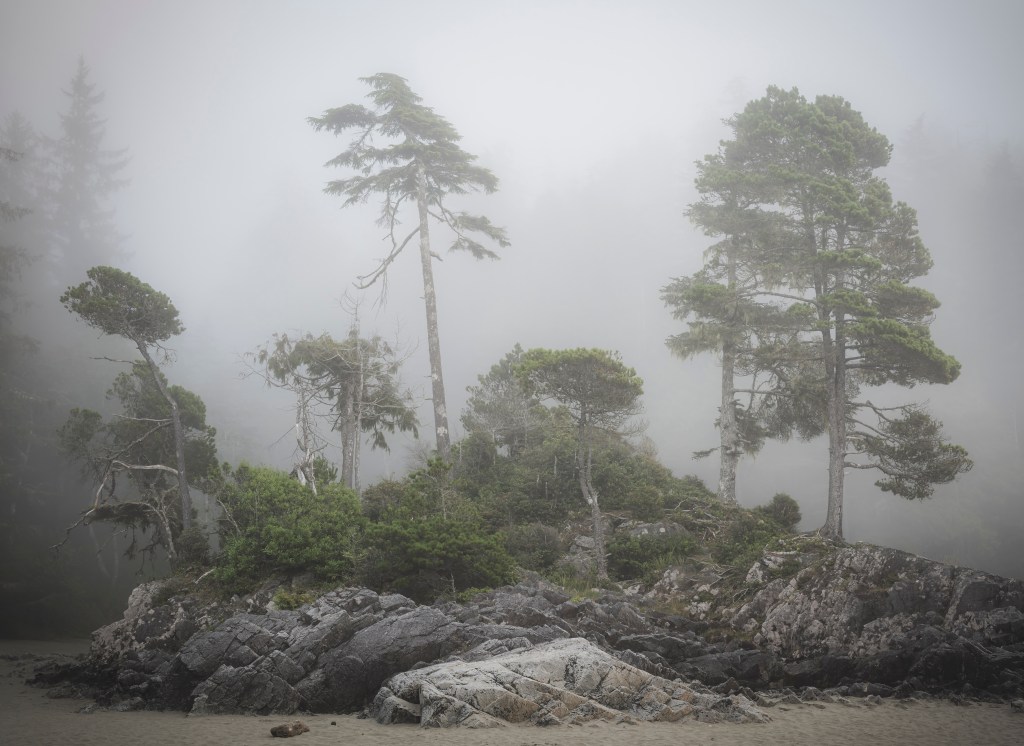
Tonquin Beach itself feels intimate, enclosed by forest and shaped by rocky outcrops, small inlets, and shifting marine light. It is a strong location for quieter compositions: foreground rocks, fog-softened backgrounds, and frames that emphasize enclosure rather than scale. For a longer walk, the trail network continues toward Middle Beach and Mackenzie Beach, with opportunities to build a visual story along the way.
Tinwis (or Mackenzie) Beach
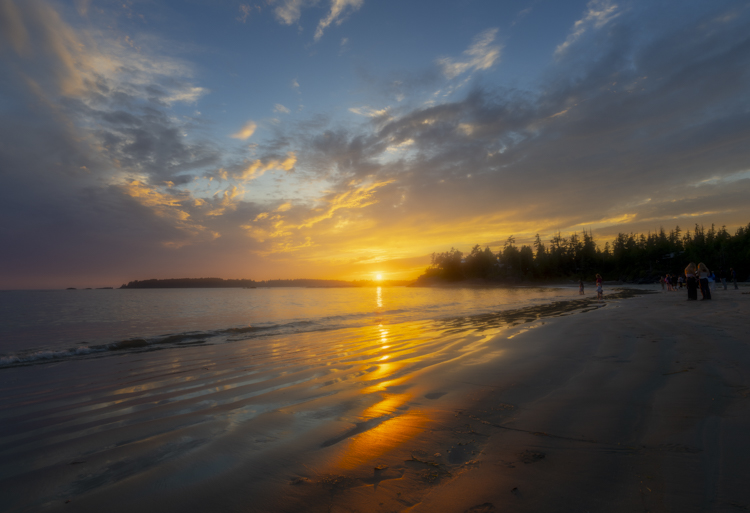
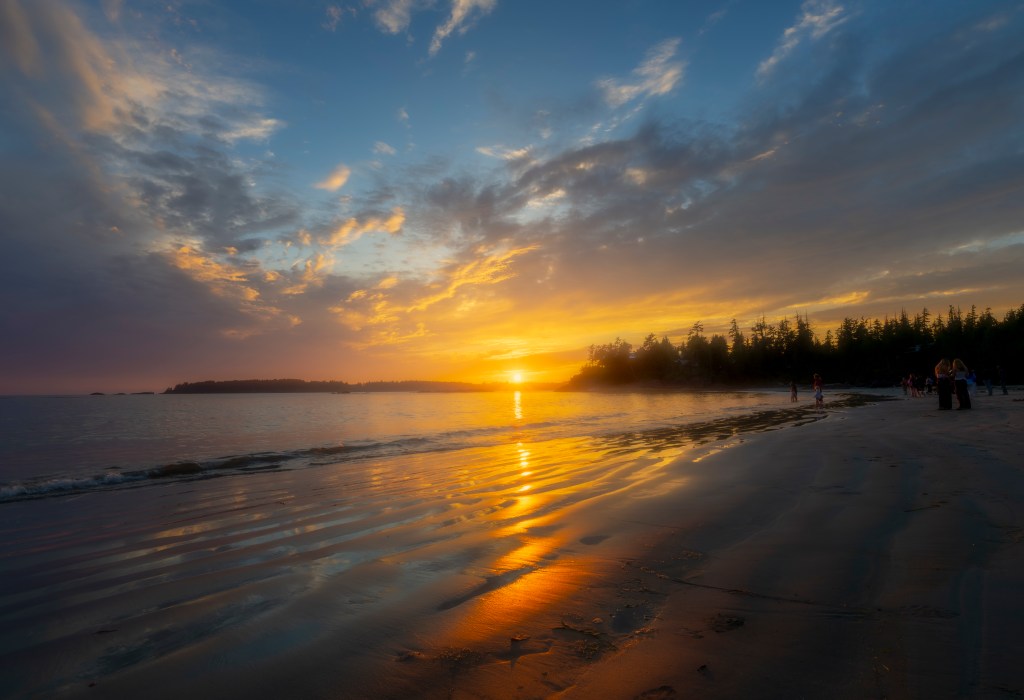
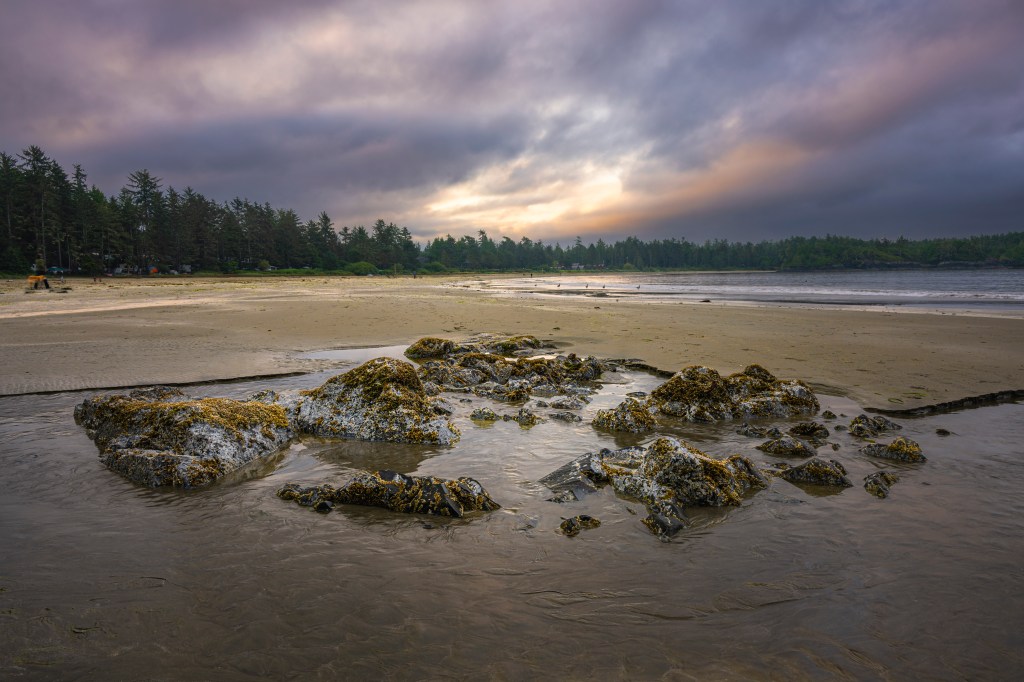
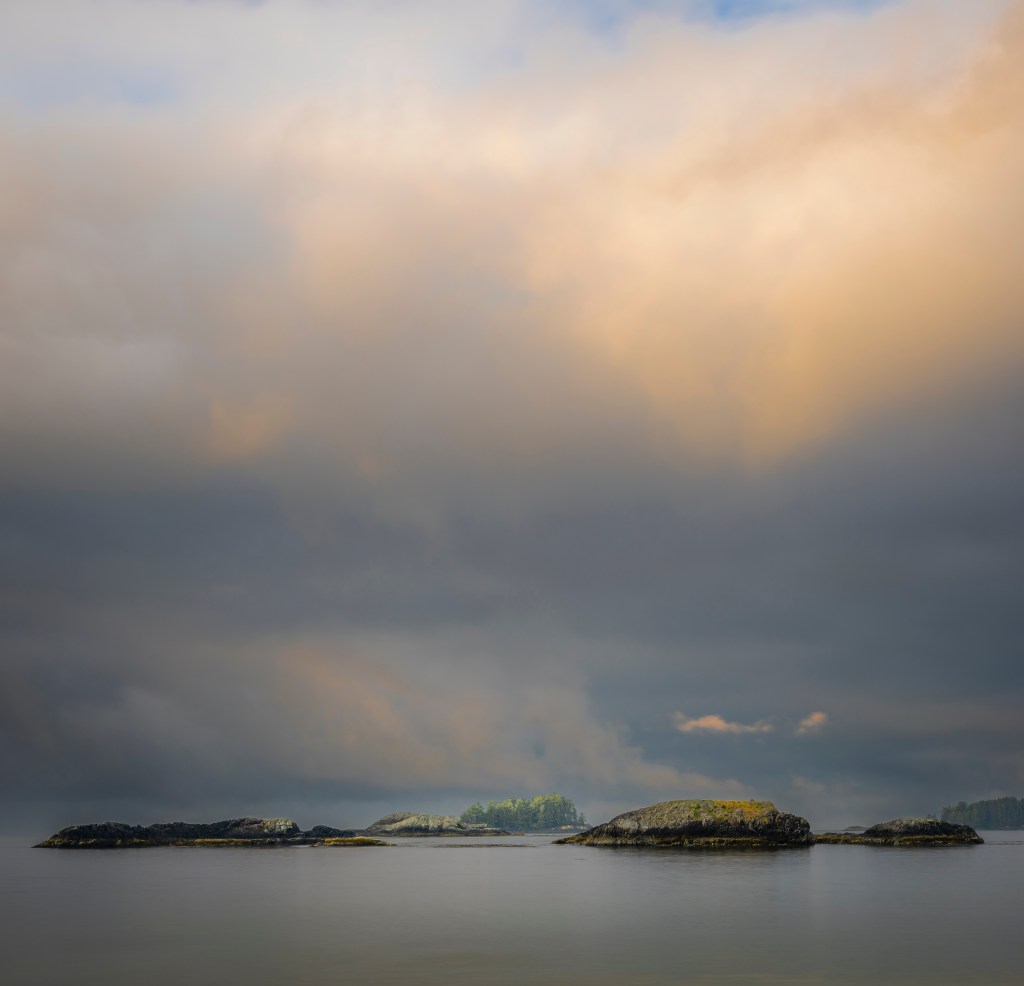
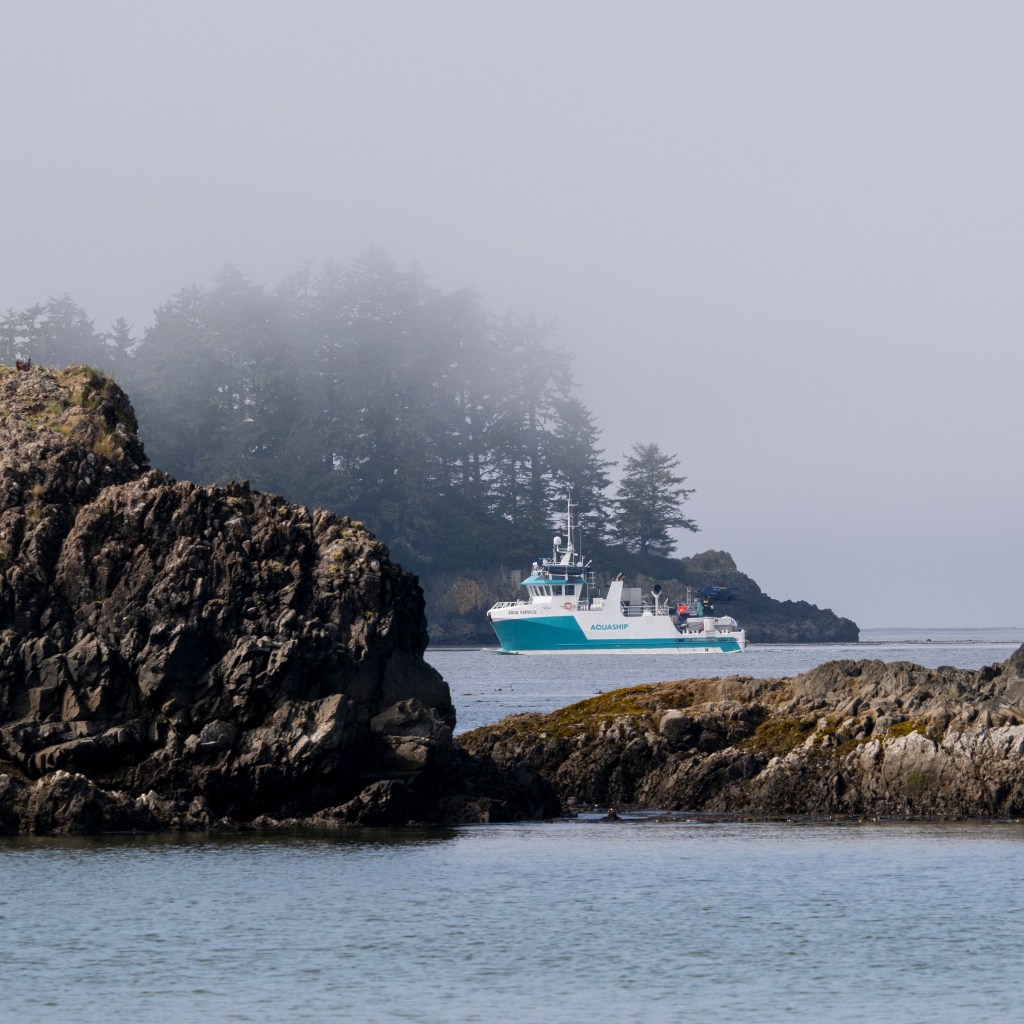
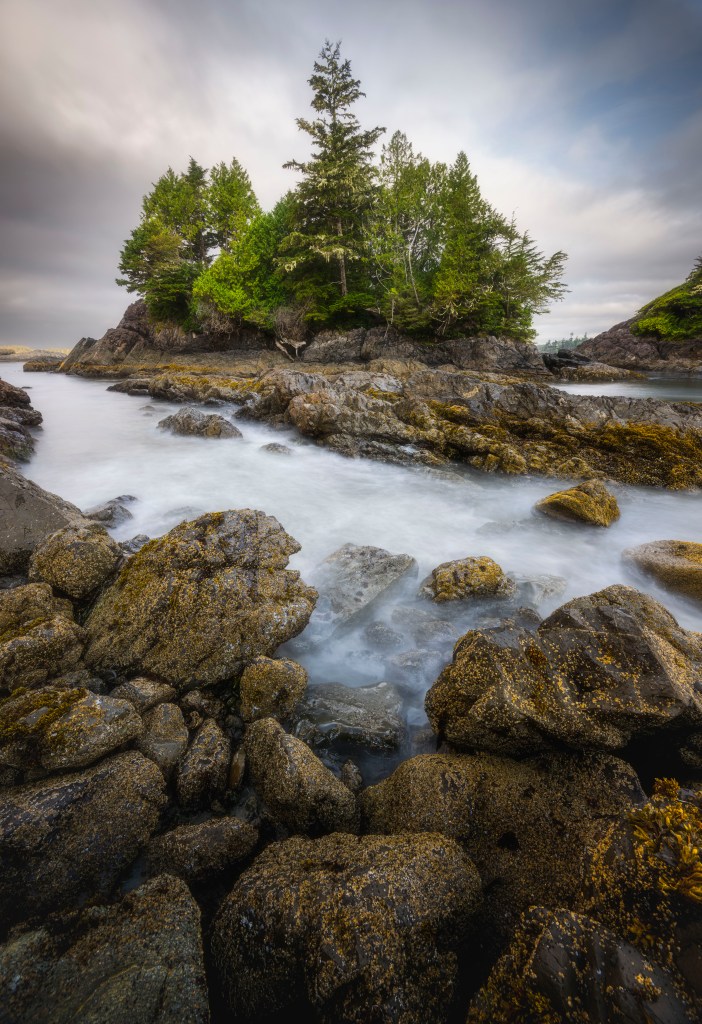
Mackenzie Beach, about 15 minutes south of Tofino by car, offers a wide sandy shoreline with calmer water when conditions are gentle and dramatic movement when the weather turns. Facing west, it is especially rewarding near sunset, when families, surfers, tidal pools, offshore rocks, and the darkening tree line all become part of the scene. Walking toward the tidal pools around Ponsford Island adds both perspective and a welcome stretch of coastline to explore.
Enjoying this guide? I publish about one new guide a month, so why not subscribe to get new location breakdowns, field notes, and practical shooting tips on my future posts.
Mackenzie Beach Scenes
Rain Forest Trail
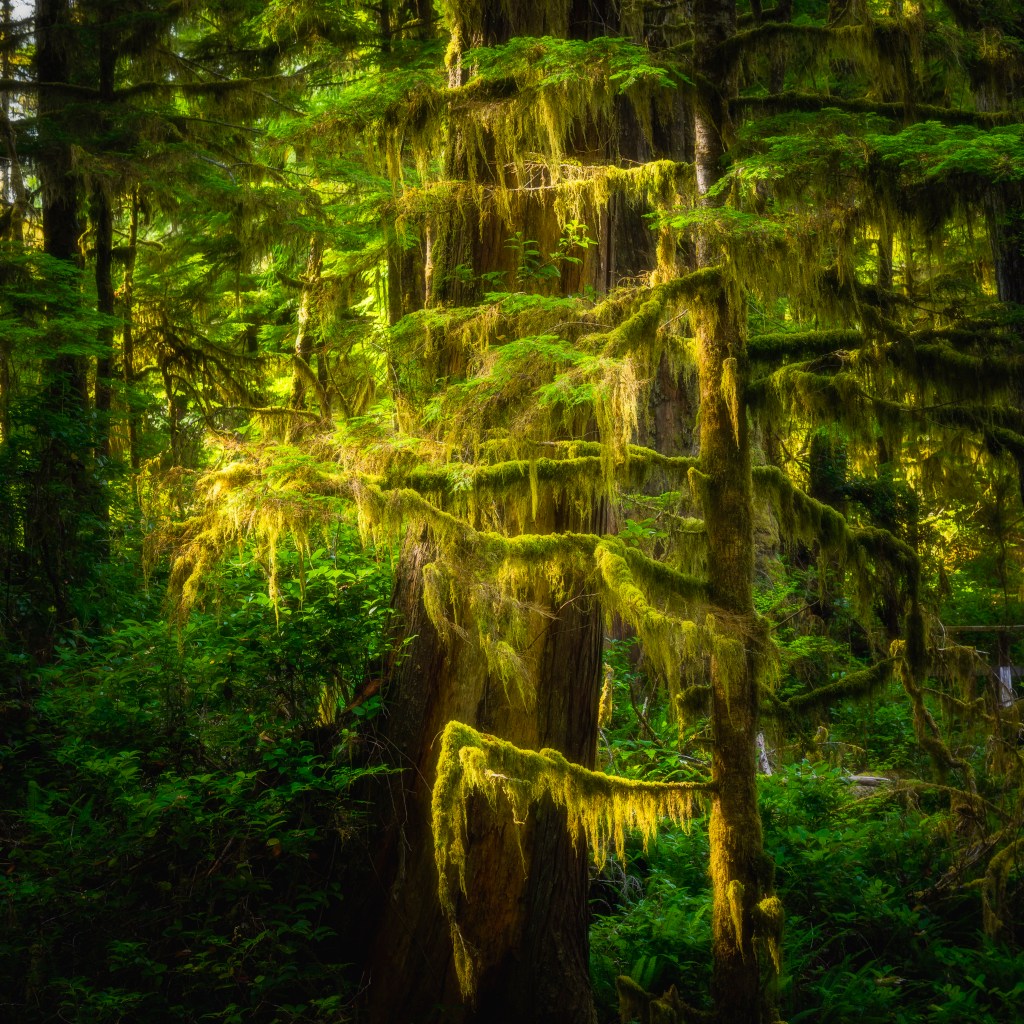
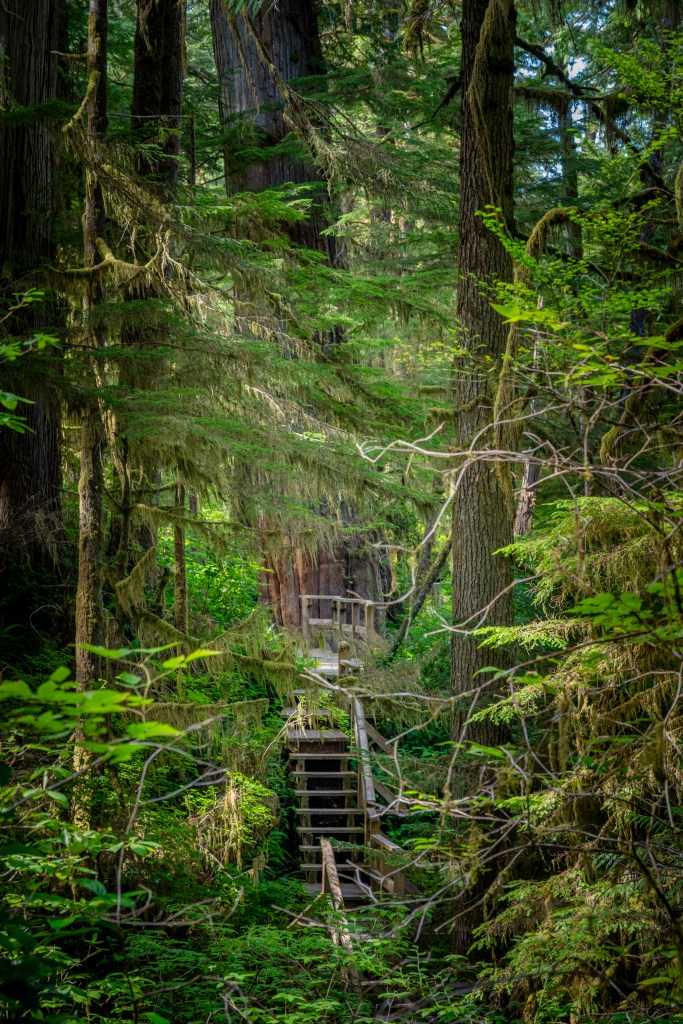
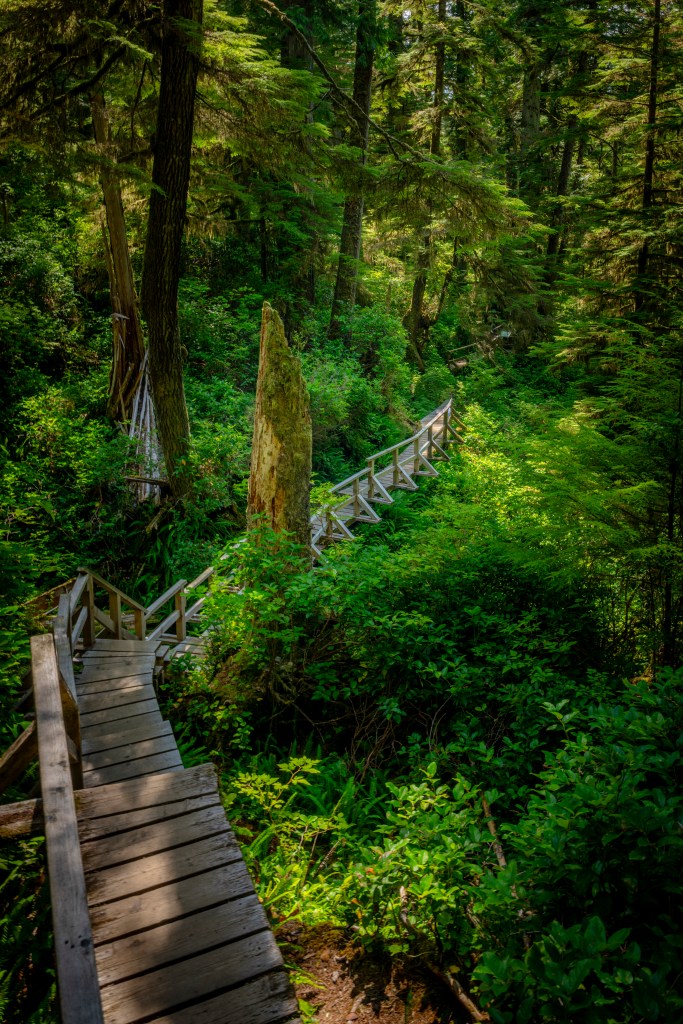
About half an hour south of Tofino, the Rainforest Trail in Pacific Rim National Park Reserve offers two short loops—one on each side of the highway—through some of the west coast’s most atmospheric forest. Together, the trails are roughly 2.5 kilometres and combine wooden boardwalks, rough gravel, layered greenery, and enormous trees. In cloudy, misty, or rainy conditions, this is exactly the kind of place where the camera starts to see depth everywhere.
Victoria
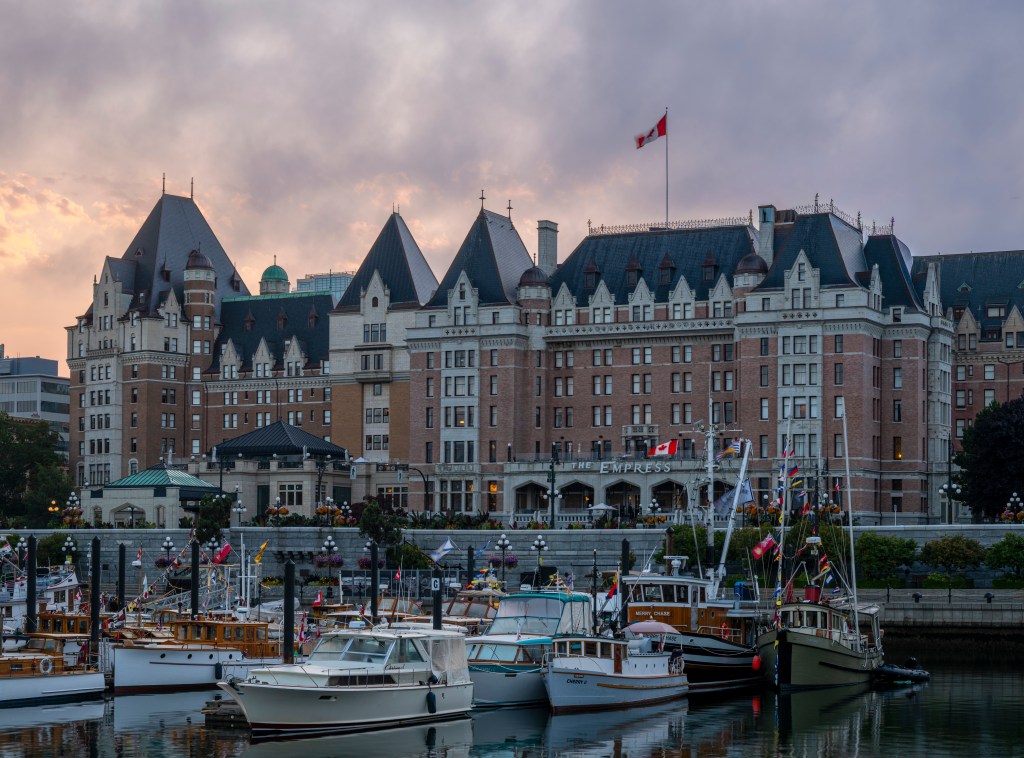
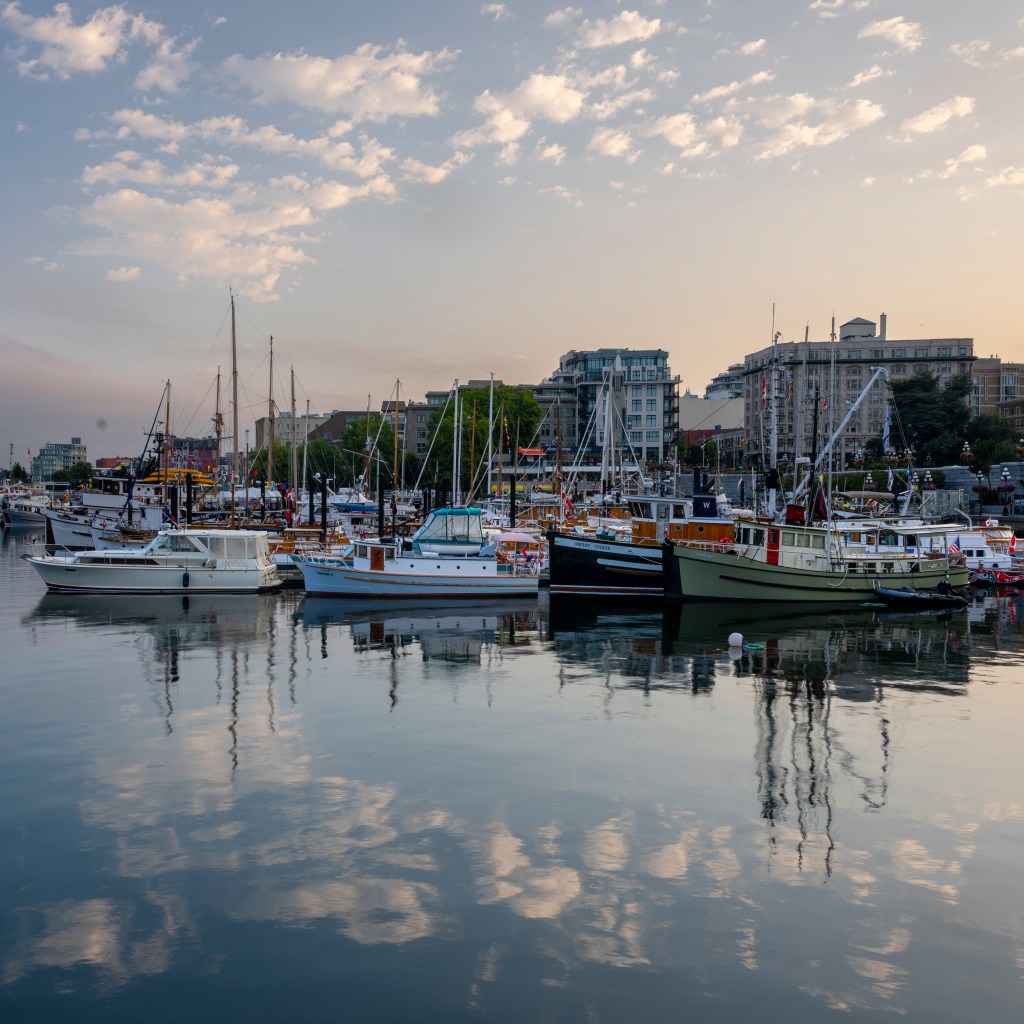
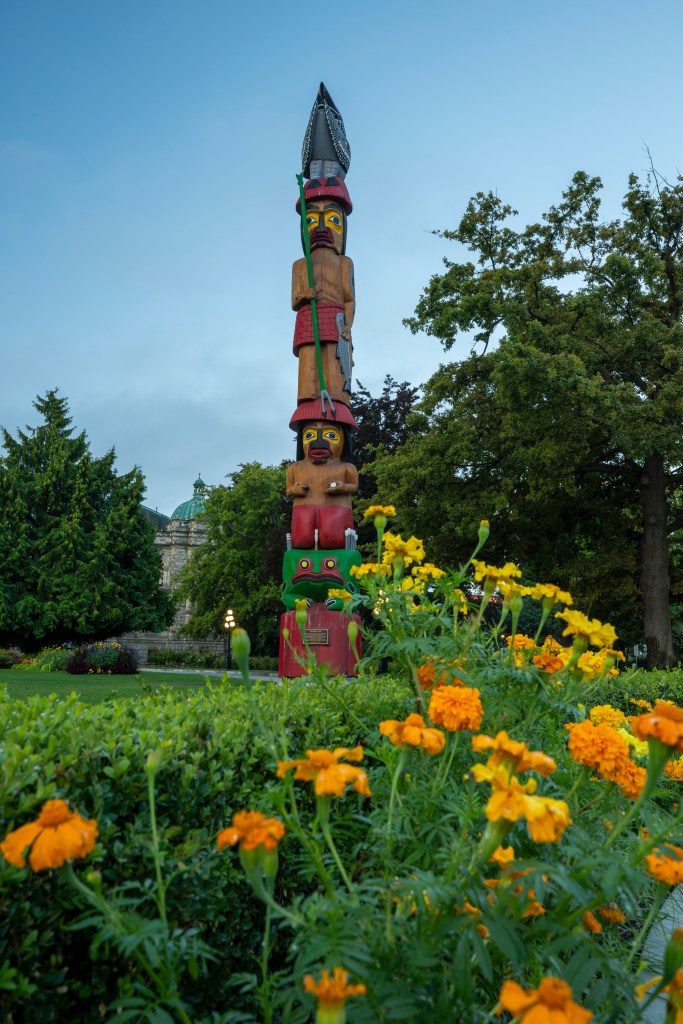
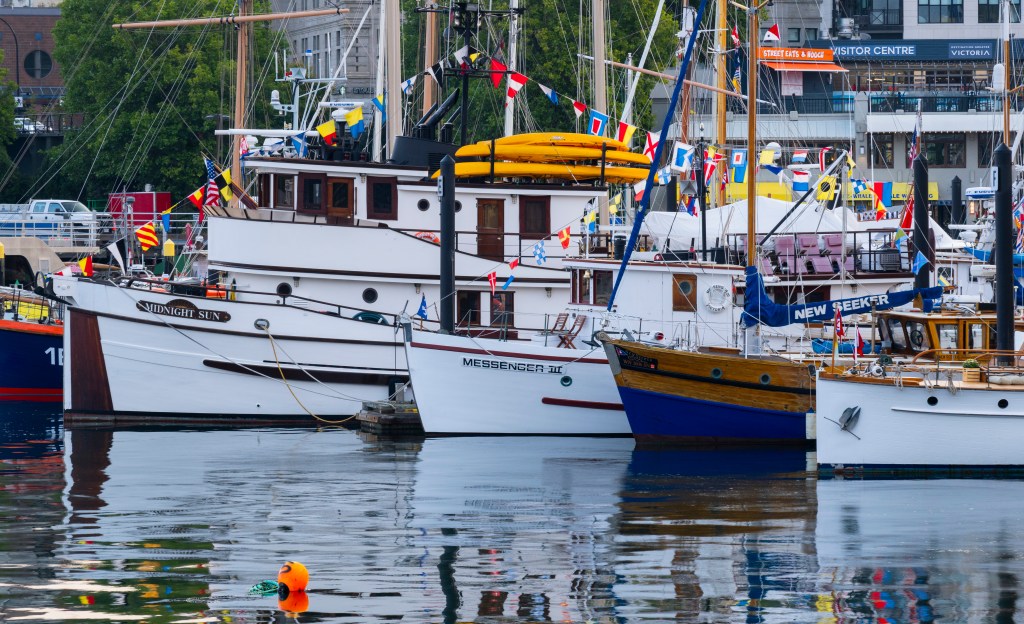
Victoria is the island’s largest urban centre and a compelling counterpoint to the wildness of the west coast. It has polished hotels, excellent restaurants, university life, tourism energy, and a mild coastal climate that makes it especially popular year-round. From a photography perspective, it offers a different kind of subject matter: architectural lines, harbour reflections, public art, gardens, and daily life along the waterfront.
Named for Queen Victoria and established in the 1840s, Victoria remains one of Canada’s most visually distinctive capital cities. The Fairmont Empress, opened in 1908, and the British Columbia Parliament Buildings, completed in 1897, dominate the Inner Harbour with a formal elegance that photographs beautifully in changing light. The city’s Chinatown—one of the oldest in North America—is also well worth exploring for colour, texture, and layered street scenes.
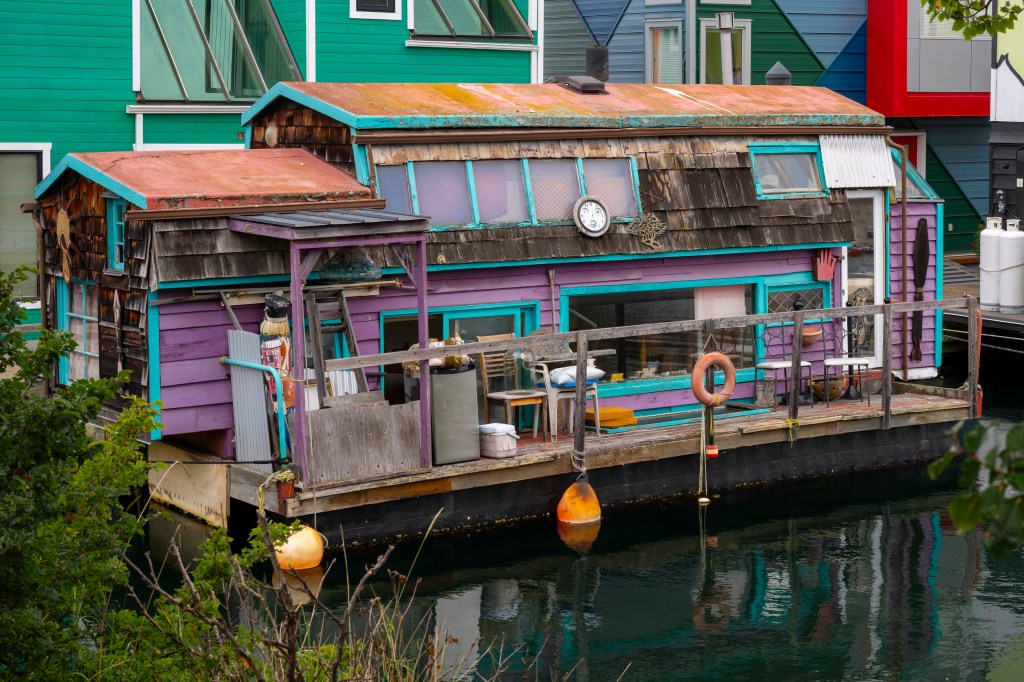
Victoria is best experienced on foot, with a camera ready for the small transitions between heritage architecture, harbour activity, and coastal life. Fisherman’s Wharf adds another dimension, with floating homes, water taxis, and a more casual rhythm on the edge of the bay. It is an easy place to wander without a fixed plan and still come away with a varied set of images.
Niagara Falls
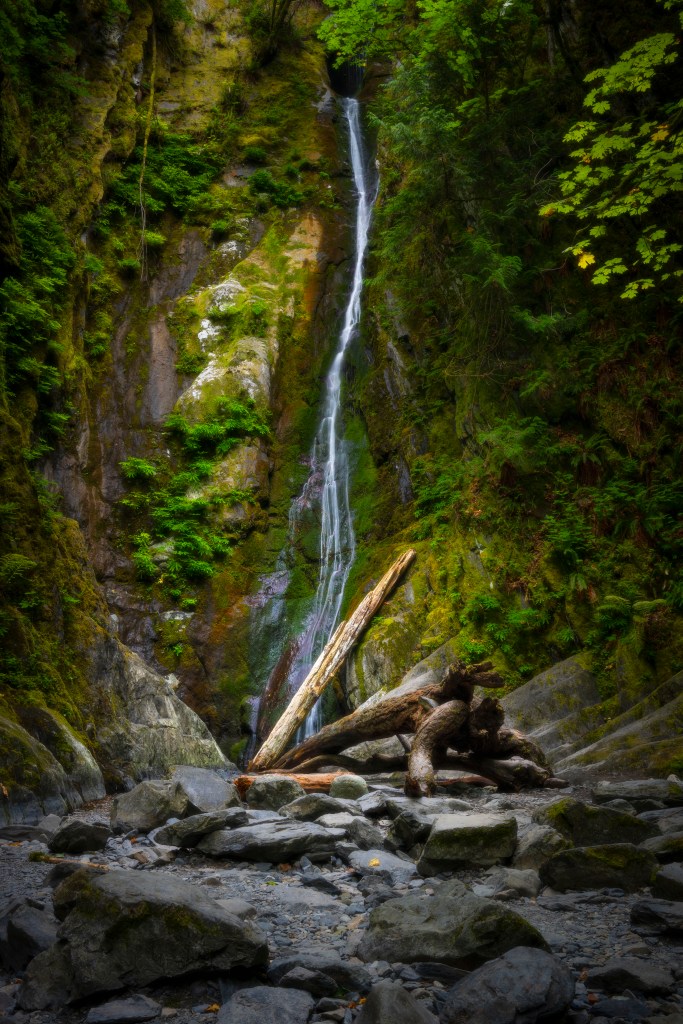
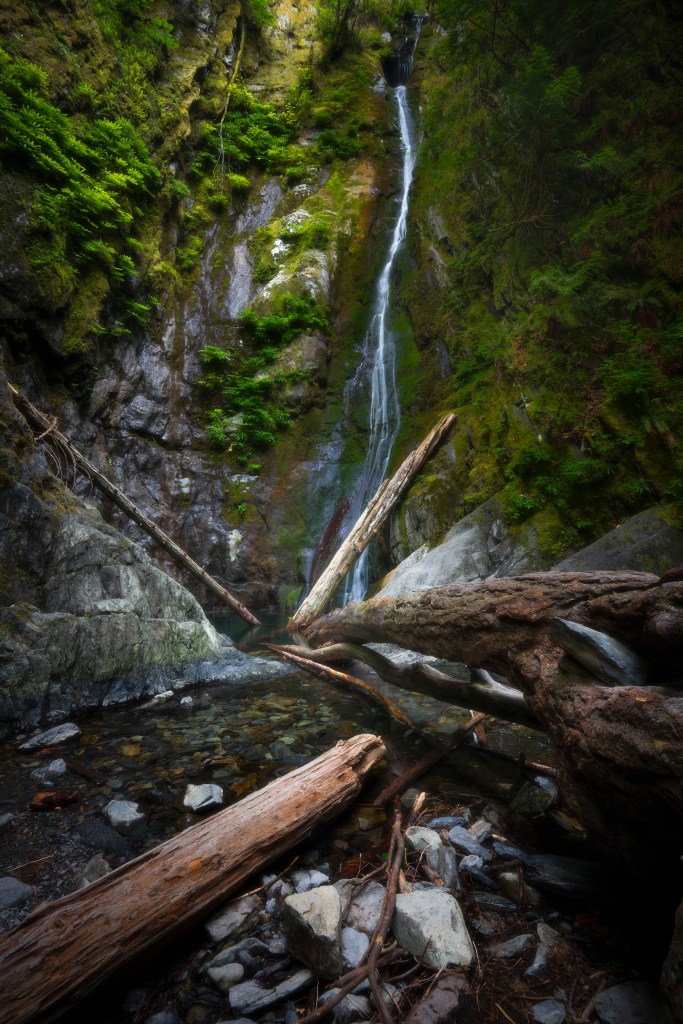
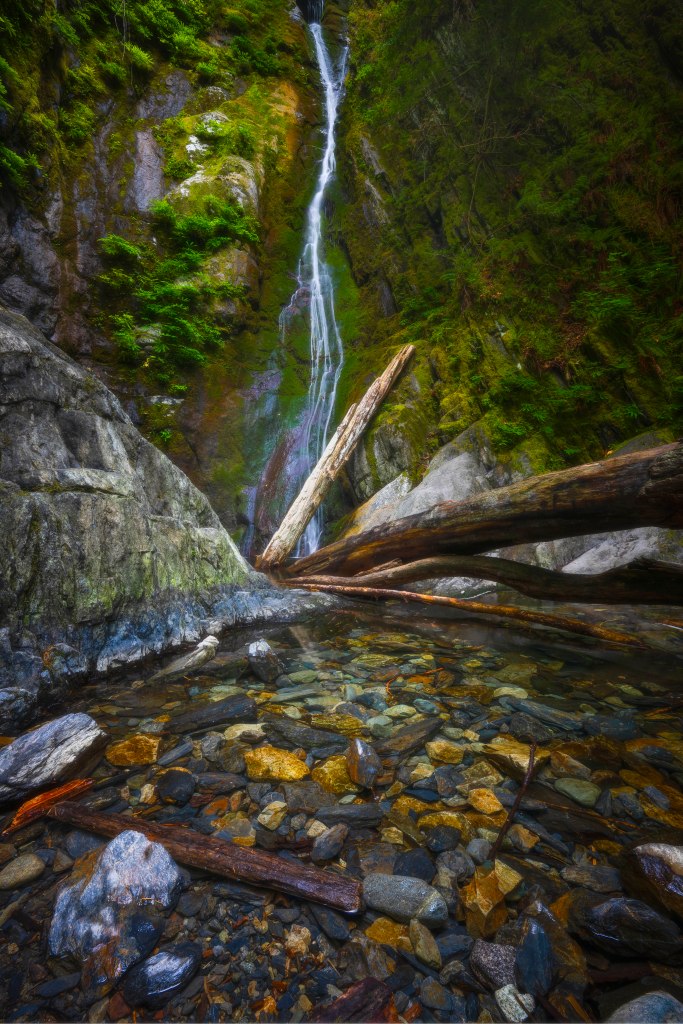
Yes, Victoria has its own Niagara Falls—though not on the same scale as its more famous cousin in Ontario. This smaller waterfall is located in Goldstream Provincial Park, about half an hour from downtown Victoria, tucked into a gorge of moss, ferns, and conifers. During my visit, the summer had been unusually dry, so even a modest flow felt like a gift. I photographed the falls from three progressively closer perspectives, each one changing the balance between setting, movement, and detail. Comment about which one you like best.
Butchart Gardens
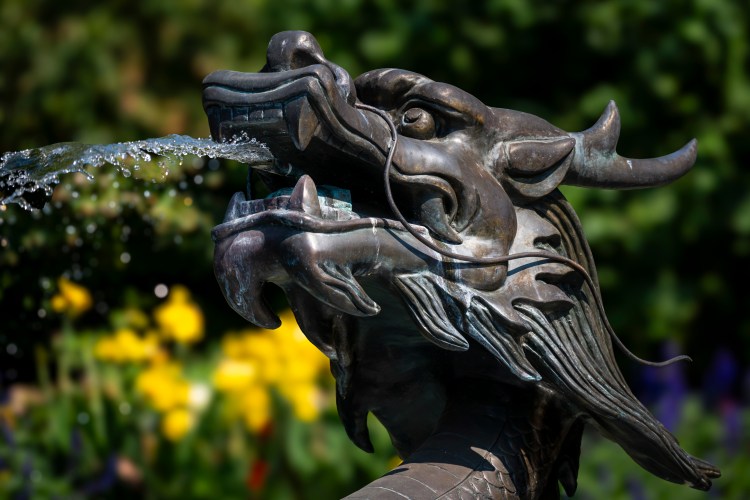
Butchart Gardens is another essential stop in the Victoria area and offers a completely different visual language from the beaches and forests. What began as a limestone quarry for a cement factory was transformed, through the vision of Jennie Butchart, into one of the region’s most celebrated gardens. I spent much of my time in the Japanese Garden, where refined design, layered planting, and controlled colour created a more intimate style of composition.
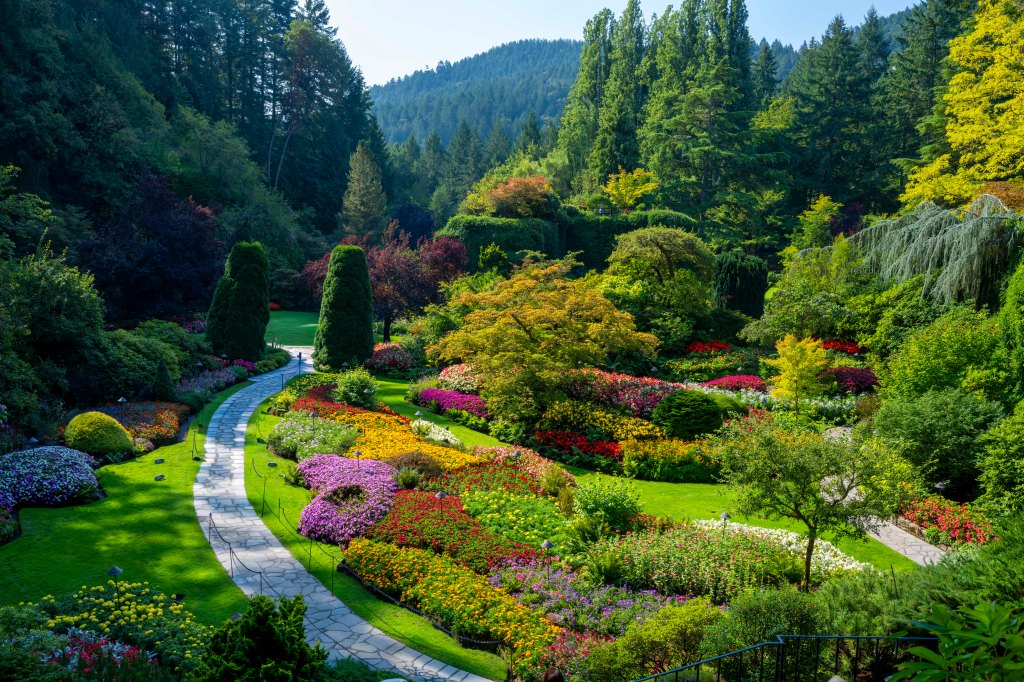
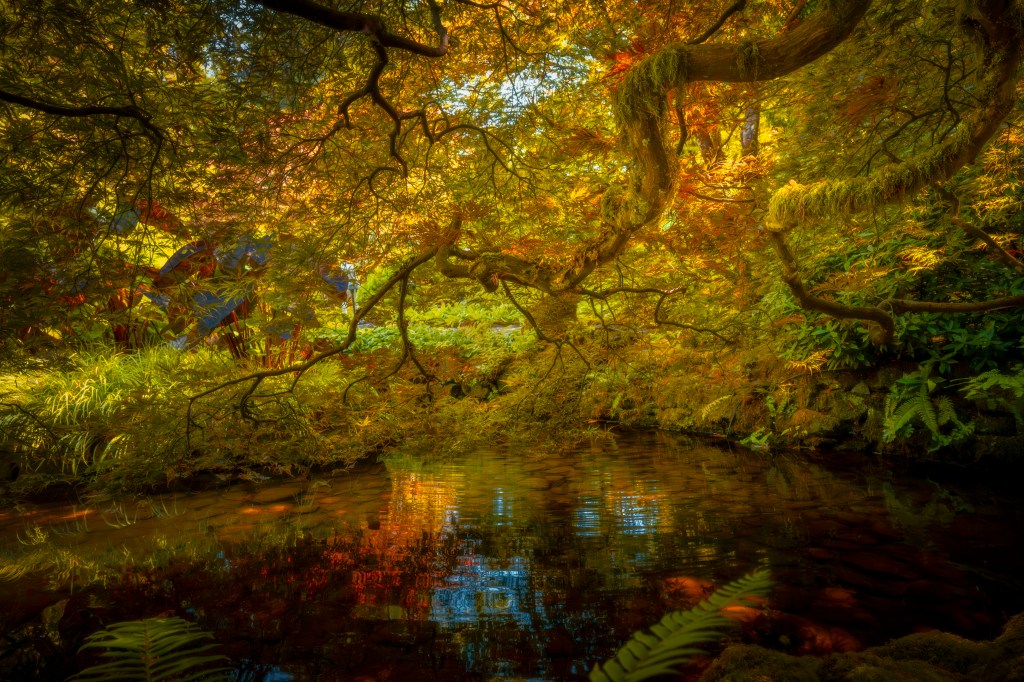
I must have taken around 200 frames of the Japanese maple alone, working to find the right relationship between branch, background, and depth of field. The main branch sat barely two feet above the ground, which meant I was crouching down on hands and knees, adjusting slowly, and paying close attention to alignment. It was a good reminder that garden photography often rewards patience, precision, and a willingness to get physically uncomfortable for the frame.
Want more guides like this? Subscribe for new locations, composition breakdowns, and field-tested gear notes on my future posts. I publish a new post about once a month – subscribe to make sure you don’t miss it.
Photography Tips for Vancouver Island
If you are planning to photograph Vancouver Island, the following approaches can help you make the most of its coastal light, rainforest texture, and constantly changing weather.
- Lens range: A wide-angle and mid-range zoom will cover much of the landscape work, but consider bringing a longer telephoto if wildlife or surfing is part of your plan. Bald eagles are common around the beaches, and a longer lens gives you far more flexibility when subjects remain distant.
- Weather conditions: The west coast can shift quickly from clear skies to fog, cloud, or rain. Rather than treating that as a problem, build your shooting around it. Fog creates separation, cloud softens harsh contrast, and changing skies can add mood to even the simplest beach scene.
- Rainforest light: Overcast days are ideal for forest photography. Soft light reduces bright hotspots, while mist and moisture bring out greens, textures, and depth. Slow down, use a stable shooting position, and look for repeating forms in trunks, ferns, and boardwalks.
- Timing your visit: Early mornings, late evenings, and the hour before sunset generally offer fewer crowds and more atmospheric light. In coastal towns and popular viewpoints, arriving early also gives you more time to scout compositions before the scene becomes busy.
Final Thoughts
Whenever I visit a new place, I find myself wondering whether I will return—and, if I do, how I would approach it differently. Vancouver Island left me with that question in the best possible way. A week was enough to experience Nanaimo, Tofino, Victoria, and several remarkable stops between them, but not enough to feel finished. Next time, I would give the island more time, especially to wait for light, revisit locations, and let the weather dictate the pace. Late August was a beautiful season to visit, but winter would bring its own appeal: quieter beaches, heavier skies, and the possibility of photographing the island in full storm-watching mode.
More Travel Photography Guides
Check out my Travel Guides for more great photography suggestions such as
- Picture Perfect Lake Louise
- Canmore – Your base for Exploring the Rockies
My Gallery
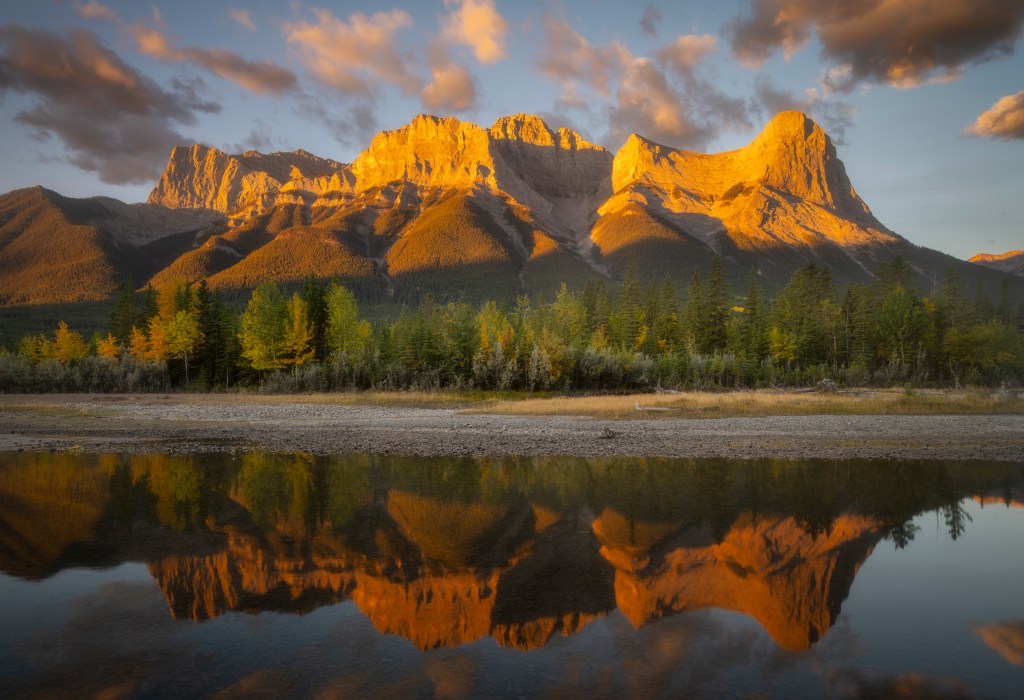
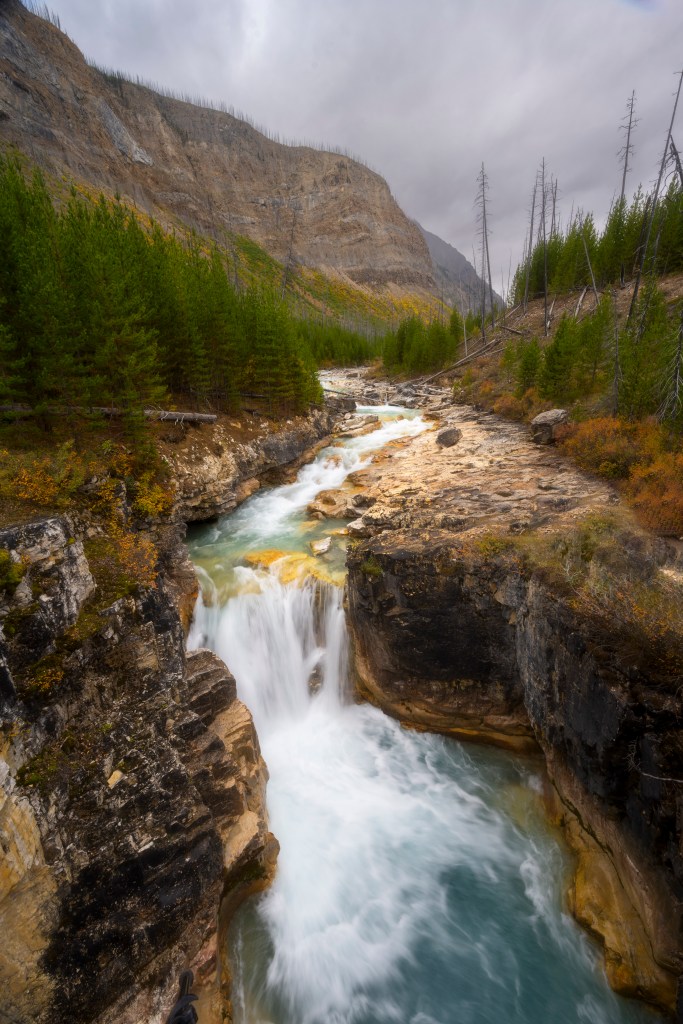
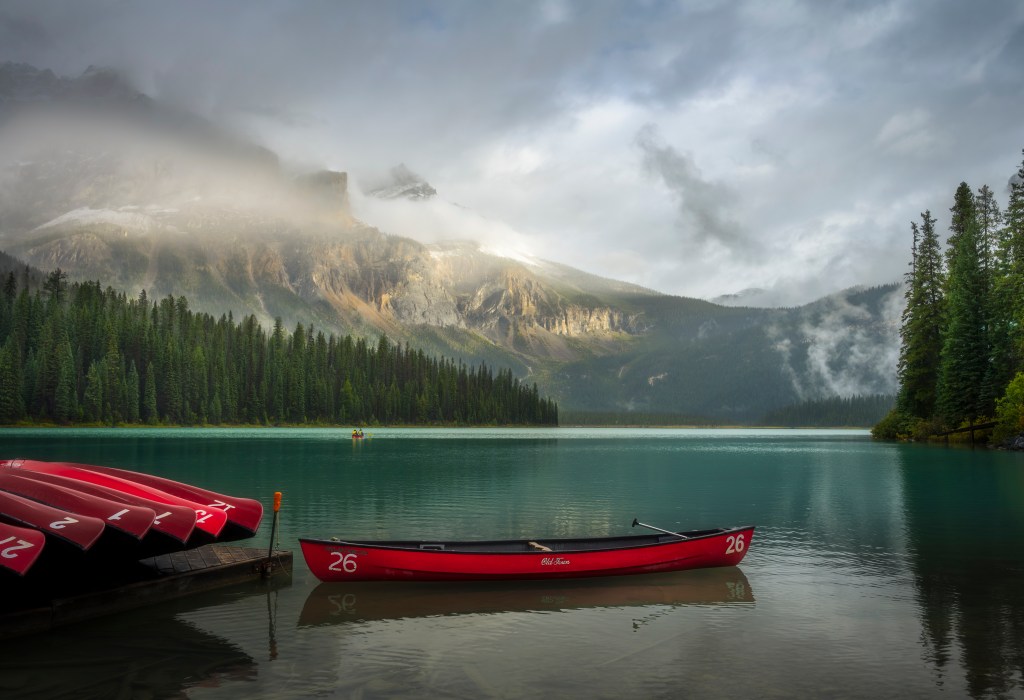
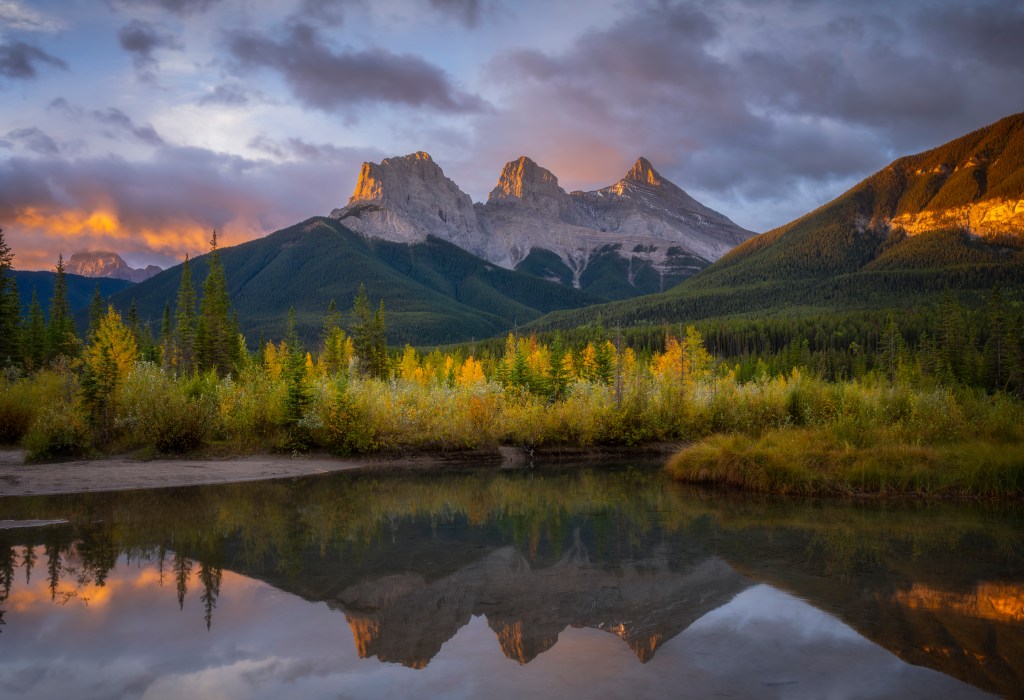
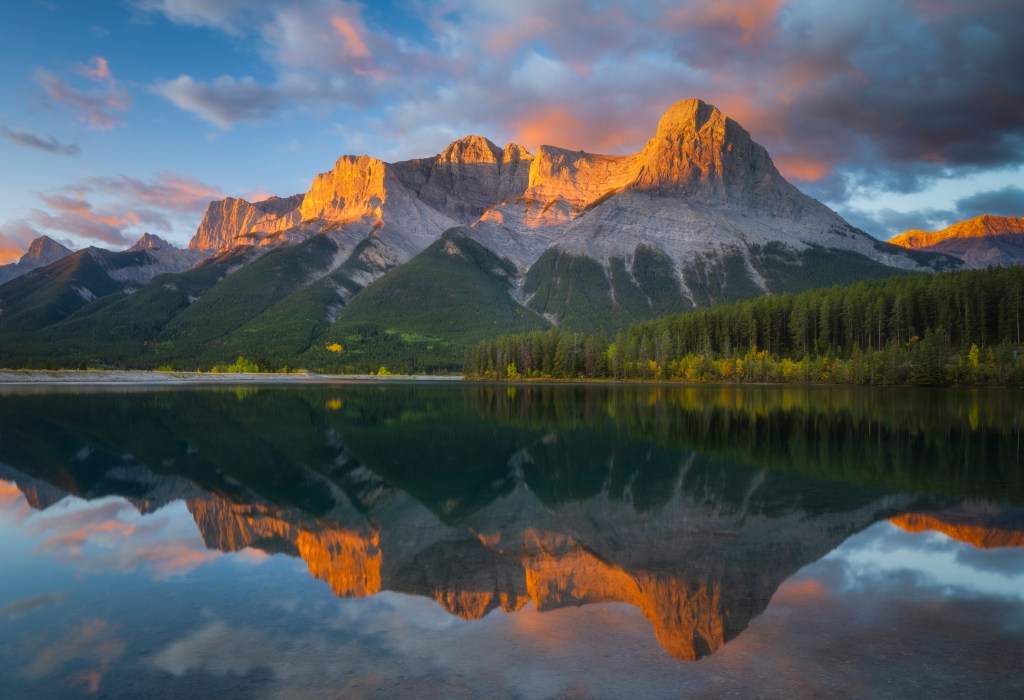
For more great photos of the Rockies, check out my Rocky Mountain Collection here.
I have also partnered with Pictorem, a professional printer who can ship prints anywhere in the world. They can print on a variety of media including metal, acrylic, paper and canvas. They offer a money back guarantee if you are not completely satisfied. If you see an image which you like and it is not available on Pictorem, just contact me here.
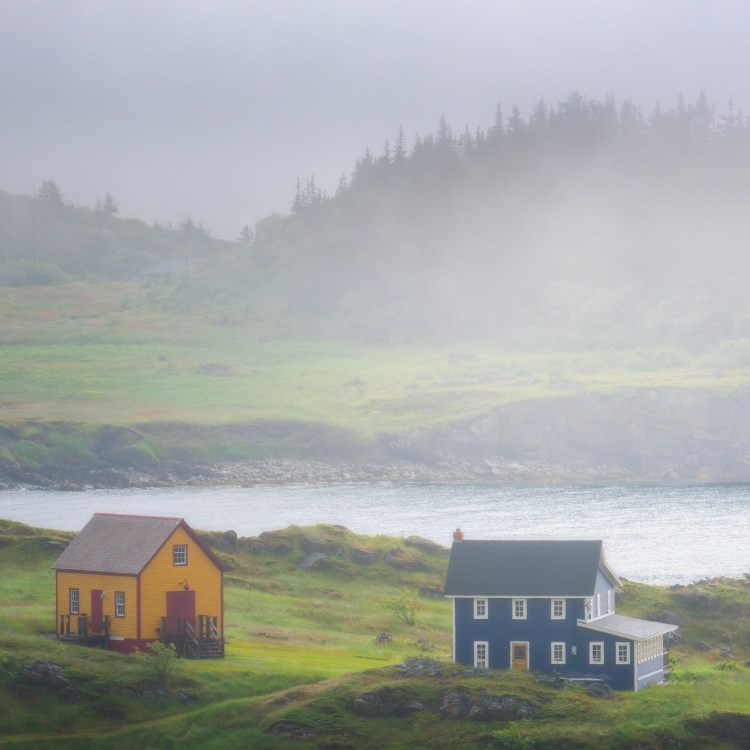
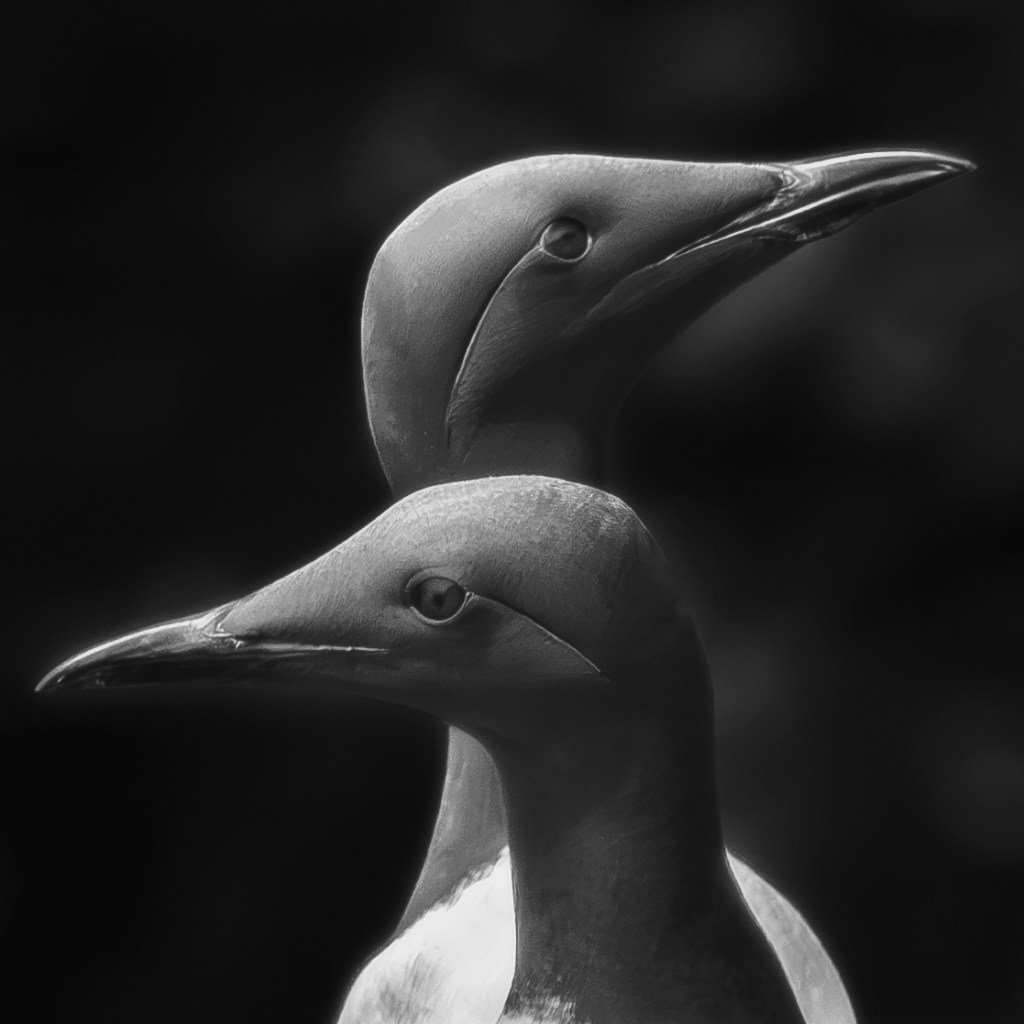
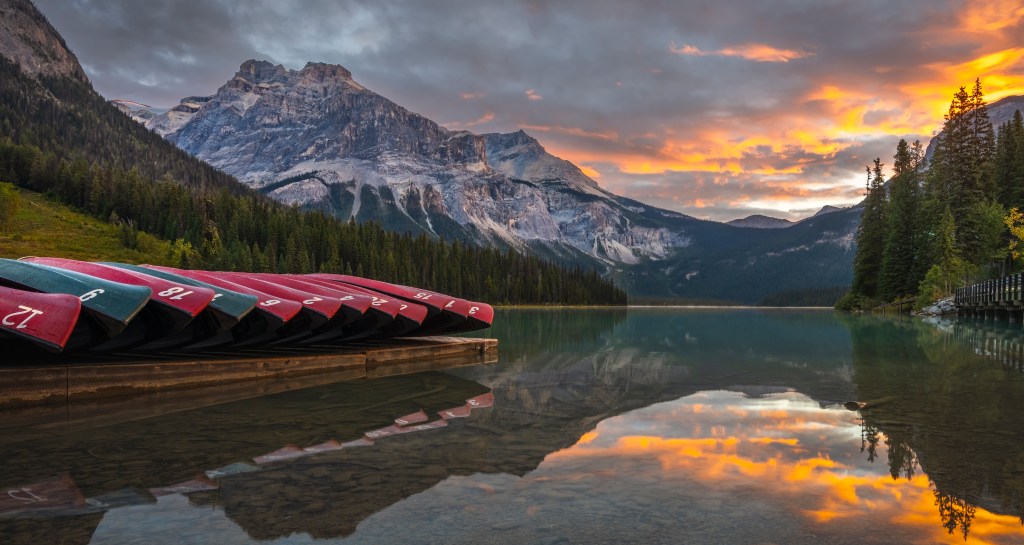
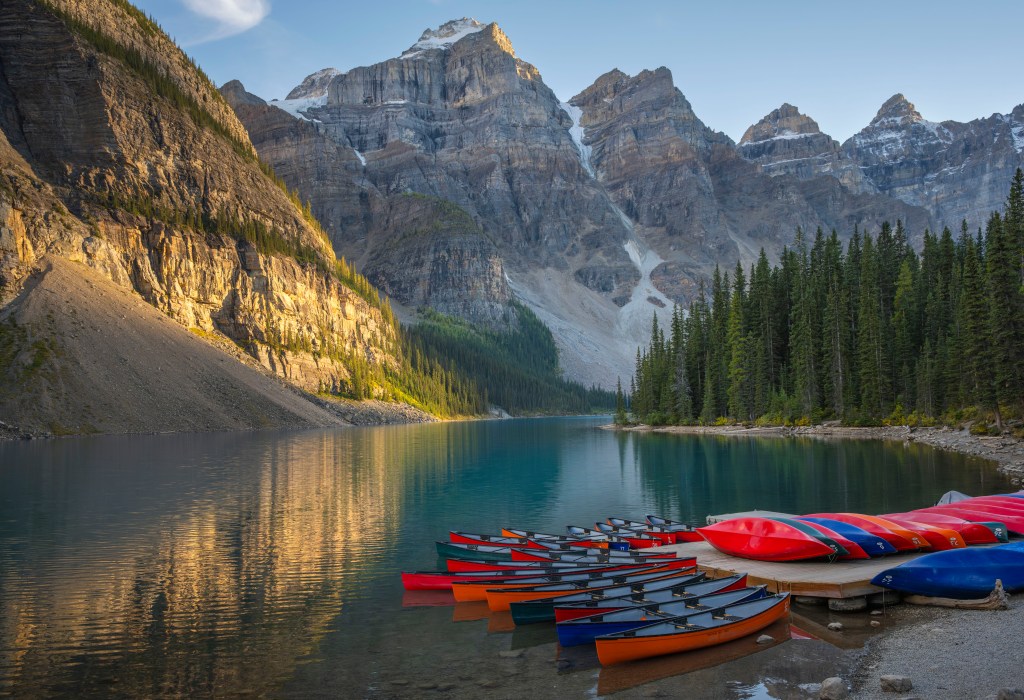
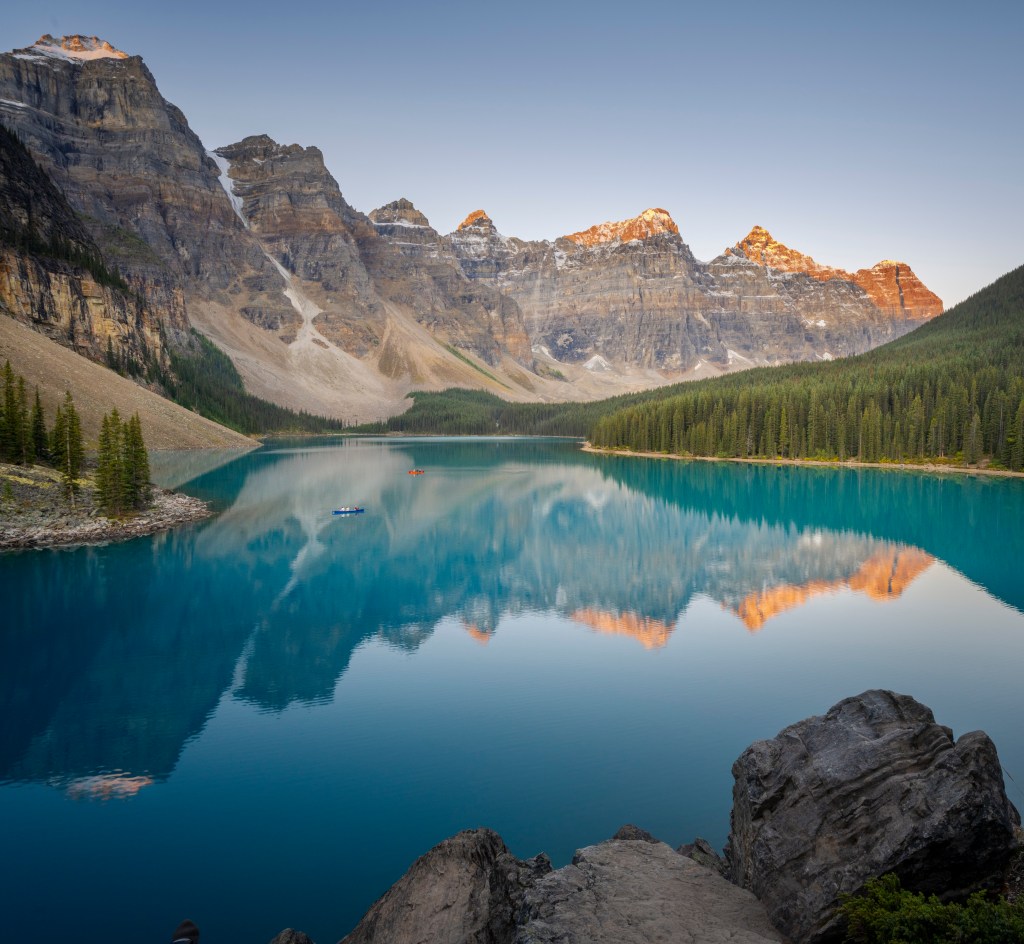
Here are some of my favorites.

To get notifications of my future posts subscribe here.


3 thoughts on “Feeling that West Coast Vibe”
I like the one with the waves.
LikeLike
All three images are great, I can’t decide which one I like best.
LikeLike
Fantastic captures, each and every one of them. I was on Vancouver island just this past May of 2026 and visited all the locations you photographed, all you did for me with your work was bring back great memories…. Thank You for that!!!
R Mayer
LikeLiked by 1 person