
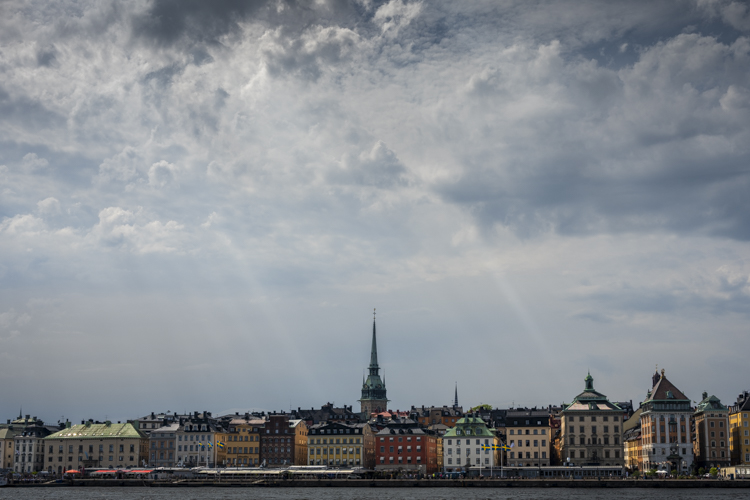
A Photographer’s Walk Through Gamla Stan During Midsummer’s Eve
This is my curated portfolio of favorite images captured in Stockholm’s historic Gamla Stan during Midsummer’s Eve, where medieval streets, long northern golden hour, and urban texture come together.
I was recently invited to visit Stockholm during Midsummer’s Eve, Sweden’s celebration of the summer solstice, and I immediately knew where I wanted to focus my camera: Gamla Stan, the city’s historic old town. With its medieval alleyways, cobbled streets, and colorful 17th-century façades, Gamla Stan offered a welcome shift from the natural landscapes I usually photograph. This post brings together a selection of my favorite images from the trip, along with a few reflections and practical tips for photographers planning their own Scandinavian excursion.
Founded in the 13th century, Gamla Stan sits primarily on Stadsholmen and extends to the nearby islets of Riddarholmen, Helgeandsholmen, and Strömsborg. Its location, where Lake Mälaren meets the Baltic Sea, made it a strategic fortress and trading hub. That layered history is still visible today in the district’s compact street plan, warm-toned buildings, church spires, and narrow lanes that seem designed to reward slow, attentive wandering.
Midsummer’s Eve is one of Sweden’s defining seasonal celebrations and marks the beginning of the summer holiday period. It also arrives with remarkably long daylight hours: around the solstice, the sun rises extremely early and sets late in the evening. For a jet-lagged traveler arriving from Montreal, that schedule created a real photographic challenge. Sunrise was ambitious, sunset was manageable, and waiting for the city lights to glow against the blue hour pushed the limits of both patience and stamina.
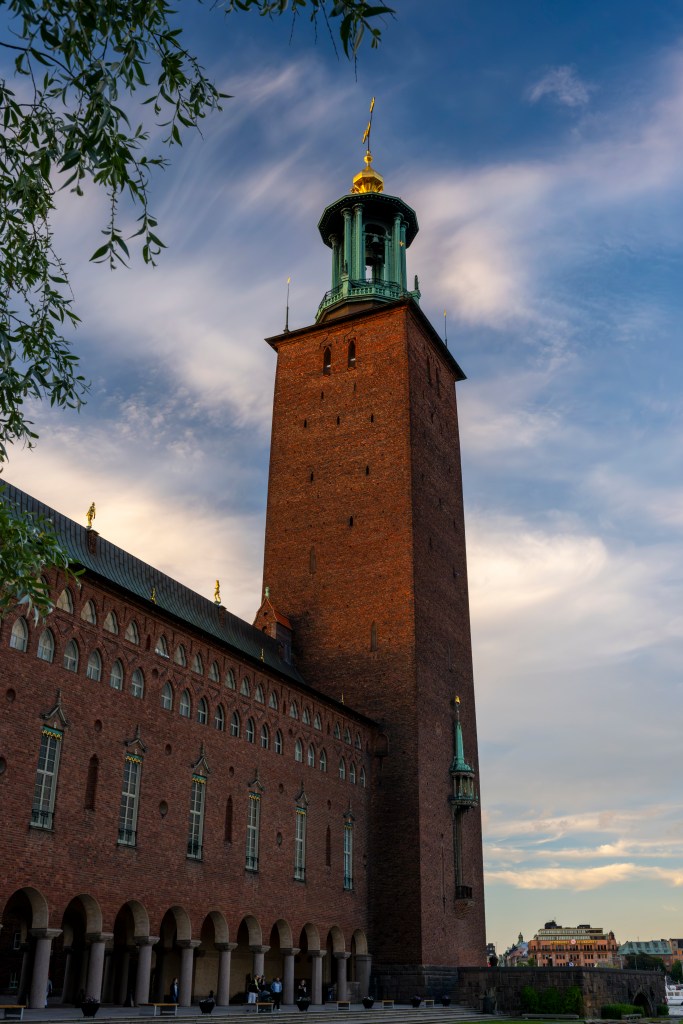
Stockholm City Hall
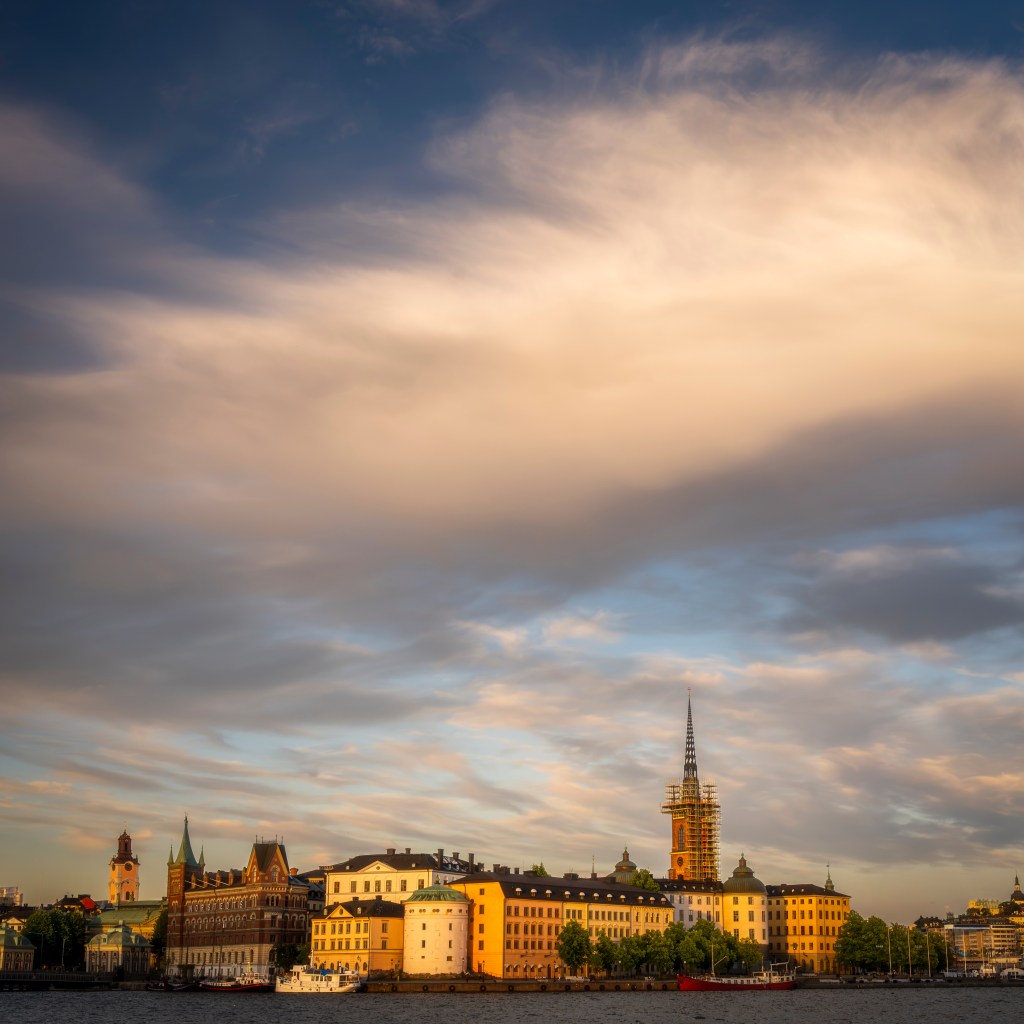
My first destination was Stockholm’s City Hall, designed by Ragnar Östberg and built with millions of red bricks. The building is best known as the venue for the Nobel Prize banquet, but for a photographer it also offers something equally valuable: a superb waterfront perspective. From the northern shore of Lake Mälaren, the view back toward Gamla Stan and Riddarholmen is especially rewarding at sunset, when the warm colors and distant silhouettes begin to separate from the evening sky.

Södermalm
Looking south from Gamla Stan, particularly from Riddarholmen, the view opens toward Södermalm a lively suburb of Stockholm. In the low evening light, the neighborhood’s waterfront buildings take on a quiet glow, creating a classic Stockholm scene: layered architecture, reflective water, and a soft northern sky. It is a reminder that some of the strongest compositions in an old city are not only found in its streets, but also across the water from them.


Stortorget Square
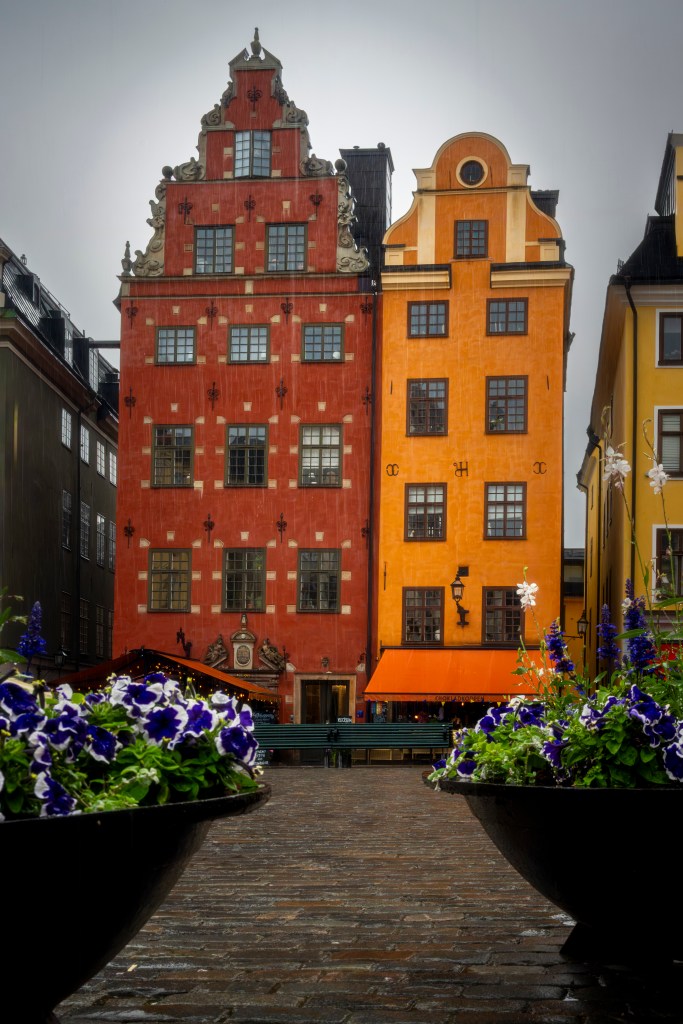
The visual charm of Gamla Stan is perhaps most concentrated in Stortorget, Stockholm’s oldest public square. Framed by colorful merchant houses and surrounded by centuries of history, it is also one of the city’s most photographed locations. The challenge is not finding beauty here; it is finding a composition that feels personal in a place so often photographed.
Crowds are the main obstacle. To give yourself more creative space, arrive early, stay late, or work around changing weather. Golden hour brings softer light and thinner foot traffic, while rainy conditions can clear the square and add reflective texture to the cobblestones. If you are willing to wait, Stortorget rewards patience with moments of calm between the constant movement of visitors.


Enjoying this guide? Subscribe to get new location breakdowns, field notes, and practical shooting tips on my future posts.
The Iron Boy
A short walk from Stortorget leads to Järnpojke, often called the Iron Boy. This small sculpture, only 12 cms tall, by Swedish artist Liss Eriksson is easy to overlook, and at first I was not sure what to make of it. But the longer I stayed with the scene, the more I appreciated its quiet scale and character. Photographing a subject like this requires a different mindset: less about spectacle, more about observation, framing, and finding intimacy in a small urban detail.

Gamla Stan’s True Charm: The Cobbled Alleyways
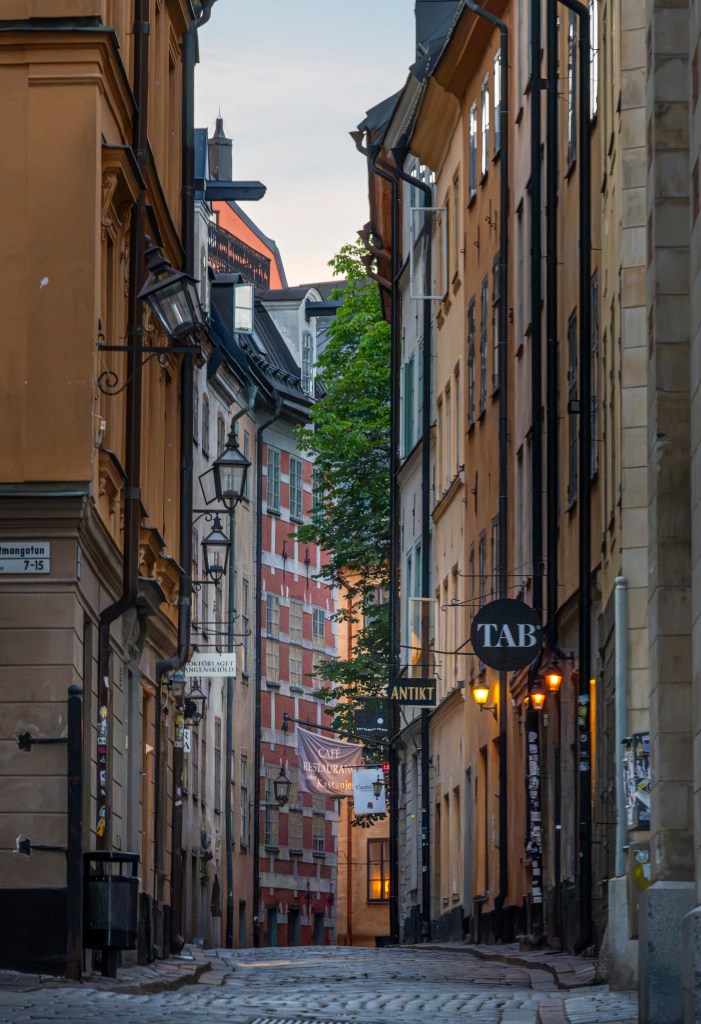
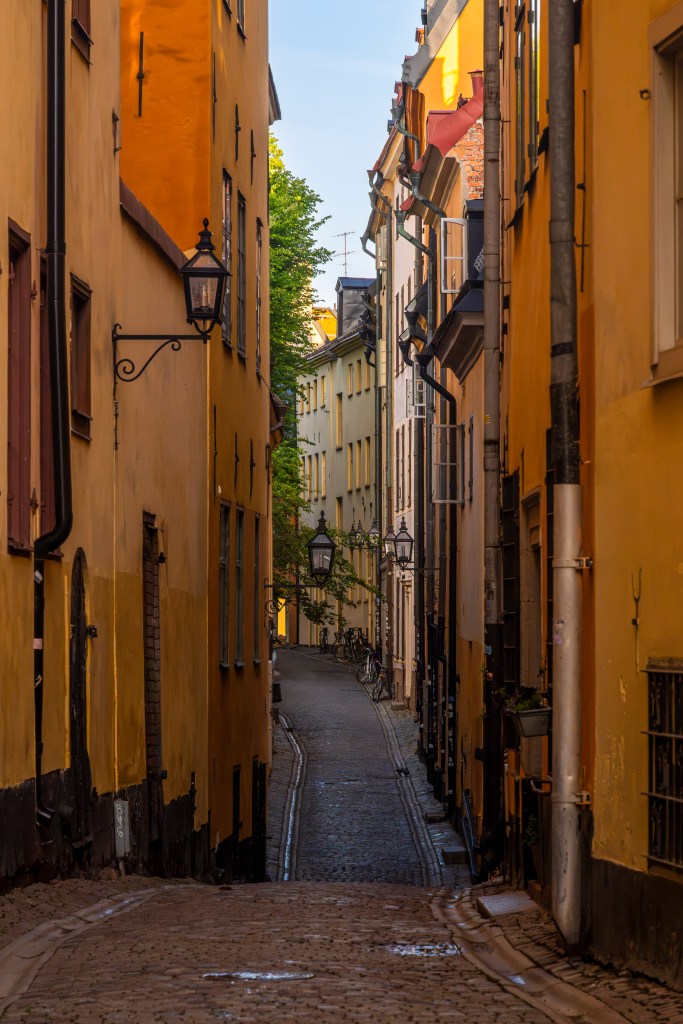
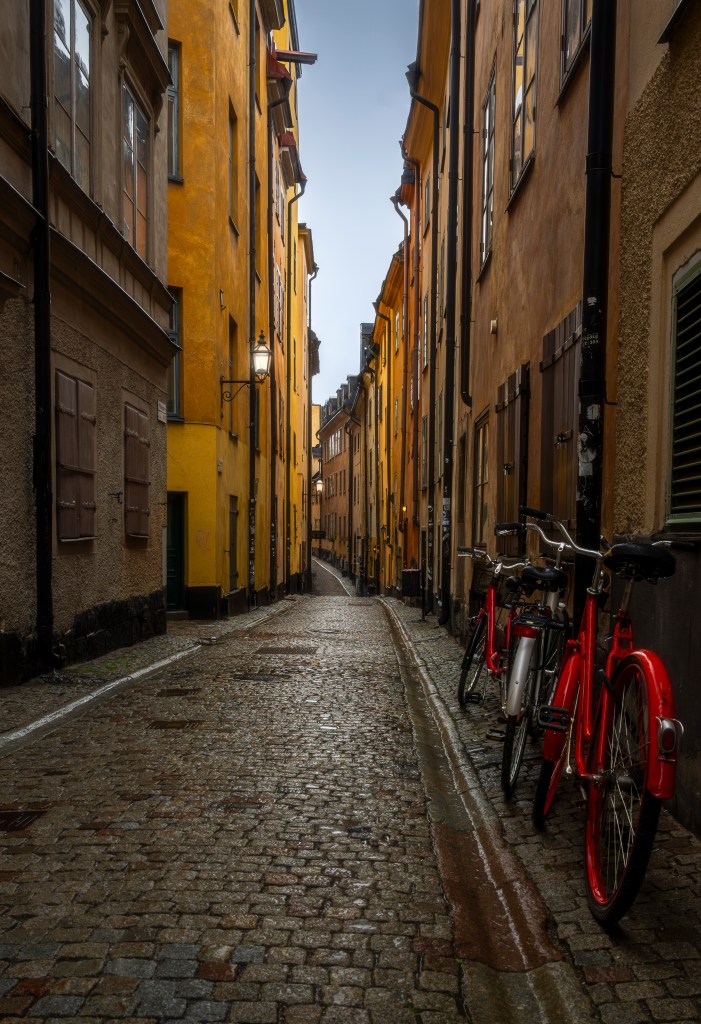
For me, the true photographic heart of Gamla Stan was found in its narrow cobbled alleyways. These passages weave through the old town with a rhythm that changes from one block to the next: a church steeple appearing above a roofline, a bicycle leaning against a textured wall, a sliver of light cutting across worn stone. Some lanes are busy with restaurants and visitors, but with a little patience and curiosity, it is still possible to find quieter corners that feel entirely your own.



Want more guides like this? Subscribe for new locations, composition breakdowns, and field-tested gear notes on my future posts. I publish a new post about once a month – subscribe to make sure you don’t miss it.
Photography Tips for Gamla Stan
If you are planning to photograph Gamla Stan, the following approaches can help you make the most of its light, texture, and atmosphere.
- Manage exposure carefully: Bright skies and shadowed alleyways can create a wide dynamic range. Consider exposure bracketing, especially when shooting toward open sky from a narrow street. Overcast conditions can actually be helpful, softening contrast and preserving detail.
- Embrace rain: Wet cobblestones add depth, shine, and texture, while rain often reduces foot traffic. A polarizer can help control reflections without removing all of the atmosphere from the scene.
- Work the foreground: Low angles can strengthen a composition, especially when the cobblestones, doorways, steps, or street details provide a strong foreground element.
- Time your visit: Early mornings, late evenings, and the hour before sunset usually offer fewer crowds and more atmospheric light. During Midsummer, remember that the long daylight can stretch your shooting window much later than expected.
Final Thoughts
Whenever I visit a new place I always wonder if I will ever return? And if I do return, what would I do differently, especially without obligations or restrictions? Stockholm as a destination was fantastic, especially in mid-summer (I can’t speak for conditions in January). The people, the museums, the food were all top-notch. If I were to return, I think I would time it for the month of September for a couple of reasons. Sunrise and sunset are at much more reasonable times and the tourist crowds have died down tremendously. Perhaps even the colors of the trees have started changing, making for even more compelling colors.
Hope you enjoyed this post – if you did, don’t forget to subscribe.
Have you been to Stockholm? Was this post helpful and useful? I would love to hear your comments and feedback.
More City Guides
If you are interested in more city guides, check out these posts;
Quebec City and Charlevoix
Or you can check out all of my posts, organized by location on my Travel Guides.
My Gallery
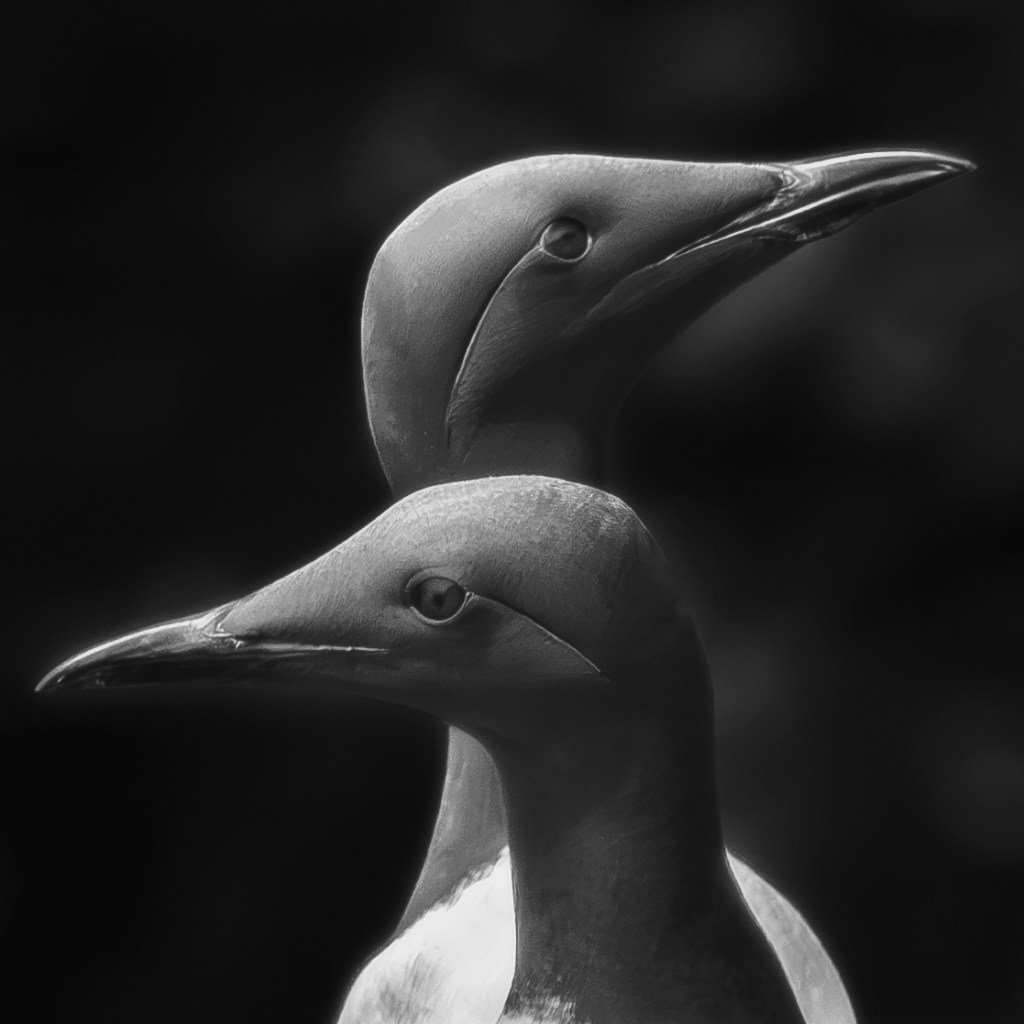
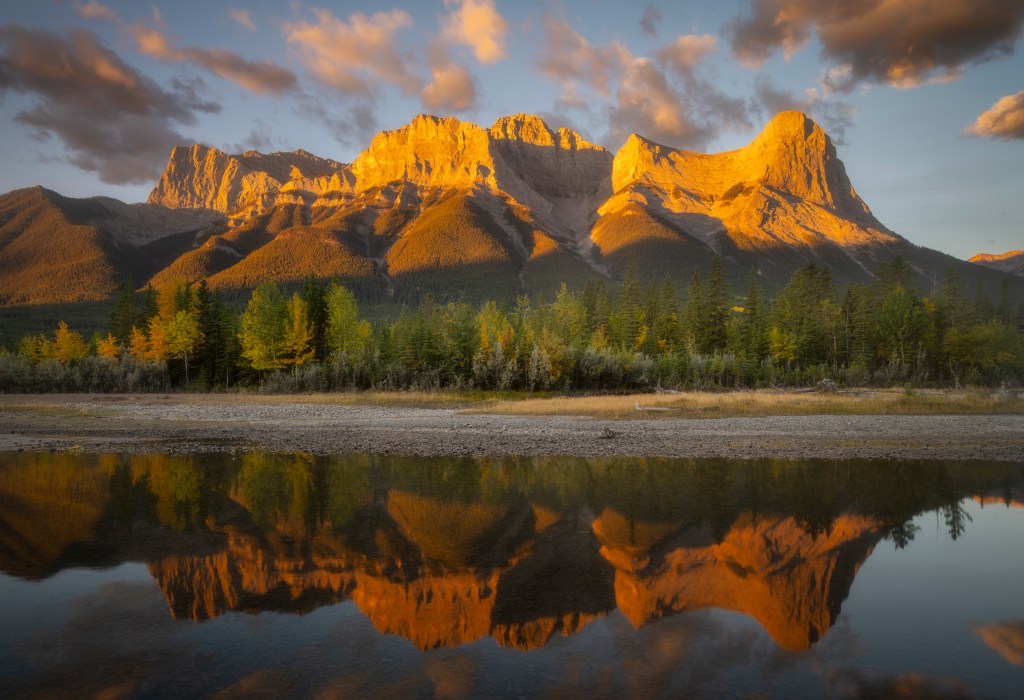
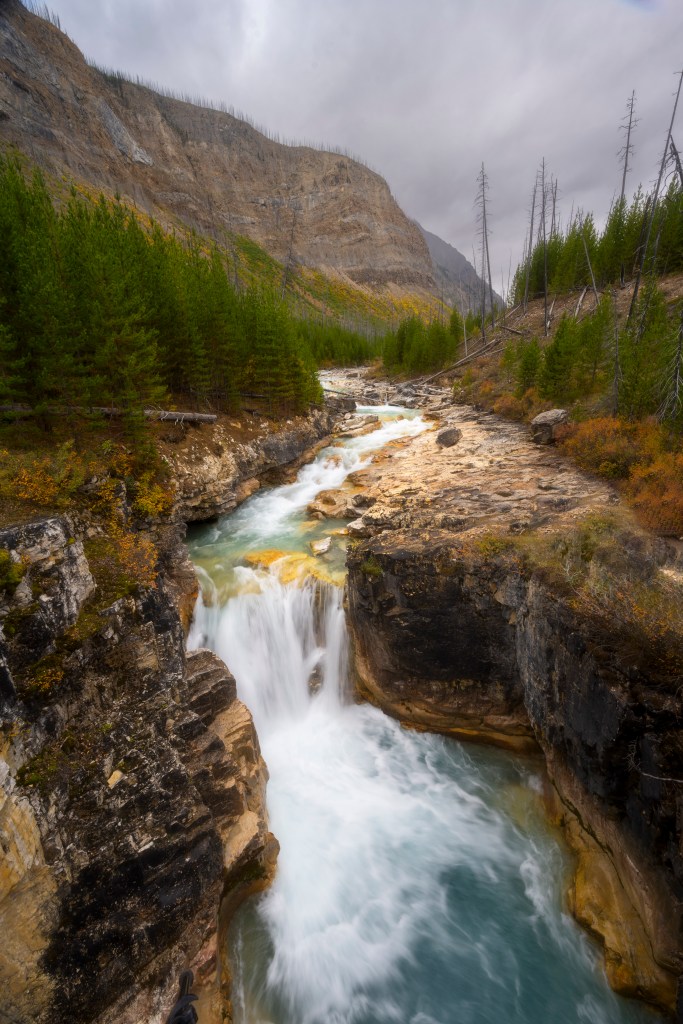
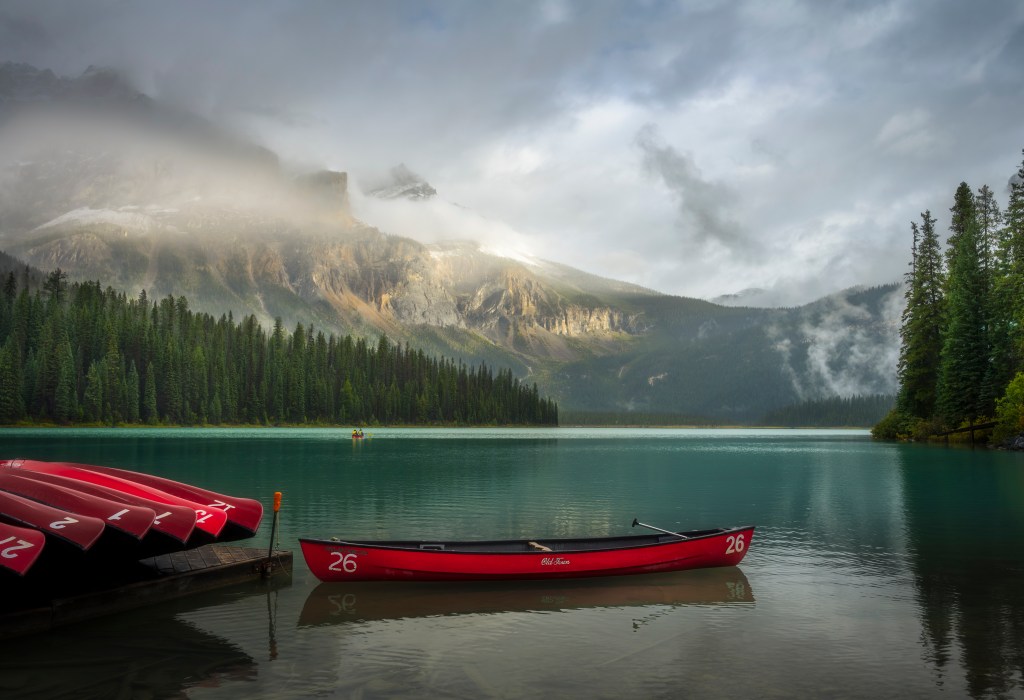
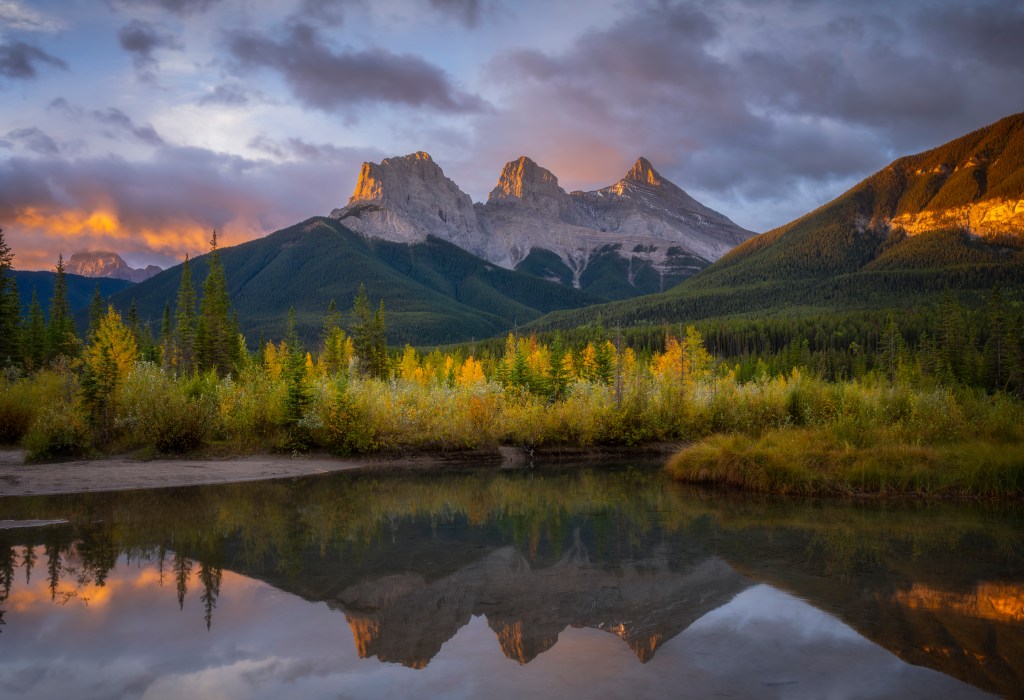
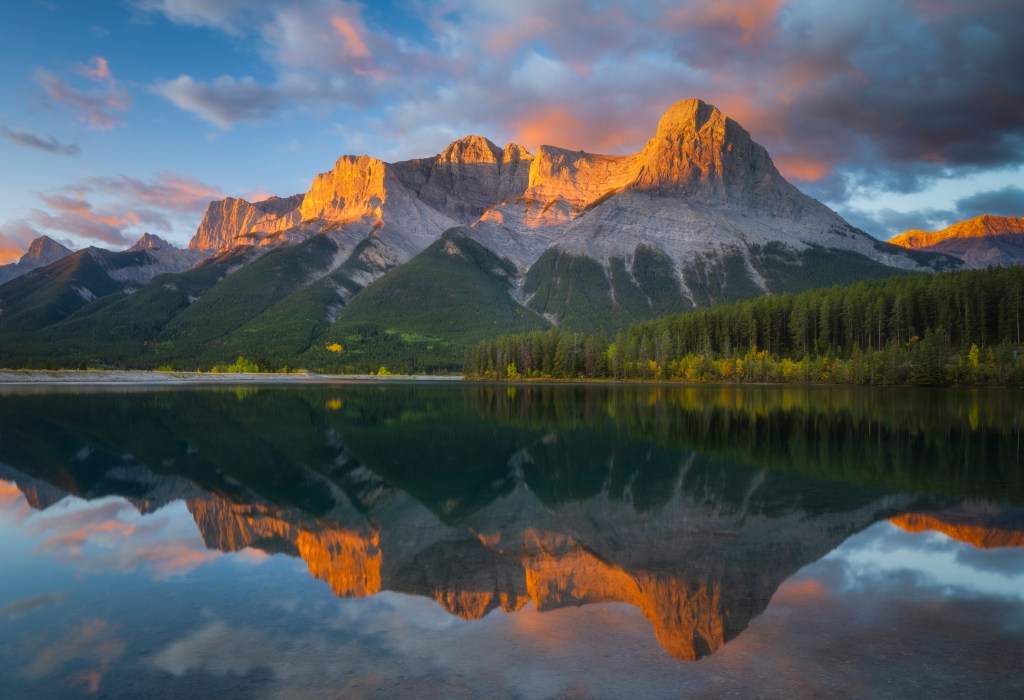
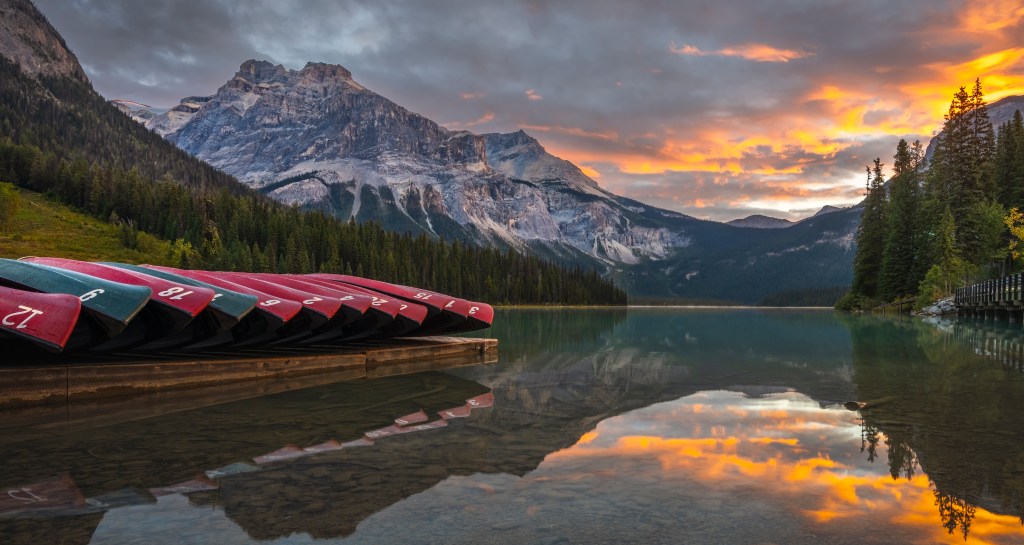
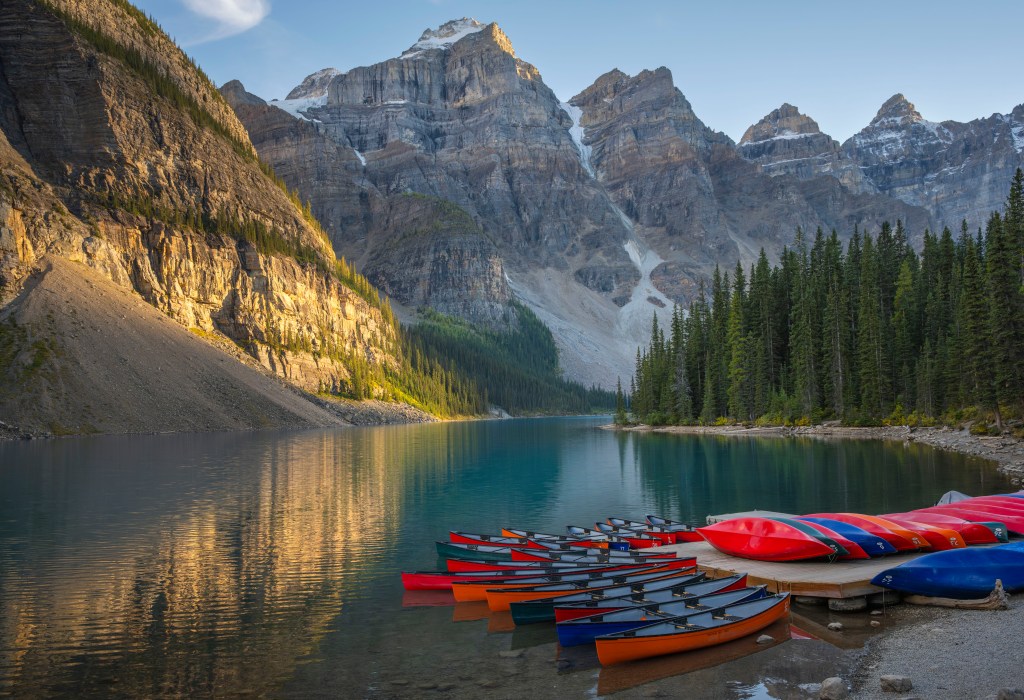
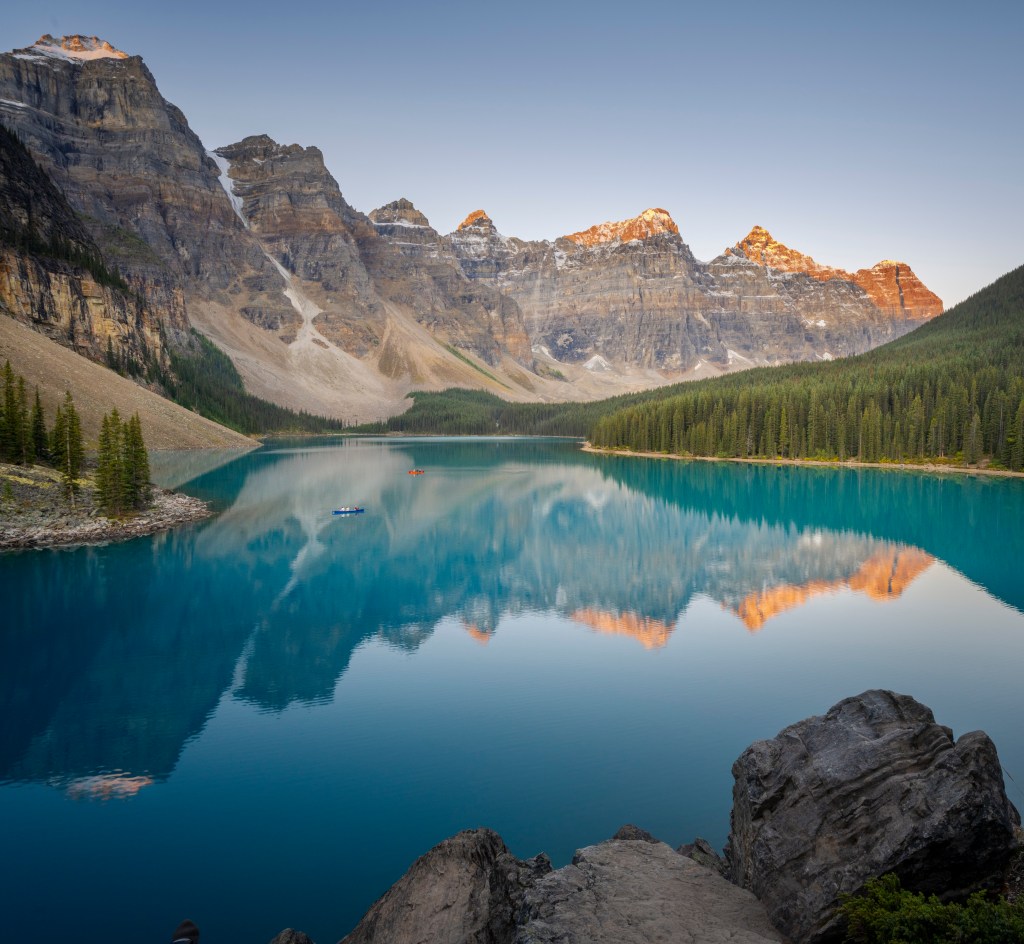
For more great photos of the Rockies, check out my Rocky Mountain Collection here.
I have also partnered with Pictorem, a professional printer who can ship prints anywhere in the world. They can print on a variety of media including metal, acrylic, paper and canvas. They offer a money back guarantee if you are not completely satisfied. If you see an image which you like and it is not available on Pictorem, just contact me here.
Here are some of my favorites.

To get notifications of my future posts subscribe here.


One thought on “Under Scandinavian Skies”