
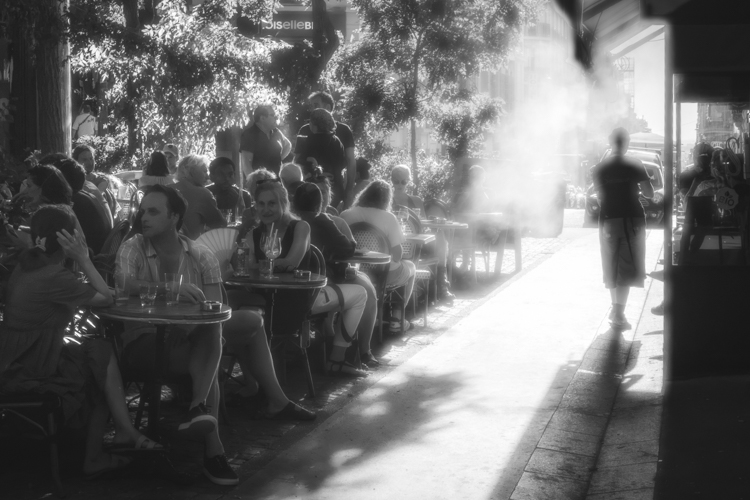
A Summer Heat Wave Photography Tour Through Paris
Photographing Paris during an extreme summer heat wave was never going to be easy. But with no shot list, no fixed agenda, and only a loose intention to follow the light, I set out to capture what it felt like to move through the city when the temperatures soared to 42 degrees.
Europe has experienced an increasing number of intense heat waves in recent years, and Paris can feel especially unforgiving when the temperature climbs. I spent the final week of June in the City of Light during one of those spells. Mornings were manageable, afternoons became museum time by necessity, and evenings—though still hot—offered just enough relief for slow walks through the streets.
I have worked through all kinds of conditions in pursuit of portfolio images: the finger-freezing bite of winter, the disorienting force of a snowstorm, and the sudden drenching of a summer thunderstorm. Heat, however, is different. Harsh light, strong sun, and thick humidity rarely encourage creativity. But when you are in an exciting city with limited time, you work with the weather you are given. So, with a hat, an umbrella, and plenty of water, I headed out to photograph Paris in the heat.
The Streets of Paris
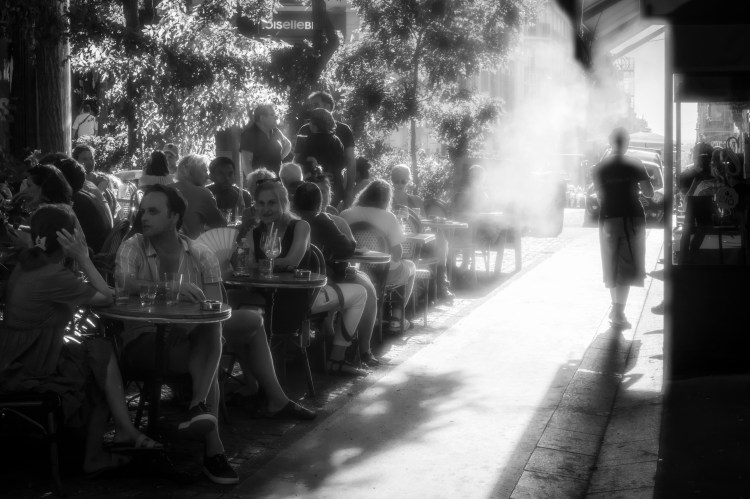
New cities fascinate me because they reveal so much about the people who have shaped them over time. Culture appears in the small details: how people dress, how they gather at cafés, how they linger over a late-afternoon drink, and how they move through the city. It is also written into the architecture—the places people live, work, eat, and pass through every day.
Beyond the museums and major landmarks, Paris is a city of neighbourhoods. A favourite restaurant, a quiet park, a café stop for a quick reset, or an apéritif taken slowly from a streetside table all contribute to the rhythm of the place. Paris is, by nature, lived in public. That made it the perfect setting to step outside my usual photographic comfort zone and try to capture street life as it unfolded. Was I successful? Let’s say street photography will require much more practice—but I did come away with a few favourites.
Featured images
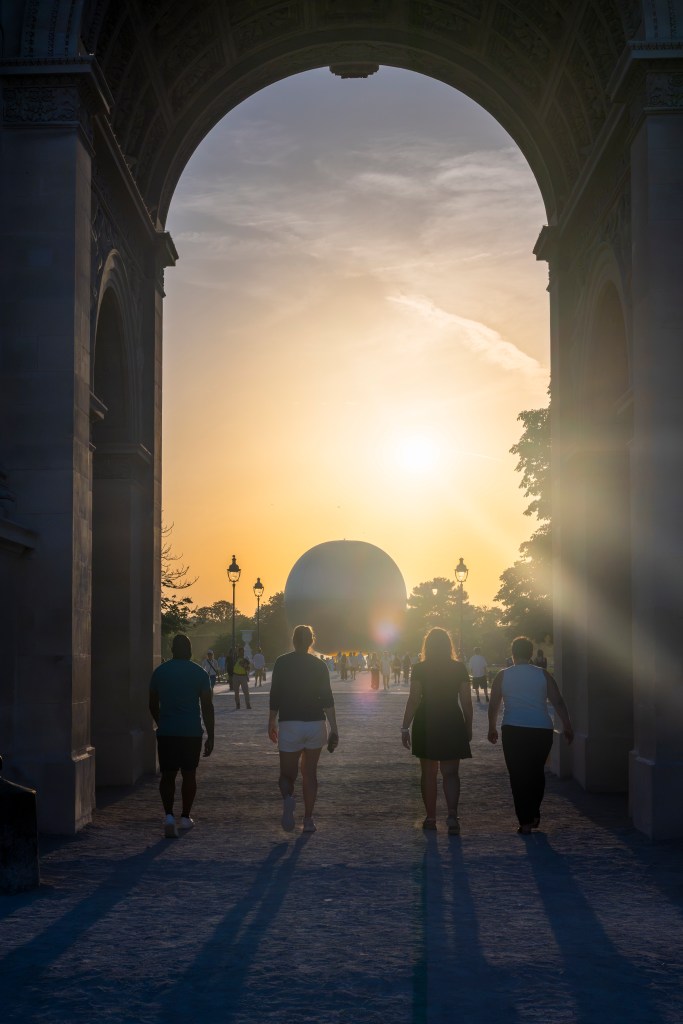
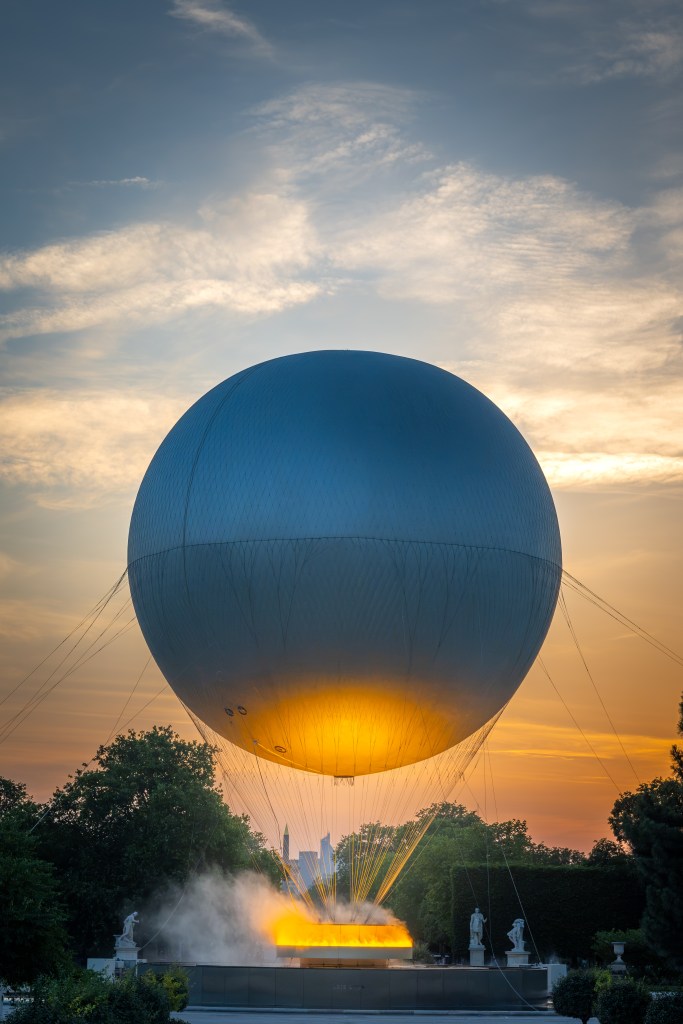
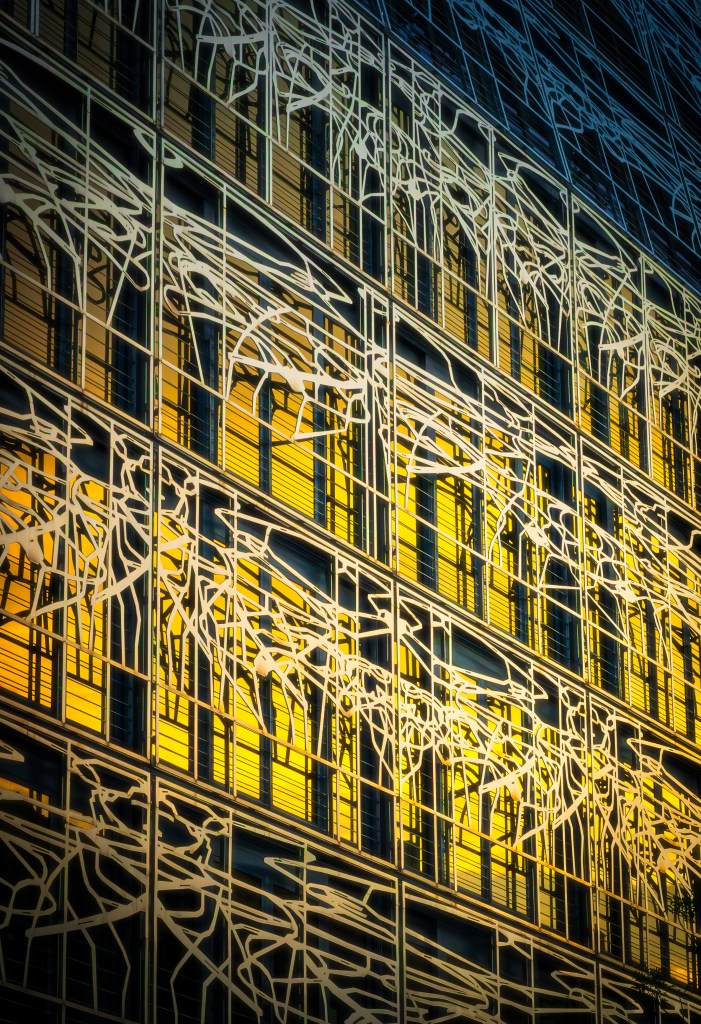
Musée du Louvre
Located in central Paris, the Louvre is one of the city’s essential landmarks. Housed in the former Louvre Palace, whose origins trace back to the 12th century, the museum is home to some of the world’s most recognizable works of art, including the Mona Lisa and the Venus de Milo. For this visit, however, my attention was less on the collection and more on the architecture.
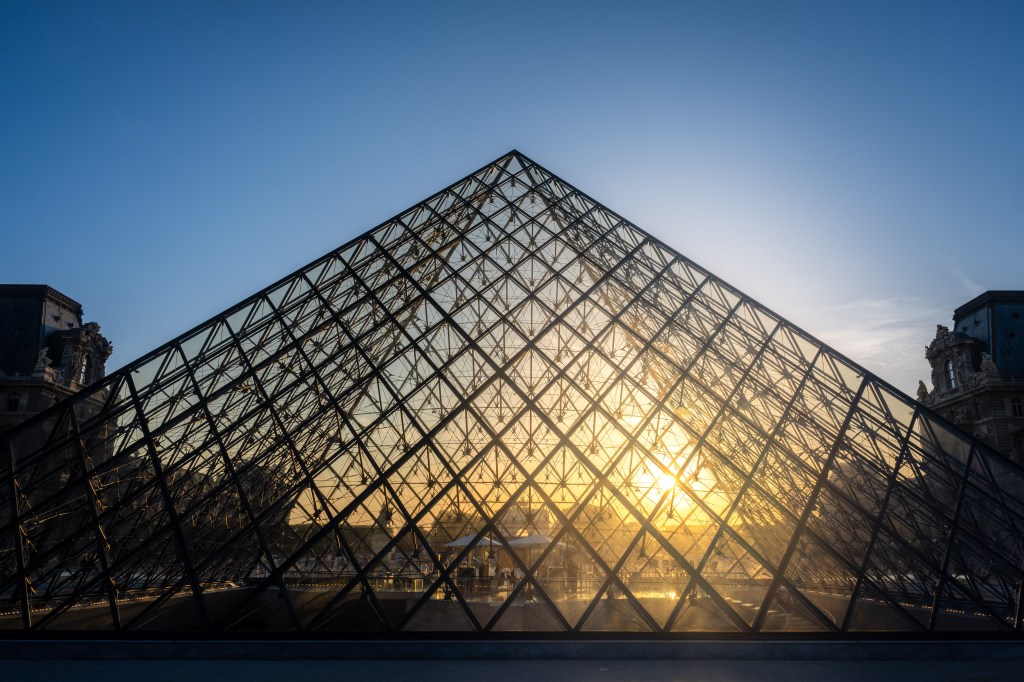
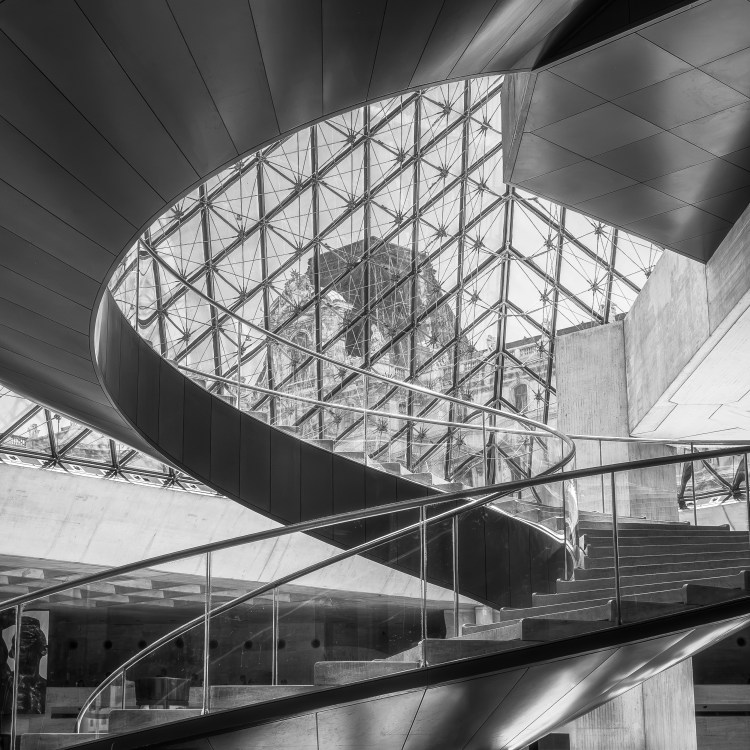
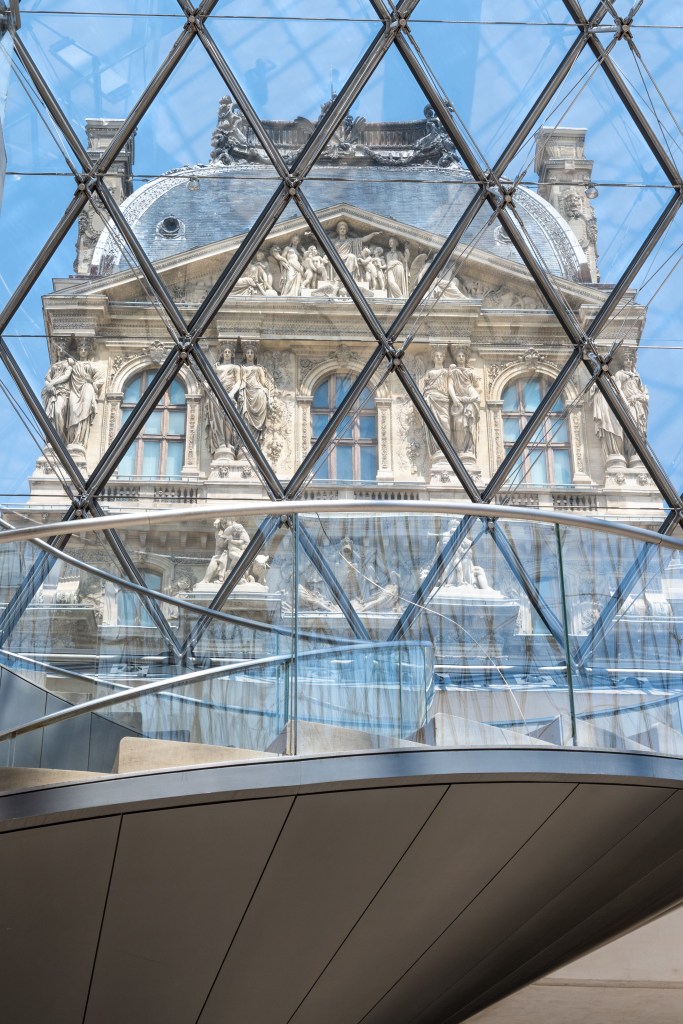
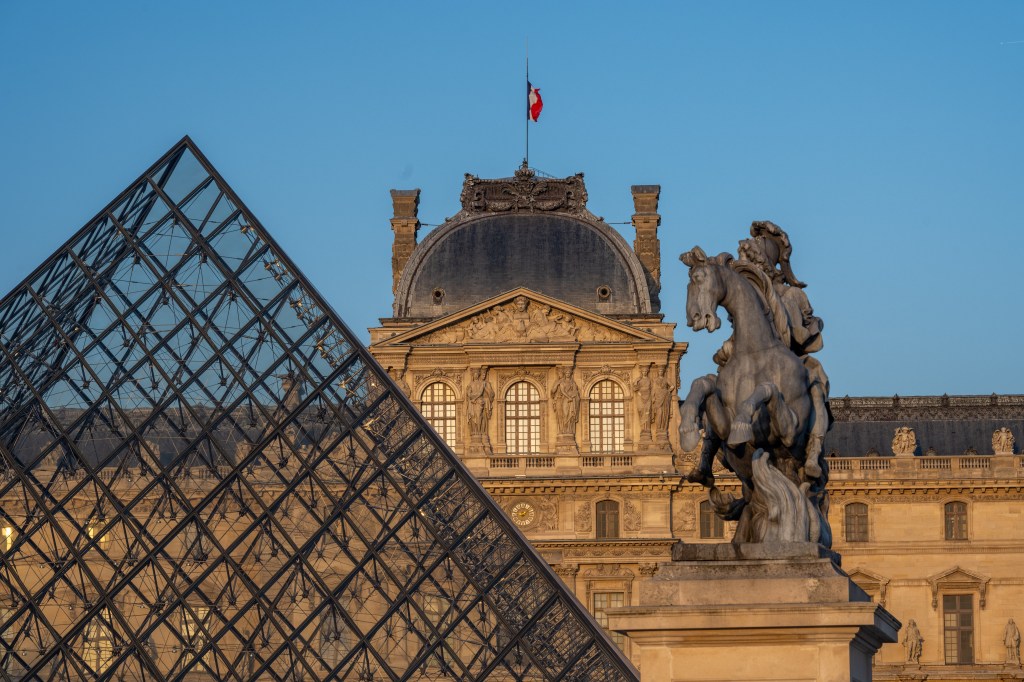
The Louvre’s historic façades establish a formal, classical presence in the heart of the city. The late-1980s redesign introduced a striking counterpoint: the glass pyramid and subterranean entrance. Once controversial, the pyramid has become inseparable from the modern identity of the museum.
For a photographer, that contrast is irresistible. Neoclassical stone, sharp glass geometry, reflections, crowds, and open courtyard space all combine into a rich architectural playground. I spent most of my time working different angles of the pyramid with the Louvre as a backdrop. My favourite composition came from inside the museum, looking through the staircase, with the Louvre tower anchoring the frame in the distance.
Featured images
Le Tour Eiffel
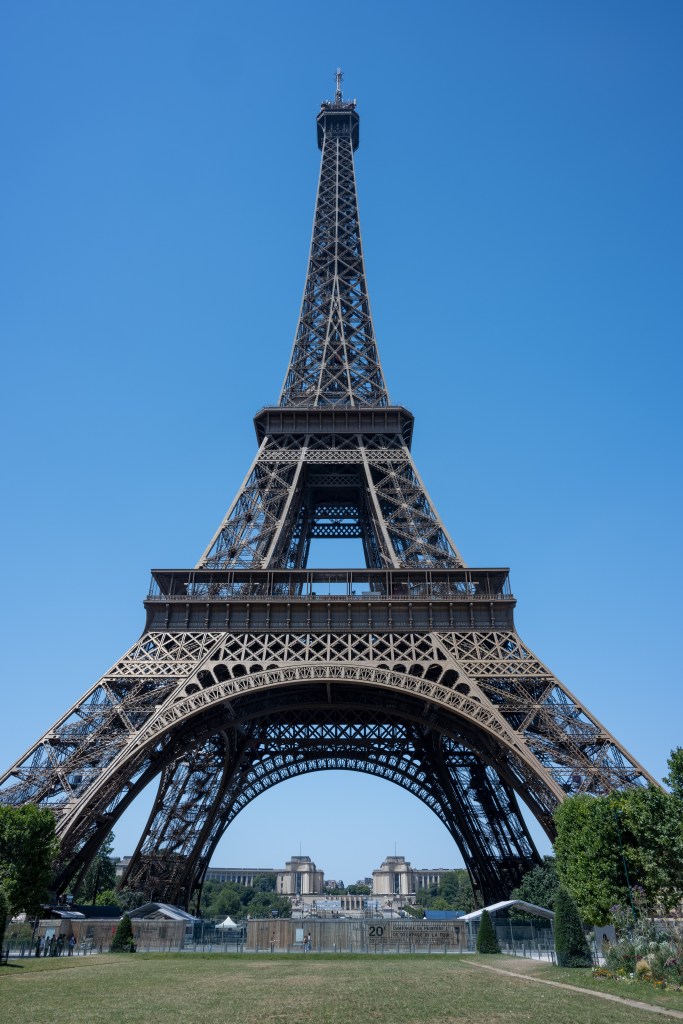
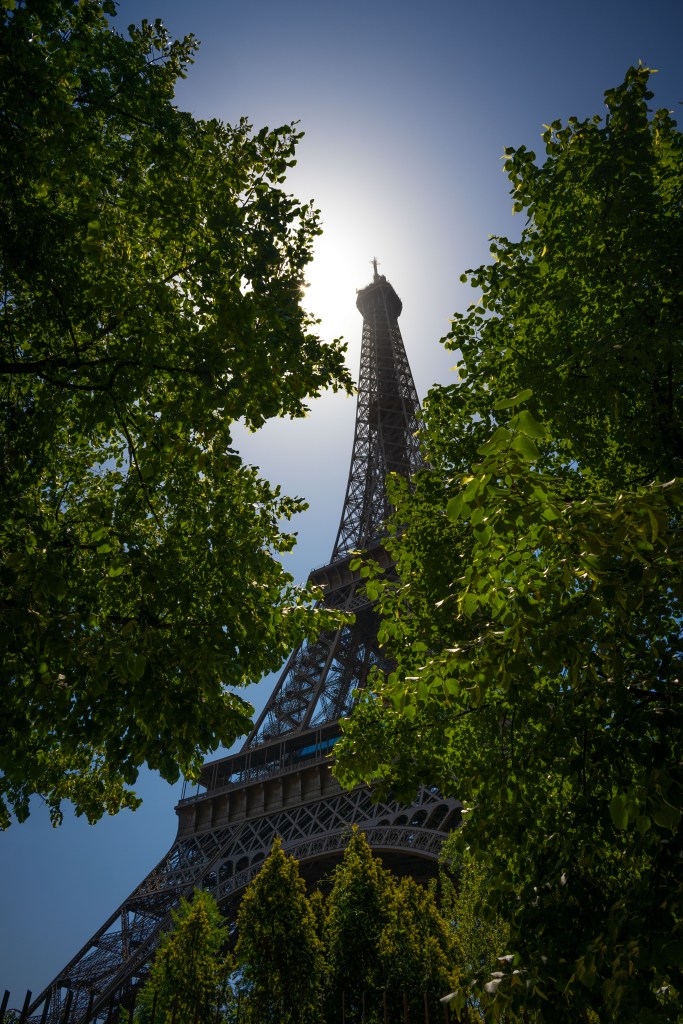
Once dismissed by some as a blemish on the Parisian skyline—and originally intended to be temporary after the 1889 World’s Fair—the Eiffel Tower has become the defining symbol of the city. It is iconic, familiar, and photographed endlessly, which makes creating a fresh image of it both exciting and difficult.
A classic sunrise composition is possible from the Esplanade du Trocadéro, northwest of the tower across the Seine. In March and October, the sun will rise in close alignment with the tower, and sunrise occurs at a far more forgiving time than than in midsummer. With the right cloud conditions, those months offer the possibility of softer light, more comfortable conditions, and a cleaner frame before the crowds build.
Featured images
Enjoying this guide? Subscribe to get new location breakdowns, field notes, and practical shooting tips on my future posts.
The Musée d’Orsay
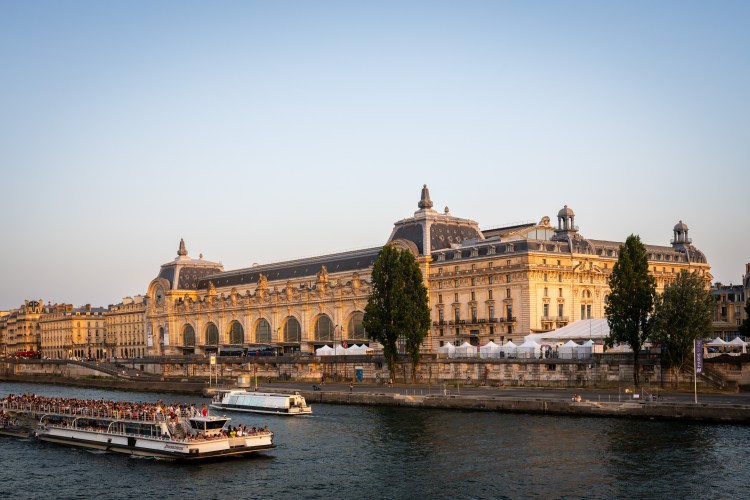
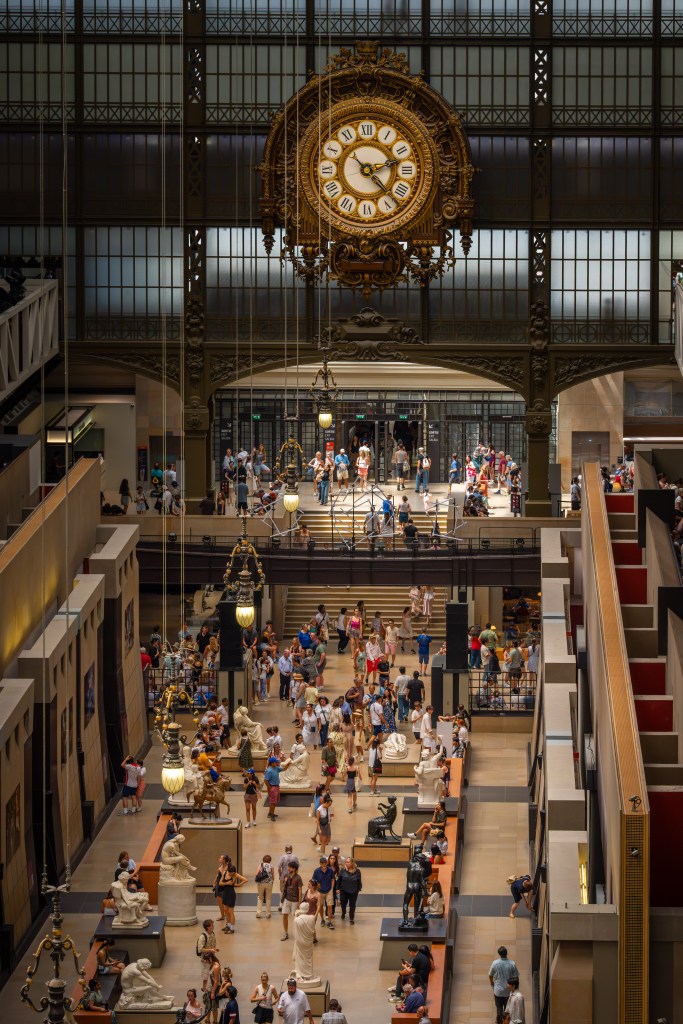
Housed in the former Gare d’Orsay, a railway station built at the turn of the 20th century, the Musée d’Orsay is best known for its extraordinary collection of Impressionist and Post-Impressionist art. Yet for me, the building itself was just as compelling as the work on display.
In the 1960s, when many historic buildings were being replaced by modernist architecture, the station was at risk of demolition. Thankfully, it was saved and later transformed into a museum. The result is one of Paris’s great architectural treasures.
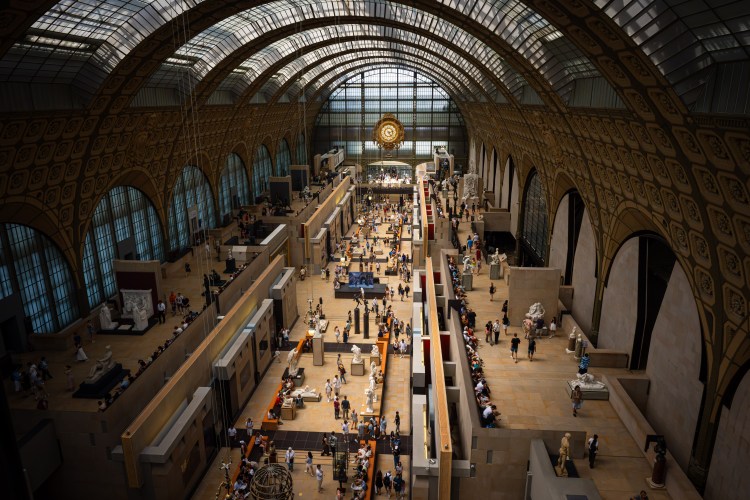
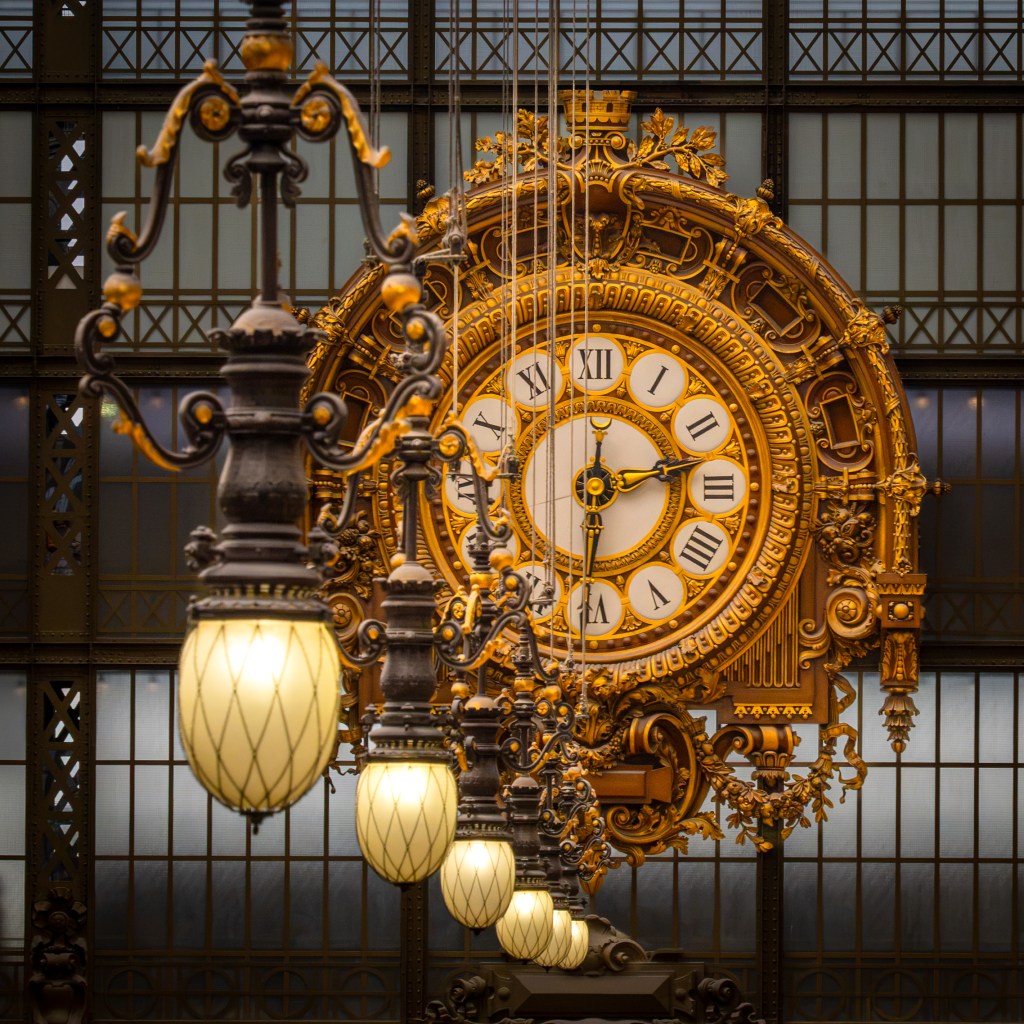
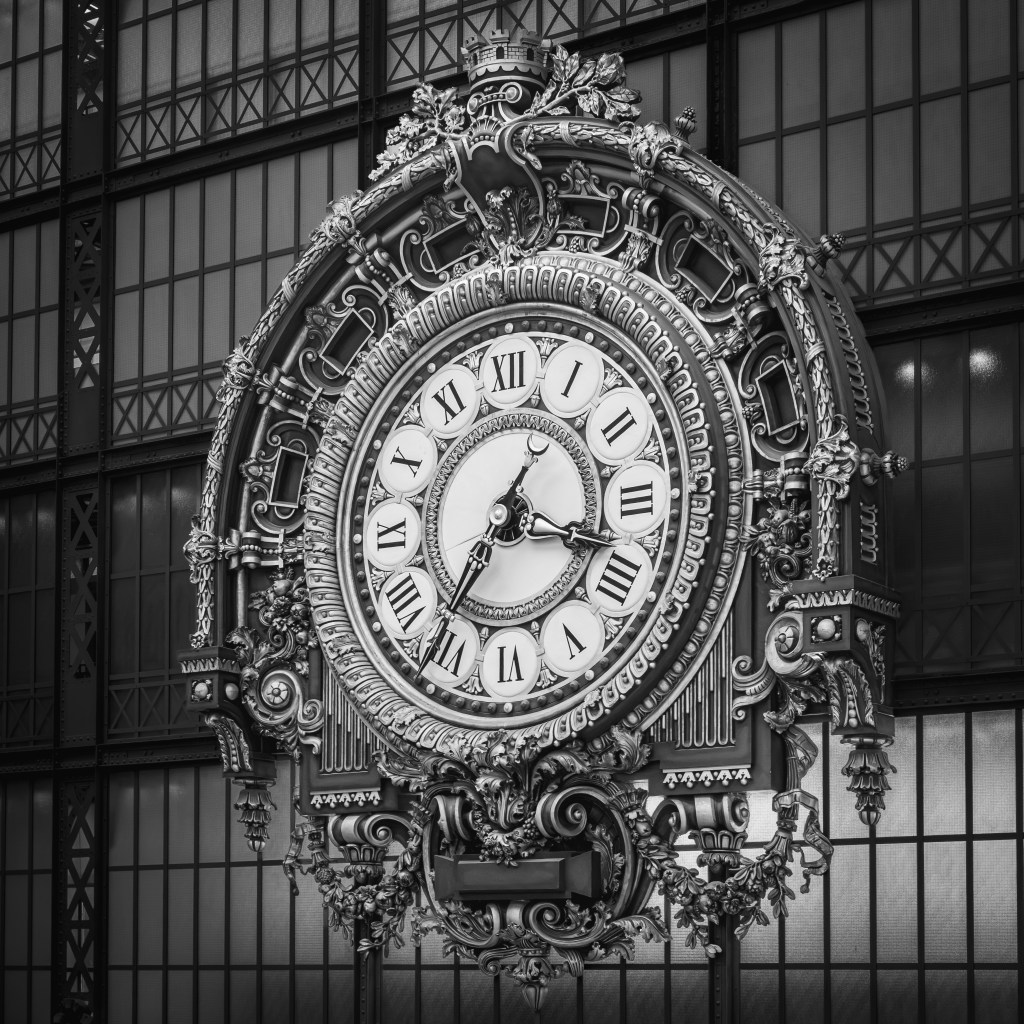
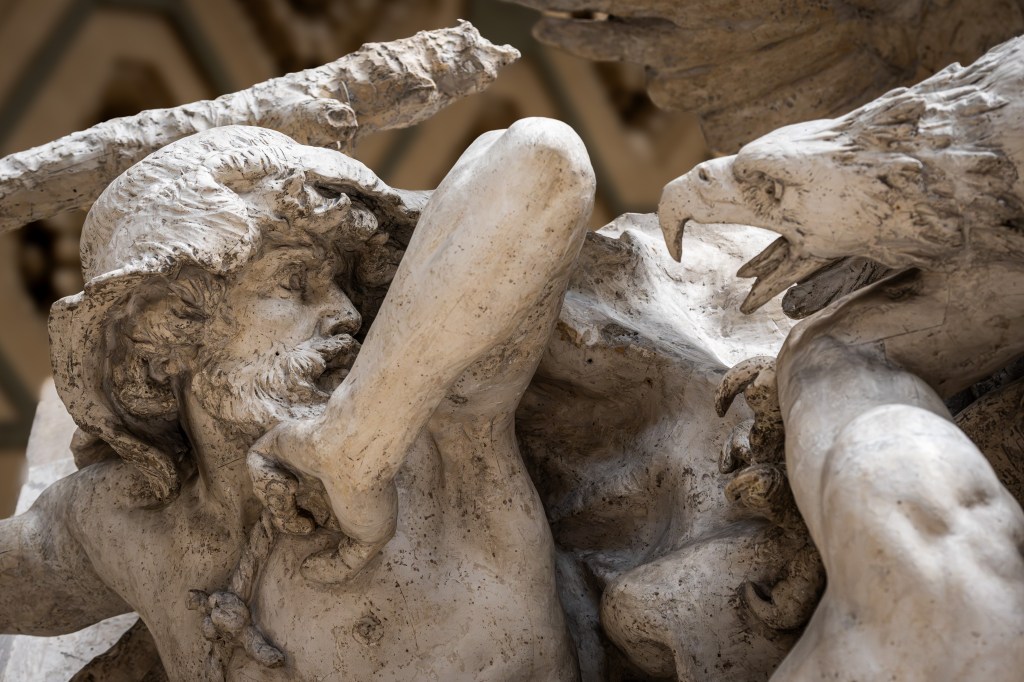
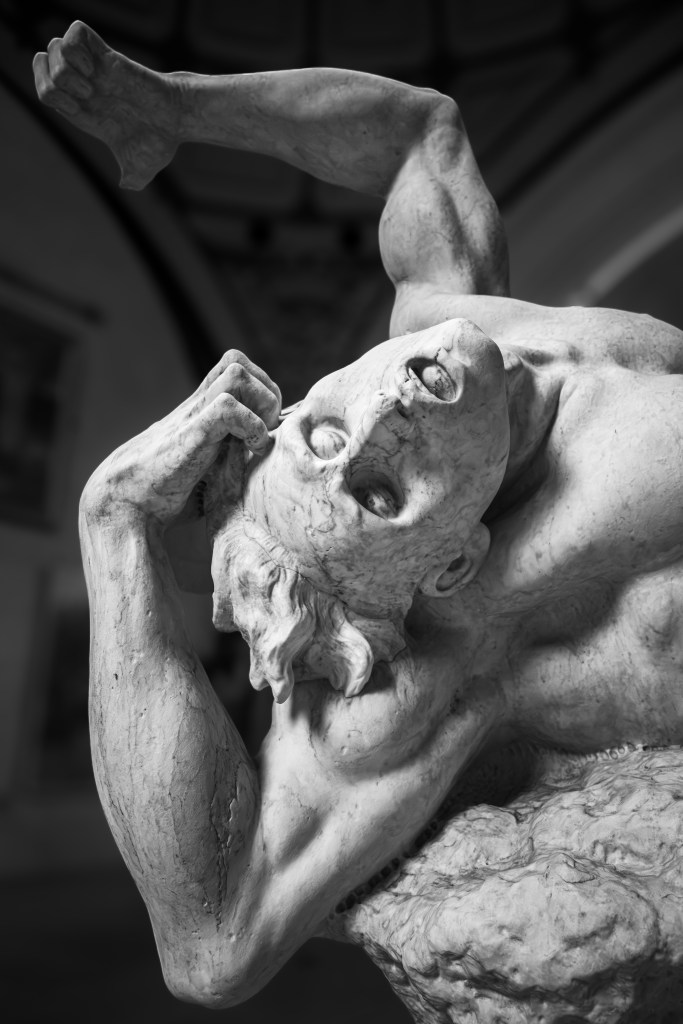
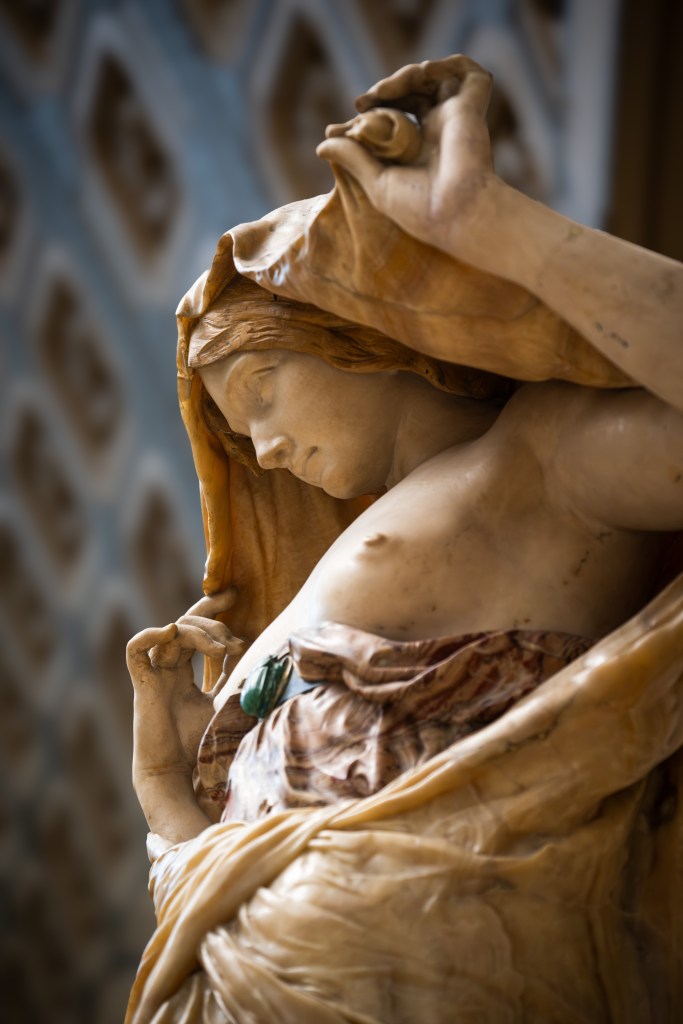
I was struck by the scale and elegance of the main hall: the vaulted glass ceiling, the long central axis, and the ornate clock that dominates one end of the space. It is a location where architecture and sculpture continually interact, offering countless opportunities for strong compositions, layered frames, and studies in light.
Featured images:
Final Thoughts
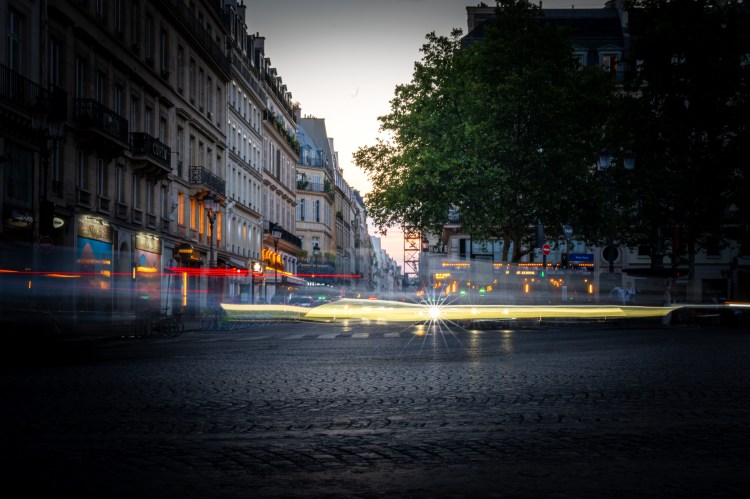
Whenever I visit a new place, I wonder whether I will return—and, if I do, what would I do differently. For Paris, the answer is clear: I would avoid the summer months. The city is crowded, the heat is intense, and the best light arrives either very early or very late. March and October seem far more appealing, especially for sunrise work from the Esplanade du Trocadéro. October would likely be my preference, with cooler weather and the added possibility of autumn colour. I would also welcome rainy conditions, when wet streets reflect the city lights and Paris takes on an entirely different photographic character.
Hope you enjoyed this post – if you did, don’t forget to subscribe.
Have you been to Paris? Was this post helpful and useful? I would love to hear your comments and feedback.
More City Guides
If you are interested in more city guides, check out these posts;
Exploring Stockholm’s Old – Town – Gamla Stan
A Photographic Guide to Barcelona
Or you can check out all of my posts, organized by location on my Travel Guides.
My Gallery
For more great photos of the Rockies, check out my Rocky Mountain Collection here.
I have also partnered with Pictorem, a professional printer who can ship prints anywhere in the world. They can print on a variety of media including metal, acrylic, paper and canvas. They offer a money back guarantee if you are not completely satisfied. If you see an image which you like and it is not available on Pictorem, just contact me here.
Here are some of my favorites.

To get notifications of my future posts subscribe here.


One thought on “Feeling the Parisian Heat”
Nice photos. We also have been in Paris this summer with hot and sunny weather (but better than rainy days)
LikeLike